Hormuz Shockwave: Asia’s Crude and LNG Lifeline Faces a Routing and Freight Reset
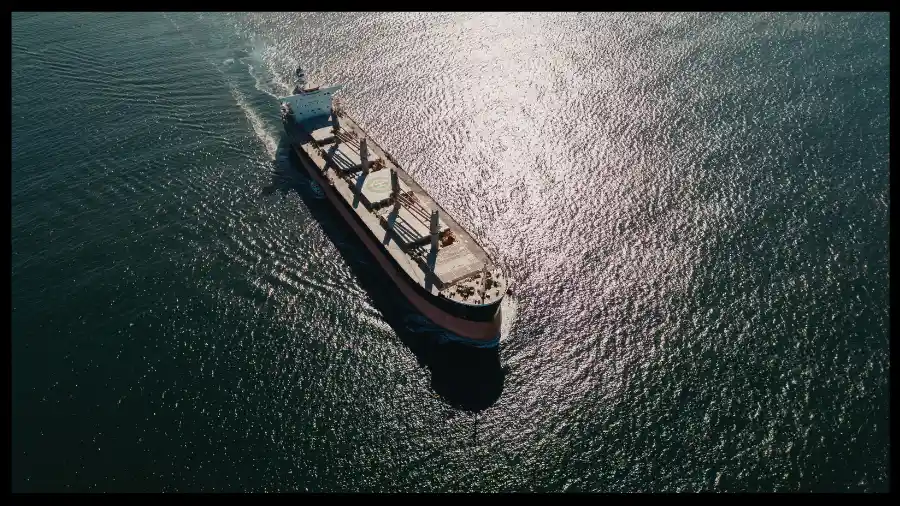
A fast-moving Strait of Hormuz disruption is now showing up across the full energy shipping stack: multiple operators are pausing crossings, marine war-risk cover is being pulled back with cancellations taking effect March 5, and pricing benchmarks are being forced to adapt as physical nominations become harder to verify when ships bunch up or stop. The immediate Asia-facing risk is a dual hit, crude plus LNG, because Gulf exports and Qatar LNG rely on the same narrow transit, and the knock-on tends to land first in freight, insurance terms, port bunching, and schedule reliability before it becomes a true supply deficit.
Subscribe to the Ship Universe Weekly Newsletter
Click here for 30 second summary ▶
Hormuz disruption tightens Asia’s crude and LNG supply chain at the same time
The Strait of Hormuz is experiencing a disruption that is already translating into shipping friction: crossing pauses, ship bunching near the chokepoint, and war-risk terms tightening. That matters for Asia because Gulf crude and Qatar-linked LNG flows are exposed to the same gate.
- Fast signal
Operator pauses and reduced transits can turn into arrival bunching, missed windows, and slower discharge sequencing across Asia import terminals. - The LNG twist
LNG is less flexible than crude on short notice, which makes timing and fleet availability more sensitive when a chokepoint is constrained. - First-order market impact
Freight and insurance reprice immediately, then schedule reliability and cargo nomination behavior adapt.
| Impact lane | Current signal | Crude shipping implication | LNG shipping implication | Freight and insurance knock-on | Early watchpoints |
|---|---|---|---|---|---|
| Transit behavior |
Crossings slow or pause when operators shift to “shelter first” posture, which creates bunching on both sides of the chokepoint.
Routing friction
|
Crude liftings can be delayed or re-staged. Some barrels reroute to alternate load points, but timing risk rises quickly when schedules slip. | LNG cargoes are timing-sensitive. Delays can cascade through terminal slotting and downstream delivery windows. | Freight spikes first, then voyage clauses tighten around deviation rights and force majeure language. | Ship queue size, AIS loitering patterns, and any official corridor guidance that changes traffic rules. |
| Insurance posture |
War-risk cover can be cancelled or repriced, and owners may require pre-funded premiums or tighter guarantees before accepting voyages.
Cover and cost
|
VLCC and Suezmax voyage math changes fast when premiums jump, especially on Gulf to Asia lanes. | LNG owners and charterers face a compliance and cover confirmation cycle that can hold a ship at anchor while paperwork catches up. | Rate shock is amplified by risk premium, not just ton-mile changes. Owners gain pricing power when acceptance criteria tighten. | Effective dates for cancellations, any carve-outs for specific waters, and new underwriting exclusions. |
| Benchmark and pricing mechanics |
When nominations and safe delivery paths become uncertain, market pricing processes can adjust the eligible delivery basis for assessments.
Market mechanics
|
Differential volatility rises for Gulf crudes if the market is unsure which cargoes can be reliably delivered. | LNG spot and prompt pricing can react sharply when flexible cargoes stop being flexible at the transit level. | Freight becomes a larger component of delivered cost. Buyers shift to “delivered certainty” over “lowest headline price.” | Any changes to assessment eligibility, delivery ranges, or fallback methodology used by pricing providers. |
| Port and terminal congestion |
Missed arrivals can create discharge bunching in Asia, while delayed departures can congest Gulf load windows.
Port rhythm
|
Crude import terminals can see irregular arrival clusters, which creates storage and berth-window stress. | LNG terminals depend on strict slot coordination. Delayed vessels can force reslotting and downstream schedule adjustments. | Demurrage and waiting time become the silent cost driver, especially when multiple ships arrive at once. | Berth lineup changes, terminal advisories, and any visible rise in anchorage wait times. |
| Alternative supply routing |
Buyers look for barrels and cargoes that avoid chokepoint exposure, which shifts ton-mile patterns and fleet positioning.
Substitution
|
Pull increases for Atlantic Basin crude into Asia when Gulf liftings are uncertain, depending on price and availability. | LNG substitution is harder near-term. Flex cargoes may reroute, but system constraints show up quickly. | Longer routes can tighten effective vessel supply, reinforcing rate strength and ballast reposition dislocations. | Trade flow shifts, ballast directions, and whether alternative cargoes are actually available at scale. |
| Duration risk |
The longer disruption lasts, the more the impact shifts from risk premium into physical delivery timing and inventory drawdown behavior.
Time factor
|
Refiners adjust runs and crude slate decisions when arrival certainty falls, not just when price rises. | Gas buyers may lean on storage and alternate pipeline options, but cargo timing becomes the limiting factor first. | Short disruptions mainly hit freight and insurance. Longer disruptions pull forward broader supply chain stress. | Official navigation posture, insurer updates, and whether operators resume crossings at scale or only selectively. |
Disruptions at a chokepoint tend to create the same sequence: acceptance criteria tighten, premiums and freight jump, ships bunch, terminals reslot, and only then do buyers start treating delays as a supply problem. This planner is a compact way to translate the risk into operational expectations for the next 7 to 21 days.
As this plays out, the decision point for most operators will be less about headline prices and more about execution certainty: which voyages can be insured cleanly, which ships can be cleared to transit without delays, and which discharge schedules can absorb late arrivals without turning into week-long bunching. If the corridor remains stressed, the market response usually shifts from a pure risk premium into a service reliability problem, and that is where Asia feels the pinch first through tighter berth windows, higher waiting time, and freight that stays elevated even after the initial shock fades.
We welcome your feedback, suggestions, corrections, and ideas for enhancements. Please click here to get in touch.