Hormuz Is Open in Principle yet Still Fully Constrained
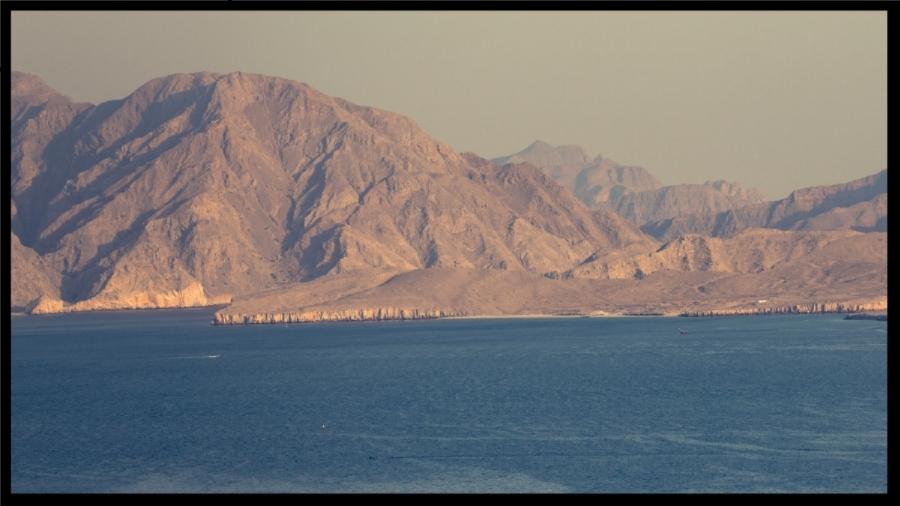
The Strait of Hormuz remains functionally constrained even after the ceasefire because the political pause has not yet restored normal commercial confidence, traffic density, or risk pricing. Major carriers and insurers are still treating the route as a restricted operating environment rather than a fully reopened sea lane. Maersk says the truce may create some transit opportunities but still does not provide “full maritime certainty,” while Hapag-Lloyd says it would take six to eight weeks to return to normal operations even if stability holds. Estimates of the backlog vary by source, but they all point to a system that is still badly jammed: around 1,000 ships remain stuck in the region, while the Wall Street Journal reported more than 425 oil and fuel tankers and nearly 20 LNG vessels still stranded, with overall daily traffic still far below prewar norms. The commercial picture is therefore one of partial access, selective movement, elevated war-risk costs, and a clearing process that is likely to outlast the ceasefire headline by days or weeks.
Subscribe to the Ship Universe Weekly Newsletter
The ceasefire changed the headline, not the operating reality
Traffic is no longer framed as a full closure, but it is still behaving like a constrained corridor rather than a normal commercial strait.
| Constraint layer | Current position | Importance | Commercial effect | Signal to watch next |
|---|---|---|---|---|
| Carrier confidence | Large carriers remain cautious despite the ceasefire. Maersk says the truce may create opportunities, but not “full maritime certainty,” while Hapag-Lloyd still sees a 6 to 8 week recovery window. Access without confidence | That means the route is not yet back inside ordinary network planning. | Bookings, schedules, and vessel deployment stay selective. | Whether carriers reopen upper Gulf cargo acceptance more broadly. |
| Backlog and trapped tonnage | The queue remains large even after the truce. Public estimates differ, but all of them describe a system with hundreds of vessels still waiting and distorted traffic flows. Reopening starts from congestion | The lane cannot normalize quickly when it has to clear accumulated ships first. | Priority cargoes move first while other traffic waits longer. | Whether daily exits rise enough to materially shrink the queue. |
| Insurance and war-risk | Insurers do not expect a rapid return to pre-conflict trading conditions. War-risk premiums may ease modestly, but they remain far above peacetime levels and still shape go or no-go decisions. Cover still expensive | Owners will not rush back if the lane remains costly to insure. | Freight economics stay distorted even if passage is technically available. | Whether underwriters offer meaningful reductions after several stable transits. |
| Traffic density | Flows remain well below prewar norms. The Wall Street Journal reported only a handful of dry bulk and container ships passing on Thursday and no oil tankers, versus roughly 135 ships per day before the conflict. Traffic still abnormally thin | Low volume shows that political de-escalation has not yet translated into broad commercial use. | Prompt cargoes still face timing and availability problems. | Whether tanker counts recover or remain far below historical averages. |
| Controlled passage behavior | The route still appears to be operating under tighter control than normal. Recent reporting describes permission-based movement and corridor-style passage, not fully open navigation. Functionally restricted corridor | That makes the post-ceasefire environment operationally narrower than the headline suggests. | Eligibility, flag, cargo type, and political acceptability may still affect movement. | Whether restrictions are formally eased or simply applied more quietly. |
| Supply-chain knock-on effects | Recovery will lag the first resumed movements. Even once ships move, network reliability, schedule recovery, and inventory rebalancing take longer. Lane recovery is not network recovery | The shipping system has to unwind weeks of disruption after the ceasefire. | Customers can still face delays well after the first sailings resume. | Whether published recovery timelines shorten over the next week. |
Hormuz is no longer defined by a simple shutdown story, but it is still constrained in practice. The route remains commercially restricted by backlog, fragile confidence, elevated insurance costs, and traffic levels that are still far below normal.
The lane has loosened politically, but not operationally
The gap between a ceasefire and a functioning trade corridor is now the main maritime story.
The current state of Hormuz is best understood as constrained reopening rather than restored navigation. The ceasefire reduced the immediate risk of a complete shutdown, but it did not remove the frictions that built up during the conflict: trapped tonnage, delayed cargoes, nervous underwriters, and carrier networks already reworked around alternative routings. That is why major operators are still speaking in conditional language. They are not describing a normal corridor. They are describing a possible operating window inside an abnormal one.
There is also a scale problem. Hormuz carries around one quarter of global seaborne oil trade as well as significant LNG and fertilizer volumes, so even partial disruption has system-wide effects. UN Trade and Development warned in March that the strait’s disruption carries direct risks for energy, fertilizers, and vulnerable economies. That broader significance helps explain why weak post-ceasefire traffic counts matter so much: low ship numbers in such a critical chokepoint mean the world is still operating below normal even if the legal and political language has softened.
Backlog is now its own disruption engine
Once a chokepoint builds a large queue, the reopening process becomes slow even without renewed attacks. Ships have to be prioritized, sequenced, insured, and scheduled back into trade one wave at a time.
Insurers are not pricing a peacetime lane
The insurance market’s message is clear: the ceasefire may reduce the worst-case outcome, but it has not restored normal trading assumptions. That keeps the strait commercially constrained even when ships are technically allowed to move.
Carrier caution matters as much as naval posture
For container lines and logistics networks, reopening a lane is only the first step. The harder task is rebuilding service reliability, equipment balance, and customer confidence after weeks of disruption.
Low traffic is the clearest real-world test
Diplomatic announcements can say a route is open, but traffic counts reveal whether the market agrees. The latest figures still point to a strait being used sparingly rather than routinely.
Signals on the board now
The next few days matter less for politics than for throughput: whether tanker counts rise, whether insurers begin trimming premiums more noticeably, whether major carriers reopen bookings more widely, and whether the trapped-vessel queue starts shrinking at a visible pace rather than just stabilizing.
Hormuz Constraint Pressure Estimator
Model how a technically open but commercially constrained strait can keep adding cost through delays, insurance, and low throughput.
This estimator is designed for a strait that is politically quieter but still commercially constrained. It shows how throughput can stay weak and cost can stay elevated even after the worst military phase pauses.
We welcome your feedback, suggestions, corrections, and ideas for enhancements. Please click here to get in touch.