Hormuz Gridlock: Thousands of Ships Stuck as Tankers and LNG Carriers Pull Up Anchor
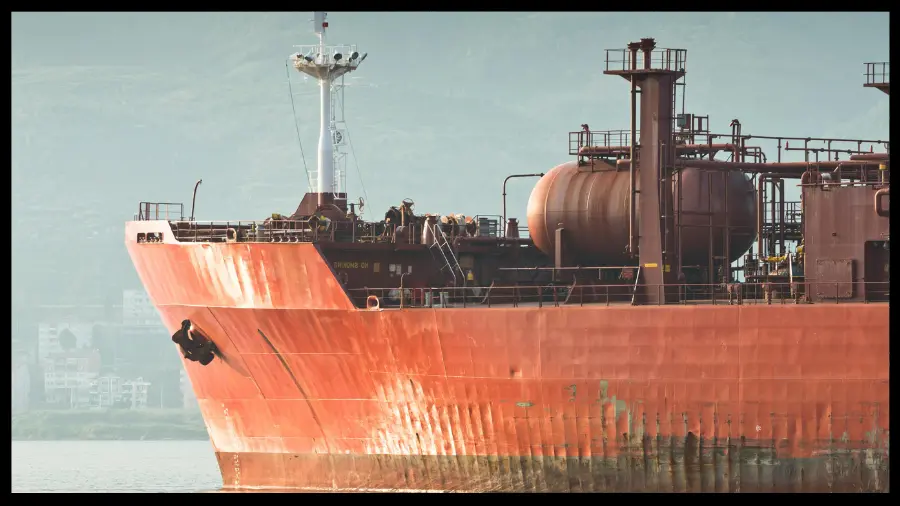
A Strait of Hormuz shutdown pattern is now showing up as a true traffic event, not just a risk headline: ships are stopping, waiting, and stacking on both sides of the chokepoint, with different counts depending on the definition (all vessels in the region versus those actually anchored and unable to move). Maritime trade press is putting the “caught in the region” figure in the low thousands, while mainstream shipping and data-led reporting highlights large numbers of tankers at anchor and a meaningful slice of the container fleet pinned in the backup.
Subscribe to the Ship Universe Weekly Newsletter
Click here for 30 second summary ▶
Hormuz paralysis: traffic jam becomes the market
The chokepoint is behaving like a hard stop. Ships are anchoring, loitering, or holding position rather than transiting, and the backlog is large enough that schedules are being rewritten from the waterline outward. Tankers, LNG carriers, and container ships are all exposed, but the biggest near-term effect tends to land in freight, insurance acceptance, and port-side bunching.
- On-the-water tell
Anchors down and AIS loitering become the constraint, not berth productivity. - Commercial tell
Voyage acceptance tightens fast and premiums harden, which shrinks the pool of ships willing to move. - Operational tell
Asia and Europe ports feel the next wave through missed windows and arrival clustering.
| Impact lane | Current operational tell | Tanker and LNG consequence | Container consequence | Cost pressure point | Signals to watch next |
|---|---|---|---|---|---|
| Anchorage buildup |
Ships hold position rather than transit, producing a stacked arrival problem when movement resumes.
Queue behavior
|
Import terminals get irregular arrival clusters. Load windows slip in the Gulf and discharge windows slip in Asia. | Gulf liner services and feeder connections take the hit through missed windows and rolled bookings. | Waiting time, demurrage, and schedule recovery costs appear even if cargo volumes do not change. | Growth in stationary vessels, plus any sign of partial corridor reopening that releases ships in waves. |
| Voyage acceptance tightens |
Owners set higher thresholds for transits, and charter terms harden around deviations, warranties, and cancellation.
Commercial gating
|
Tanker and LNG supply becomes effectively smaller because fewer ships will accept exposure at any price. | Lines suspend bookings, divert, or pause services, with knock-on congestion at transshipment alternatives. | Freight jumps as the tradable pool shrinks, then stays firm due to repositioning dislocation. | Booking suspensions, diversion notices, and whether select operators resume crossings under escort or strict limits. |
| Insurance posture shock |
Cover availability and price become a day-to-day gating item for transit decisions.
Cover and premium
|
Gulf to Asia voyages get repriced immediately, and confirmation cycles can hold ships at anchor. | Container services see higher risk surcharges and more aggressive cancellation or rebooking rules. | Premium plus administrative friction. Paperwork time becomes a real cost. | Policy cancellation dates, buy-back options, and any exclusions that widen beyond narrow waters. |
| Port bunching wave |
When ships move again, arrivals hit in clusters, stressing berth windows and yard rhythm.
Downstream congestion
|
Discharge sequencing becomes the constraint for crude and LNG terminals, especially with tight slotting. | Yard and gate cycles at key hubs strain, increasing rollovers and equipment imbalance. | Hidden costs expand. Storage, waiting, and missed connection cost more than the transit itself. | Terminal advisories, anchorage wait times, and evidence that recovery takes weeks, not days. |
| Fleet positioning distortion |
Ballast and equipment repositioning gets scrambled, reinforcing rate strength even after the initial shock fades.
Secondary effects
|
Longer reposition legs and delayed cycle time reduce effective tanker availability. | Empty equipment and schedule recovery become persistent pain points across Asia and Europe corridors. | Sustained firmness in spot pricing because cycle time is the real supply lever. | Reposition patterns, blank sailings, and whether alternate routings become semi-permanent. |
When a chokepoint turns into a parking lot, the operational challenge is not only transit time. The hard part is restart dynamics: ships release in waves, arrivals bunch, and port windows break. This planner converts that pattern into a simple checklist you can use for internal updates and counterparty alignment.
We welcome your feedback, suggestions, corrections, and ideas for enhancements. Please click here to get in touch.