Hormuz Closure Drives Bunker Prices to Record Highs
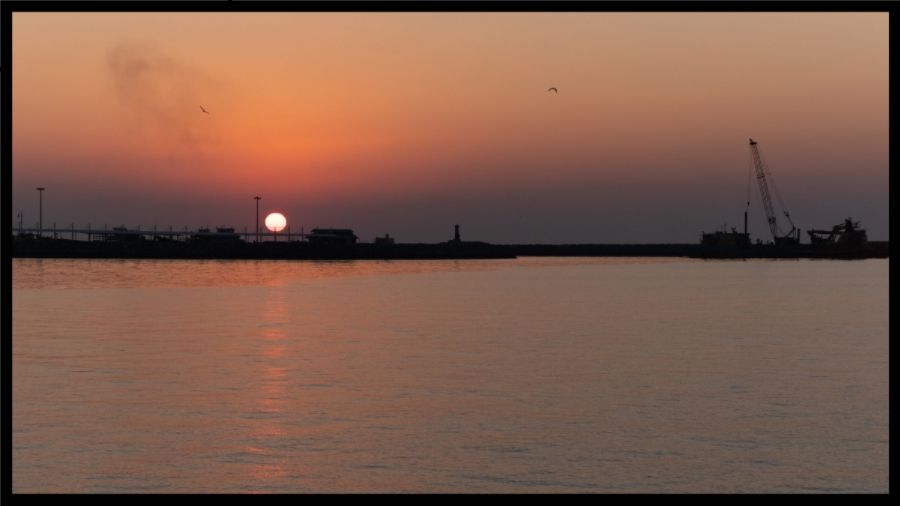
When Hormuz stops functioning as a reliable corridor, bunker markets reprice faster than almost anything else in shipping. In early March 2026, a mix of constrained East of Suez supply, disrupted operations at Fujairah, and sudden demand shifting into alternative hubs pushed marine fuel higher across grades and ports, turning fuel planning into a primary voyage decision instead of a routine stem.
Subscribe to the Ship Universe Weekly Newsletter
Click here for 30 second summary ▶
Record bunker conditions form when the hub network breaks
Marine fuel prices surged as Hormuz disruption and Gulf-area risk forced ships to alter bunkering plans. Fujairah operations slowed after an incident and terminal suspensions, pushing demand into other ports and widening premiums. At the same time, global bunker price tracking showed large short-window gains across major hubs, with sharp increases in VLSFO and distillate grades and a strong move in HSFO as replacement cargo logistics tightened.
- Fast driver
Fujairah supply friction plus re-routing demand into alternate ports tightened availability and widened premiums. - Grade behavior
VLSFO rose with crude and blending logistics, LSMGO rose with compliance demand, and HSFO tightened as fuel oil flows and tanker availability shifted. - Shipping effect
Voyage economics change in days: bigger stems cost more, fuel surcharges spread, and delay days become expensive.
| Signal | Observed move | Grade most exposed | Mechanism inside the port network | First shipping impact | Confirmation points |
|---|---|---|---|---|---|
| Fujairah throughput stress |
Bunkering slowed after an incident and multiple terminals suspended loading operations, lifting premiums and shifting demand to other hubs.
Hub substitution starts here
Premia were described as widening sharply versus Singapore benchmarks in the same window.
|
VLSFO and LSMGO | When a top hub loses throughput, suppliers protect inventory, bids rise, and ships move stems to substitute ports, pulling premiums higher elsewhere. | Harder stem confirmation, shorter validity windows on offers, and higher risk of split stems across two ports. | Terminal status updates, barge availability, and whether suppliers remain on force majeure or resume normal offering. |
| Singapore demand absorption |
Demand shifts into Singapore as ships avoid Gulf-adjacent bunkering and seek reliable supply further east.
Market tracking highlighted rising bunker prices and demand pull into Singapore and other hubs.
|
All grades | Hub substitution concentrates demand. Even if total world supply exists, it is not always positioned where ships can take it without extra steaming or delay. | Higher delivered fuel cost and growing crowding risk at the substitute hub. | Local availability notes, queue indicators, and whether suppliers widen differentials or ration offer sizes. |
| HSFO tightness narrative |
Fuel-oil flows into Asia tightened as the corridor shock reduced movement and raised replacement logistics cost.
Reports point to sharp flow changes and higher refining margins in Asia during the disruption.
|
HSFO 380 | HSFO is both a bunker staple and a traded product. When exports are disrupted, the make-up barrels must come from farther away and compete with tight tanker availability. | Higher HSFO pricing, wider HSFO-VLSFO spreads, and difficulty covering very large stems without planning margin. | Spread behavior and weekly price series that capture whether HSFO is tightening faster than VLSFO. |
| LSMGO threshold pressure |
Distillate grades rose strongly as compliance fallback demand meets tighter regional supply and higher crude.
Global tracking flagged large moves across ports and grades.
|
LSMGO | LSMGO demand spikes when operators treat it as the certainty fuel for compliance and operational resilience during disruption. | Higher cost to operate in ECAs and higher safety margin cost for schedule recovery sailing. | Crack strength in distillates, jet and gasoil margin behavior, and bunker series showing whether MGO keeps widening versus VLSFO. |
| Global propagation |
Bunker prices lifted across multiple regions as crude rose and ships re-routed, changing demand patterns by port and day.
Tracking showed sharp rises in US ports as well, consistent with global propagation.
|
All grades | Re-routing changes the bunker clock: ships buy on different days and in different places, which can tighten ports that were not constrained initially. | Higher voyage fuel budgets, updated fuel factors and surcharges, and more conservative bunker planning. | Whether corridor disruption persists long enough to make alternate bunkering patterns semi-permanent. |
This estimator isolates the two drivers that surprise teams during bunker shocks: the price jump and the delay days. It produces an incremental fuel bill and an optional per-unit view for quick internal briefs.
We welcome your feedback, suggestions, corrections, and ideas for enhancements. Please click here to get in touch.