Foreign-Built Vessel Fees at US Ports Resurface in Maritime Action Plan
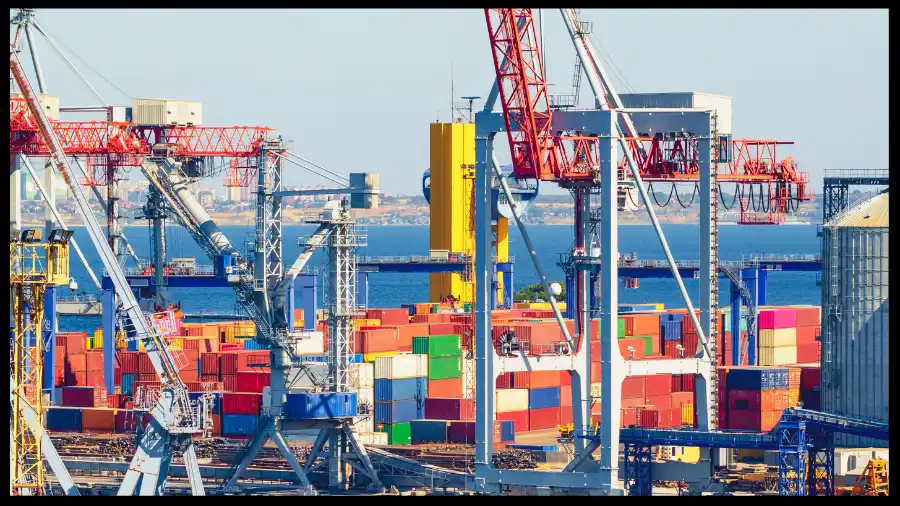
A US policy blueprint is putting “port fees on foreign-built ships” back on the table, framed as a universal infrastructure or security fee tied to the weight of imported tonnage on each call. Even before any rulemaking, it is a direct cost and contracting signal for owners trading to the US because it turns vessel build origin and port-call count into an invoiceable line item that counterparties will try to allocate.
Subscribe to the Ship Universe Weekly Newsletter
Click here for 30 second summary
US port fee proposal in one read
The White House Maritime Action Plan includes a proposed “universal infrastructure or security fee” on foreign-built commercial vessels calling at US ports. The plan frames the fee as being assessed on the weight of imported tonnage arriving on the vessel, which turns an owner’s US port call into a measurable, cargo-linked cost base rather than a vessel-size-based charge. The document uses illustrative fee rates ranging from $0.01 per kilogram up to $0.25 per kilogram, showing how dramatically the impact depends on where any final number lands.
-
Trigger and scope
The trigger is “foreign-built” and the call is a US port call by a commercial vessel, which is broad in practice because most internationally trading tonnage is foreign-built. -
Why the base matters
Because the fee is tied to imported cargo weight, the same ship can look “more expensive” or “less expensive” depending on import payload and how many US calls the cargo is spread across. -
Commercial pinch point
The early impact is contract language: parties will try to classify the charge, define what weight evidence counts, and lock down who pays and when, especially for fixtures and service contracts signed before any implementation date.
If this proposal advances, it creates a direct per-call, weight-based cost lever on US import trades that can influence port rotations and quickly show up as a new, explicitly allocated line item in charterparty riders and service contract surcharge sections.
| Changes | Mechanics | Exposure profile | Port and network knock-ons | Contract and billing pressure points |
|---|---|---|---|---|
| Universal fee concept is back |
A “universal infrastructure or security fee” on foreign-built commercial vessels calling at US ports, assessed on the weight of imported tonnage arriving on the vessel.
This frames port calls as a measurable funding base for a maritime trust fund concept.
|
Broad coverage by design because the world fleet is predominantly foreign-built.
Exposure concentrates where US import calls are frequent or cargo weights are large per call.
|
Adds a per-call cost lever that can reward fewer calls, larger discharge concentration, or different port rotations. | Becomes a new “charge bucket” that parties will try to allocate: owner vs charterer, carrier vs shipper, or passed through as a surcharge. |
| Fee basis is cargo weight, not vessel size |
Fee assessed on the weight of imported tonnage on the vessel at the call, which ties the liability to loaded import volume.
This is structurally different from GT based dues or berth fees.
|
Heaviest import calls face the biggest dollar swing per call under a weight-based formula.
Bulk and breakbulk weight profiles can look very different from container cargo weights per call.
|
Incentivizes network designs that avoid multiple US calls for the same import cargo flow, if commercial commitments allow. | Import documentation, manifests, and cargo weight evidence become part of invoicing and dispute logic. |
| Rate is illustrative, not set |
Illustrations in the plan use a wide range such as $0.01 per kilogram up to $0.25 per kilogram, with very different revenue outcomes.
The number matters more than the concept because the range spans orders of magnitude.
|
Owners and operators with thin voyage economics to the US have less room to absorb uncertainty.
Contracted trades will focus on pass-through language and timing.
|
Uncertainty alone can impact fixture behavior, especially for deals that price US calls months ahead. | Expect pressure for “regulatory change” clauses to name this fee explicitly, with audit rights and payment timing spelled out. |
| Status: proposal inside a policy plan |
The concept appears as a recommended action in a federal policy document, not as an implemented tariff schedule.
If pursued, it would likely require formal rulemaking, legislative action, or both depending on structure.
|
Practical planning splits into two buckets: contracts signing now, and voyages already in execution.
The key risk is retroactivity or short-notice effective dates in any future implementation.
|
Any move from concept to implementation triggers port-choice reviews, call-minimization strategies, and potential cargo routing changes. | Look for rapid knock-on effects in charterparty rider language and service contract surcharge sections. |
| Build origin becomes a commercial variable |
The trigger is “foreign-built” rather than flag, ownership, or operator nationality, which can pull otherwise neutral vessels into the fee base.
That makes shipyard origin a pricing input on US trades.
|
Owners with mixed fleets may treat US deployment as an allocation problem, picking the “least exposed” hulls by build origin and trade profile. | Fleet deployment and rotation choices can shift, particularly if owners try to ring-fence US calls to specific strings or specific ships. | Commercial teams will want a simple checklist: which ships trigger, how cargo weight is measured, when it is billed, and who pays. |
This is why the same voyage can price very differently depending on call count, discharge pattern, and whether the contract recognizes a new “port fee” bucket explicitly.
The first commercial impact is usually paperwork and clause drafting, before any physical rerouting happens.
If the policy advances, these items tend to show up quickly in riders because parties want a simple payment and proof pathway.
This is a straight math check based on the plan’s weight-based framing. It does not assume any specific final rate or implementation structure.
If the proposal advances beyond the policy document stage, it would introduce a new, weight-based cost tied to imported tonnage on foreign-built commercial vessels calling at US ports, with the plan illustrating a wide range of possible fee levels from 1 cent per kilogram to 25 cents per kilogram and linking proceeds to a Maritime Security Trust Fund concept. That structure makes two things commercially immediate for US-trading owners and operators: port-call count starts to matter more because the charge is assessed at the call, and contracts will quickly focus on defining the fee category, the cargo-weight evidence standard, the billing timing, and who carries the liability or pass-through. Bottom-Line Impact: even before any implementation details are set, the concept itself is a routing and cost-allocation signal that can alter port rotation logic and accelerate clause updates in fixtures and service contracts touching US import calls.
We welcome your feedback, suggestions, corrections, and ideas for enhancements. Please click here to get in touch.