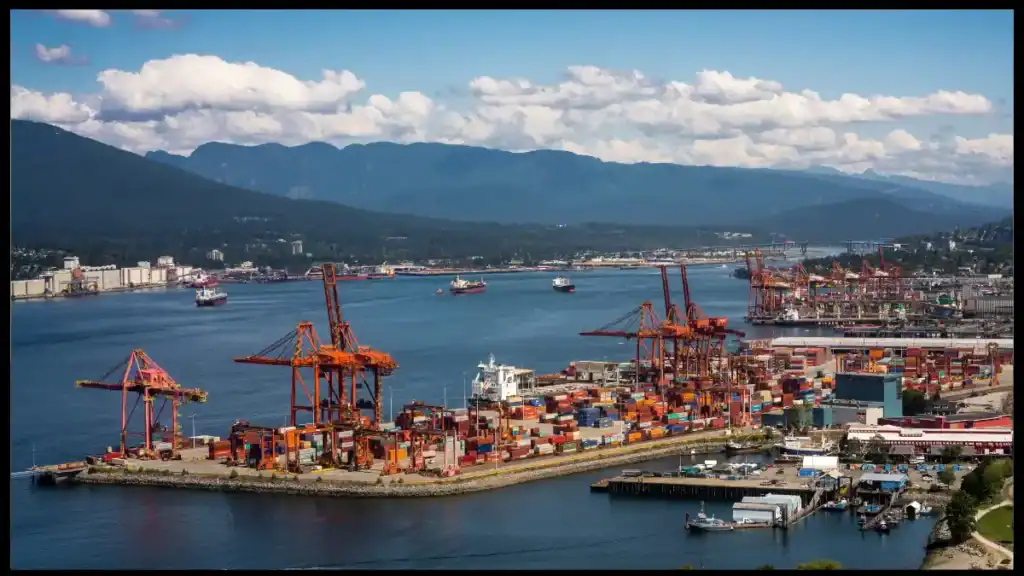
As global trade adapts to geopolitical tension, climate constraints, and shifting demand centers, ports around the world are undergoing major transformations. In North America, multi-billion dollar expansions are being launched, while in Asia, security concerns and cross-border linkages are redrawing strategic priorities. From Canada’s west coast to Myanmar’s transit routes and Australia’s geopolitical flashpoints, port infrastructure is now a frontline concern, not just for cargo volumes but for national influence and supply chain resilience.
Strategic Port Developments Matrix (Past Week)
Development
Region
Impact
Timeline
Roberts Bank Terminal 2 RFQ issued
Vancouver, Canada
C$3B terminal to add 2.4M TEU capacity; key to boosting Indo-Pacific trade and easing reliance on U.S. port infrastructure.
Construction 2028; Ops mid‑2030s
Tariff exemption push for Chinese cranes
U.S.
U.S. ports warn of increased crane costs, modernization delays, and operational bottlenecks if exemption expires.
Pending decision, July 2025
Port Hedland tugboat rescue prompts reforms
Australia
New marine safety protocols enacted; expected to reduce risk and maintain bulk export flow from world’s busiest ore port.
Implemented July 2025
Darwin Port lease under scrutiny
Australia–China
Growing political friction around foreign control of strategic ports may prompt tighter investment regulations.
Talks underway July 2025
Kaladan multimodal corridor update
India–Myanmar
Corridor to open sea access for Northeast India; viewed as a counterbalance to Chinese influence in Bay of Bengal.
Targeted completion by 2027
Matarbari Deep-Sea Port nearing Phase 1 finish
Bangladesh
New hub to handle deep-draft vessels and reduce Bangladesh's reliance on foreign transshipment centers.
Operational start expected 2026
Note: Insights drawn from port authority releases, government updates, and industry reporting.
Industry Impact Overview:
Recent port developments across North America, Asia, and the Indo-Pacific reveal how infrastructure strategy is becoming inseparable from global politics, energy transition, and trade competitiveness. From billion-dollar expansions to scrutiny of foreign control and rapid safety reforms, port authorities and governments are repositioning themselves for resilience and leverage in the next decade of global shipping.
Key Impacts:
Infrastructure as Strategy: Ports are no longer passive trade hubs, they are becoming frontline tools in geopolitical, economic, and environmental strategy.
China Port Tensions Rising: Australia's Darwin Port and the U.S. tariff disputes over Chinese-made port cranes are signaling renewed scrutiny of Chinese involvement in global maritime infrastructure.
Safety Incidents Prompt Immediate Change: Australia’s tugboat near-disaster shows how port governance can quickly evolve after high-profile incidents.
New Trade Corridors Emerging: Projects like Kaladan and Matarbari are shaping alternative routing strategies to bypass chokepoints and reduce regional dependence.
Cost & Access Shifts: Expanded terminals like Vancouver’s Roberts Bank will absorb future TEU growth while reshaping routing efficiency for trans-Pacific shipping.
Strategic Themes Driving Port Development
Theme
Example Project
Strategic Benefit
Key Risks
Trade Capacity Expansion
Roberts Bank Terminal 2 (Canada)
Boosts Pacific capacity, reduces bottlenecks
Cost overruns, environmental opposition
Geopolitical Infrastructure Control
Darwin Port (Australia–China)
Reclaims strategic oversight from foreign operators
Trade retaliation, legal complexity
Port Safety Reform
Port Hedland Tug Rescue Response
Reduces accident risk and towage delays
Operational friction, cost of compliance
Route Diversification
Kaladan Multimodal Corridor
India gains sea access bypassing Bangladesh
Conflict zone delays, security concerns
Deep-Sea Access & Autonomy
Matarbari Port (Bangladesh)
Handles larger vessels; reduces feeder reliance
Funding gaps, regional disputes
Note: Ports are entering a new era where infrastructure investments serve as both economic multipliers and strategic instruments of national power.