Europe Takes Every Arctic LNG Cargo as the 2027 Ban Clock Ticks
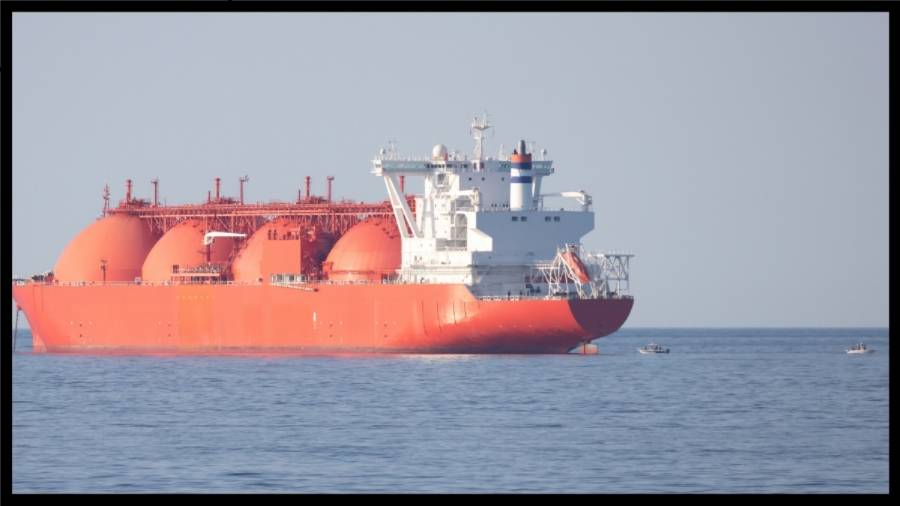
Europe just absorbed the entire February export stream from Russia’s Arctic Yamal LNG, even as EU law now sets a full LNG import ban starting January 1, 2027. The tension is not theoretical: it shows how quickly buyers will pull barrels and molecules forward when supply security and price risk are high, and it sets up a noisy 2026 as terminals, shippers, and contract teams manage a shrinking window for legal Russian LNG flows.
Subscribe to the Ship Universe Weekly Newsletter
Click here for 30 second summary of the full piece ▶
The ban is dated, the buying is now
In February 2026, all Yamal LNG exports went into EU ports: 21 of 21 cargoes totaling 1,543,347 tonnes. This comes after the EU adopted a stepwise phaseout that sets a full ban on Russian LNG imports from January 1, 2027, with pipeline gas later in 2027.
- Cargo concentration: 100 percent of the month’s Yamal export stream landed in the EU.
- Timeline pressure: a fixed cutoff date can pull flows forward and intensify terminal scheduling.
- Maritime link: routes, vessel availability, and coverage terms become more sensitive as the window shrinks.
| Reader shortcut | Case facts that matter | Continuity pressure points | Stakeholders most exposed | Next proof points |
|---|---|---|---|---|
| February was fully EU bound |
All Yamal LNG exports in February 2026 went to the EU: 21 of 21 cargoes totaling 1,543,347 tonnes.
A full-month capture is an extreme concentration signal for a global commodity.
Concentration signal
|
Terminal slot tightness can rise quickly when flows concentrate, especially if cargoes arrive in clusters around weather windows and vessel rotations. | Terminals, LNG carrier operators, and portfolio buyers managing prompt coverage. | Whether March and April show the same concentration or a return of non-EU destinations. |
| The cutoff is dated in EU law |
EU rules set a stepwise ban, with a full LNG prohibition from the beginning of 2027 and pipeline gas later in 2027.
A fixed date often pulls flows forward in the preceding year.
Rule clock effect
|
Contract and compliance work increases as the date gets closer: documentation checks, clause tightening, and change-in-law risk allocation. | Chartering and legal teams, banks, insurers, and terminals with strict acceptance rules. | Any implementing guidance, enforcement posture signals, or transition treatment clarifications. |
| Shipping mix and constraints |
Arctic-linked cargo chains have constraints that are not universal: specialized vessel capability, seasonal routing, and narrow substitution for the same supply source.
That can make supply redirection slower than buyers expect.
Constraint reality
|
If redirection becomes necessary later, the market may face a short-term mismatch between replacement cargo availability and shipping capacity. | LNG shipowners, charterers with tight discharge windows, and utilities relying on predictable monthly delivery rhythm. | Spot and term charter availability, plus evidence of longer-haul replacements being pulled toward Europe. |
| Hub terminals become the control points |
When a trade concentrates into a smaller set of receiving terminals, hub operations and storage-to-reload capability matter more for balancing.
Hubs can buffer demand, but they can also become bottlenecks.
Hub dependence
|
Congestion risk rises if arrivals bunch up. Reload schedules and storage can become the practical limiter in stress weeks. | Terminal operators, nearby ports and pilots, and downstream buyers depending on send-out reliability. | Berth waiting time reports, reload activity level, and any port-side operational restrictions. |
| Price and policy begin to interact |
When gas markets tighten, buyers may prioritize near-term security of supply even if policy points to a future phaseout.
That tension is visible when full-month flows concentrate before a cutoff.
Security-first behavior
|
Higher volatility can lift time buffers, change voyage planning, and raise insurance and financing friction for any trade seen as policy sensitive. | Portfolio traders, utilities with regulated tariffs, and shipping counterparties managing policy risk clauses. | Storage trajectory, benchmark price moves, and whether the EU import mix shifts toward longer-haul suppliers ahead of 2027. |
February’s Yamal intake total can look abstract in tonnes. This tool converts tonnes into approximate shiploads and gas scale using a commonly used LNG-to-gas conversion factor. A separate meter shows time remaining until January 1, 2027, when the full LNG ban is scheduled to take effect.
Tonnes convert into shiploads fast. Concentration into one region can tighten terminal slots and repositioning.
Bcm equivalents help compare a month of cargoes against storage targets and seasonal demand gaps.
A fixed cutoff often increases clause intensity, document checks, and timing buffers in the final year.
We welcome your feedback, suggestions, corrections, and ideas for enhancements. Please click here to get in touch.