CK Hutchison Warns Maersk Off Panama Canal Terminals as Balboa and Cristobal Control Dispute Escalates
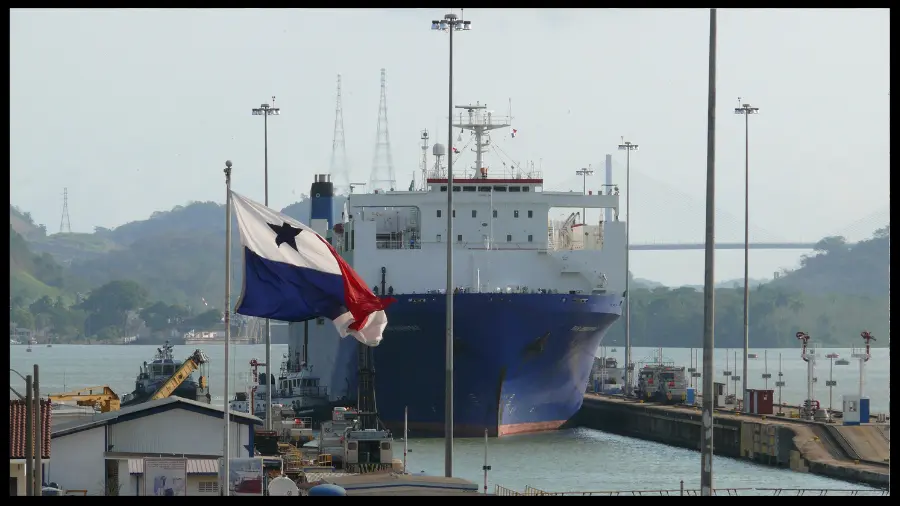
CK Hutchison has told Maersk it may pursue legal action if Maersk’s terminal arm moves to temporarily assume operations at Balboa and Cristobal, two high-leverage terminals at the canal gateways. The warning lands after Panama’s Supreme Court voided the underlying port contracts, turning a legal decision into a live operational transition risk for carriers, forwarders, and cargo owners watching berth continuity and handover timing.
Subscribe to the Ship Universe Weekly Newsletter
Click here for 30 second summary
Panama terminals dispute in one read
CK Hutchison has warned Maersk that it may take legal action if Maersk’s terminal unit attempts to temporarily take over operations at Balboa and Cristobal without Hutchison’s consent. The dispute is unfolding after Panama’s Supreme Court voided the contracts tied to the terminals, creating uncertainty around who holds operational authority during any transition. The operational risk is not a physical canal constraint. It is whether handover control is clean and time boxed, or contested and procedural, which is when data feeds, release authority, gate rules, and berth planning can wobble even while equipment remains in place.
-
Core issue
A court decision has shifted terminal control into a transition phase, and the incumbent operator is warning against an unagreed operational switch. -
First friction zones
Terminal operating system access, EDI continuity, appointment rules, holds and releases, billing authority, and signatory clarity. -
Shipping read-through
Carriers and forwarders tend to add buffers, raise exception handling, and pre-model contingencies if interim control looks conditional rather than defined. -
Timeline watch
Named interim scope and duration, visible authority signals, and stable milestone data are the fastest indicators that the handover plumbing is under control.
The risk is a contested transition at two canal-gateway terminals: even a short period of unclear operational authority can increase exceptions, dwell, and handover misses across port-heavy strings that depend on predictable berth and gate performance.
| Fast reader take | Trigger and position | Handover risk points | Shipping knock-ons | Who feels it first |
|---|---|---|---|---|
| Warning shot before a handover |
CK Hutchison signaled legal action if a third party assumes operations without consent.
This is aimed at preventing a forced or unilateral operational switch.
|
authority to operate
site control
systems access
The first frictions show up in who can issue instructions, sign releases, and authorize changes.
|
Carrier schedules depend on smooth berth assignment, gate-in rules, and yard planning.
Even short “administration uncertainty” can amplify waiting time and rework.
|
Lines, terminals ops teams, port captains, and forwarder control towers |
| Court-driven uncertainty |
The underlying contracts tied to the terminals were voided by Panama’s top court.
That shifts the discussion from commercial renewal into legal and administrative control.
|
transition timing
interim operator scope
labor continuity
The market watches whether an interim step is clean and time boxed or becomes contested.
|
Uncertainty can translate into more conservative stow and inland planning, especially for time sensitive cargo.
The issue is workflow reliability rather than physical canal restriction.
|
BCOs, refrigerated cargo owners, project cargo planners, rail and trucking partners |
| Operational continuity still matters |
Public statements around continuity have focused on avoiding disruption to trade service.
The continuity story can coexist with a legal dispute story.
|
handover playbook
IT and EDI
safety and permits
Real risk sits in the “plumbing”: TOS access, EDI feeds, appointment rules, billing, and holds.
|
If data flows wobble, visibility degrades first, then dwell times and handoff misses rise.
Claims and disputes can follow when timestamps and responsibility blur.
|
Customer service desks, claims teams, demurrage and detention desks |
| Panama gateway sensitivity |
The terminals sit at canal gateways, making them high impact nodes even when throughput is normal.
A “small” change in process can ripple into vessel and inland queues.
|
berth windows
yard rehandles
gate peaks
Peak risk is during schedule compression and bunching, when the terminal needs maximum flexibility.
|
Expect carriers to prioritize predictability, then cost, then optimization.
If predictability drops, network buffers often rise.
|
Network planners, alliance partners, and shippers with fixed delivery slots |
| Immediate market question |
Will interim control be consensual and bounded, or contested and litigious.
That single fork changes how counterparties plan.
|
contract enforceability
authority signals
timeline clarity
Defined dates and a clean scope reduce risk more than broad assurances.
|
Lower clarity increases the chance of short-notice reroutes, rolling cutoffs, and ad hoc changes.
The cost is often hidden in missed handovers and rebooking friction.
|
Forwarders managing tight transshipment chains and NVOCC exception desks |
For shipping stakeholders, the practical question is whether the terminals run under a defined interim arrangement with clean scope, or under a contested posture that creates procedural wobble even if cranes keep moving.
| Friction cluster | Visible symptom | Downstream effect | Early tell |
|---|---|---|---|
| Data and timestamps EDImilestones |
Conflicting event times, partial visibility, manual status chasing | More missed handovers, more disputes over holds and responsibility | More manual overrides |
| Gate and appointments cutoffsslots |
Shifting appointment availability and earlier cutoffs | Higher dwell, trucking congestion, warehouse knock-on issues | Slot volatility |
| Authority and releases holdsbilling |
Unclear release authority for containers and documents | Delayed pickup, demurrage and detention risk rises | More “pending approval” statuses |
| Berth planning windowsbunching |
More variance in berth windows under schedule compression | Cascade delay into strings and inland rail connections | Berth plan changes |
Turns a small dip in productivity into a directional “exception count” estimate for planning load, not a cost model.
We welcome your feedback, suggestions, corrections, and ideas for enhancements. Please click here to get in touch.