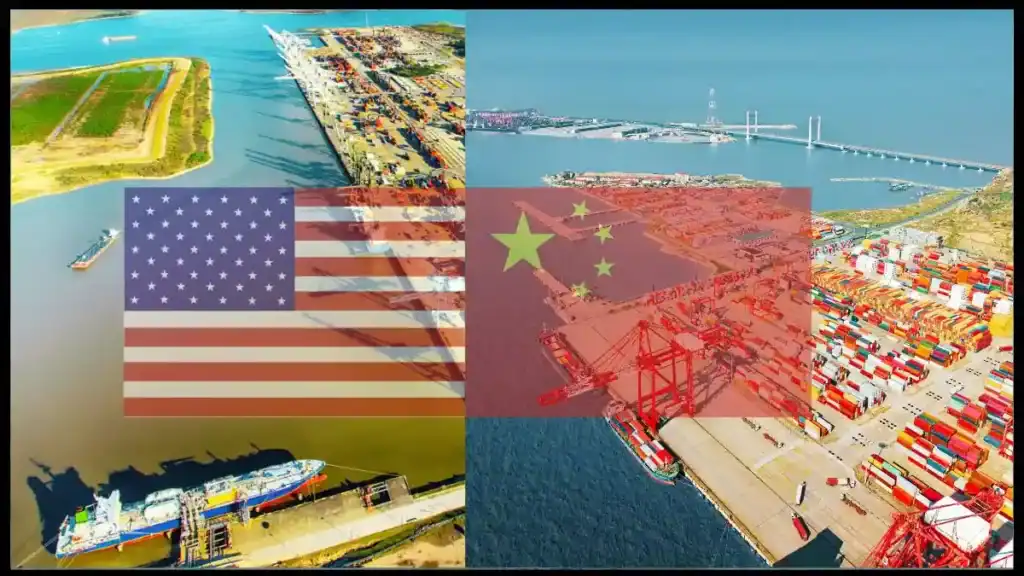
A seismic shift is underway in the shipbuilding world: China’s overwhelming dominance is slipping, while U.S. policymakers push for a maritime renaissance. In the first half of 2025, China's newbuild share dropped from 72% to 52%, amid looming U.S. port-fee measures. At the same time, U.S. leaders are calling for a long-term strategy to rebuild domestic shipyards, signaling a potential rebalancing of global maritime power.
China / US Shipbuilding Pulse
Development
Detail
Impact
Timing
China Market Share Drop
Shipbuilding share fell from 72% to 52% in H1 2025
Shifts orders to S. Korea, Japan, others
Reported July 16, 2025
Chinese LNG Carrier Orders Surge
Hudong-Zhonghua and DSIC secured multiple orders for advanced LNG carriers from QatarEnergy and MOL
China shores up leadership in high-spec vessel segment despite market pressures
Q3 2025
China Launches AI-Integrated Shipyard Project
CSSC launches smart yard initiative in Jiangnan to boost automated block assembly and welding
Significant leap toward digital shipbuilding leadership
Now–2027
USTR Port Fees Proposal
Fees on Chinese-built vessels calling U.S. ports
Rising cost deters newbuilding in China
Effective Oct 2025
U.S. Maritime Ecosystem Plan
Calls for domestic crew, shipyard, policy overhaul (EO April 9)
Potential multi-billion $ investment in local build
Implementation underway, reports pending
SHIPS for America Act
Legislation to boost U.S. fleet by 250 ships & funding
May underpin long-term industrial revival
Bill reintroduced Apr 2025
Arctic Icebreaker Build Push
$8.6bn allocated for Coast Guard icebreakers
Stimulates U.S. shipyard capacity & national security
Funded July 2025
Note: Data from shipbuilding reports, USTR, U.S. Executive Order, SHIPS for America Act, and recent coastal security bills.
Industry Impact
Amid tariffs, shifting alliances, and national security concerns, the balance of power in global shipbuilding is shifting. China's dominant position is showing signs of strain, just as the U.S. is being urged to overhaul its shipbuilding infrastructure. This evolving contest isn’t just commercial, it’s geopolitical.
Key Impacts:
🇨🇳 China's 20% Market Share Dip: A significant retreat due to external pressure from USTR tariffs and buyer uncertainty.
🇺🇸 U.S. Strategic Reawakening: Think tanks and maritime leaders are calling for a new ecosystem to regain industrial edge.
Order Diversion in Progress: Some Western buyers are pausing or rerouting orders away from Chinese yards toward allies.
Reshoring vs. Reinvention: U.S. lacks competitive yards for modern builds; China is advancing AI-integrated manufacturing.
Broader Implications: This is more than economics, it ties into naval readiness, trade leverage, and global influence.
China vs U.S. Shipbuilding Pulse
Aspect
China
United States
Status
Market Share
Down 20% in Q2 2025
Minimal, <5% of global orders
Shifting dynamics
Tariff Impact
Facing U.S. pressure and buyer pullback
Initiated fees on select Chinese-built ships
Active
Defense Capability
Rapid naval expansion, carrier builds
Aging shipyards, urgent modernization needed
Strategic concern
Technological Investment
AI-enhanced shipyard automation
New proposals, limited funding
China leads
Global Orders
Still largest player, but slipping
Missed large export opportunities
Opportunity gap
Recent Positive Momentum
Launched new LNG and wind-assisted vessels
Secured bipartisan support for revitalization act
Both sides advancing
Note: Based on BIMCO data, USTR announcements, and shipyard development reports.