China’s Russian crude imports set a February record as discounts widen and barrels reroute
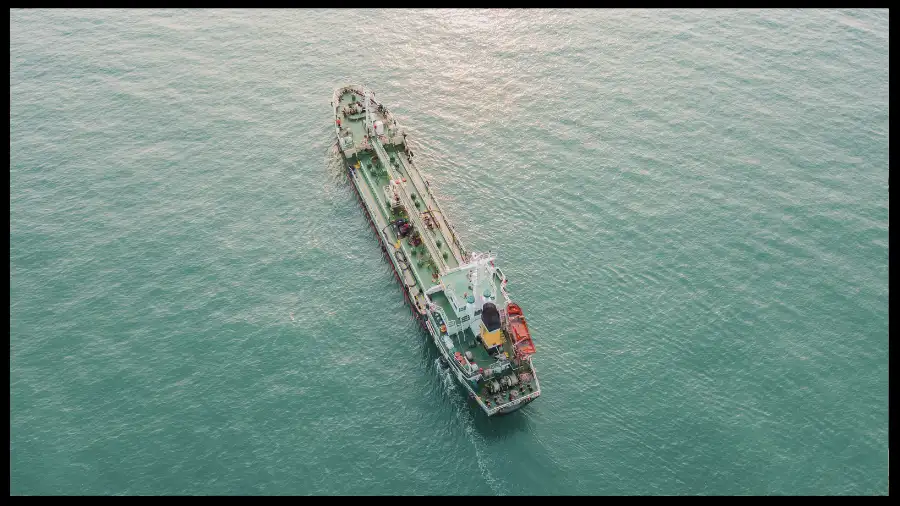
China’s seaborne imports of Russian crude are now expected to reach a fresh monthly record in February 2026, with tracking estimates clustered around about 2.07 to 2.08 million bpd, extending a multi month climb. The jump is being linked to steeper Russian discounts into China and reduced buying elsewhere, with signs that some demand has also shifted away from other sanctioned grades in the same window.
Subscribe to the Ship Universe Weekly Newsletter
Click here for 30 second summary
China and Russian crude in February, one read
Tracking estimates now point to China’s seaborne imports of Russian crude reaching a new monthly record in February 2026, with figures cited around 2.07 to 2.08 million barrels per day. The rise follows a multi month climb and is being linked to deeper Russian discounts into China and a shifting buyer mix across sanctioned crude trade.
-
Record marker
The main datapoint is the February intake estimate itself. It is being described as a third consecutive monthly record and as a notable pull of Russian barrels into China. -
Pricing dislocation
The reporting around the move highlights wider discounts for Russian crude relative to Brent benchmarks, with discounts cited in a roughly $9 to $11 per barrel range in China-facing deals. -
Flow substitution
In the same tracking discussion, other sanctioned crude imports into China are described as lower month on month, suggesting substitution inside the sanctioned barrel basket rather than a simple one-way volume increase.
A record month for Russia into China is a crude-flow reroute headline. It matters for tankers because origin and distance shift tonne-miles, and because pricing dislocations can move buying patterns quickly between grades, ports, and basins.
| Record watch number | Moving | Discount signal in the market | Tanker demand mechanics | Knock-on flow shifts |
|---|---|---|---|---|
|
February intake seen at record highs
Tracker estimates cited around 2.07 to 2.08 mbpd.
|
Russian barrels into China are being described as pulling higher volumes for a third consecutive month, with mention of Far East and western export grades.
Grades referenced in market coverage include ESPO and Sokol, alongside western-origin flows.
|
Wider discounts are a core driver being cited, with Russian crude priced materially below Brent benchmarks in China-facing trade.
Reported discount range cited around $9 to $11 per barrel below ICE Brent in some deals.
|
Demand impact is tied to distance and routing: crude moving long-haul into China and replacing nearer barrels changes tonne-miles even if global supply is unchanged.
The effect is most visible when cargoes swing between Atlantic, Middle East, and Pacific sourcing.
|
Market tracking in the same window points to reduced buying of other sanctioned crude into China versus prior month.
Iranian intake was cited as lower in February than January in the same tracking discussion.
|
|
India easing off is part of the story
Feb estimates cited near 1.159 mbpd for India, down from earlier peaks.
|
The rebalancing is described as shifting marginal barrels toward China as other buyers reduce exposure and trading patterns adjust. |
Discount widening has been described as a deliberate seller response to defend volumes into China.
Independent refiners are highlighted as key marginal buyers for discounted barrels.
|
When flows swing from one major buyer to another, the tanker market focus is not just volume but which origin, which discharge, and whether voyages consolidate into fewer longer routes. | If one sanctioned stream becomes relatively more attractive, it can push out another, changing the mix of voyages and port pairs. |
|
Blend mix matters
Far East grades versus western grades imply different loading areas and voyage distances.
|
Coverage notes stronger pull for specific Russian grades, with wider acceptance among Chinese buyers in this period. | The pricing dislocation being cited is steep enough to influence crude slate choices at the margin, especially when refining economics are tight. | Tonne-miles sensitivity is highest when replacement barrels differ materially in distance to China, and when routing remains constrained by sanctions logistics. | Tracking commentary also links the shift to geopolitical risk perception around other supply lanes, which can tilt demand between sanctioned sources. |
|
Near-term watch list
What confirms the record: arrivals, discharge pace, and refinery runs.
|
Port and refinery intake data in Shandong and larger independent systems are the most immediate read-through for whether the February estimate prints. | Watch the discount differential trend. The story has been framed around unusually deep markdowns versus Brent. | Watch if longer-haul sourcing holds, because that is where demand absorption shows up for tankers even if total imports flatten. | Watch whether other sanctioned flows remain lower month on month or reappear if discounts reprice. |
Market commentary ties the lift to unusually wide discounts into China and reduced buying elsewhere, with grades and buyer mix doing as much work as headline volumes.
The shipping angle shows up when sourcing changes origin and distance to discharge, even if total global crude supply does not move much.
This converts a flow estimate into a simple monthly tonne-mile proxy using your assumed distance. It is a mechanical proxy only and does not model congestion or speed.
China’s February record intake of Russian crude is another reminder that the sanctioned-barrel trade is still reshaping Asia’s crude map in real time. When discounts move and buyers rotate, the change shows up first in cargo routing, port pairs, and liftings, then in the tanker market’s demand profile through longer average voyages and different loading patterns. The next confirmations to watch are how the February arrival estimates print in customs and port data, whether the discount gap holds into March fixtures, and whether competing sanctioned grades regain share or stay displaced as refiners fine-tune their crude slates.
We welcome your feedback, suggestions, corrections, and ideas for enhancements. Please click here to get in touch.