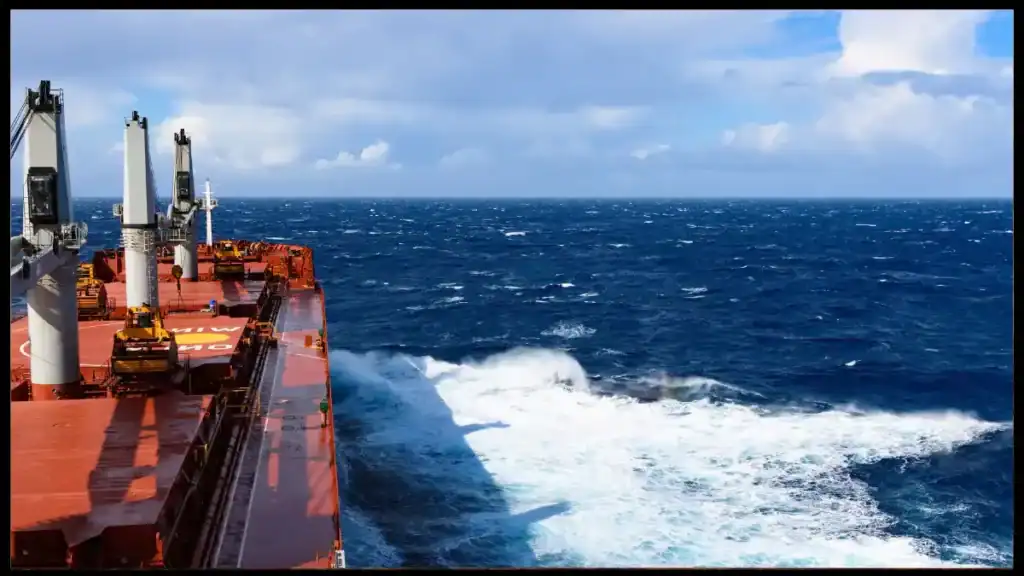
Ship operators are facing a turbulent seas of change in marine fuel markets. While global demand for conventional bunker is flatlining due to tightening emission rules and a sluggish economy, short-term disruptions, from Red Sea route shifts to U.S. hurricane season are stoking volatility in availability and pricing. At the same time, new regulations and shifting fuel mixes are reshaping cost structures for conventional and alternative marine fuels alike.
Marine Fuel Market Snapshot
Topic
Current Trends
Impact on Shipping
Outlook
Conventional Bunker Prices
VLSFO at ~$585/mt average in 2025; down from 2024 highs. HSFO–VLSFO spread tightening ($73‑77/mt). Crude Brent steady at $70/bbl.
Prices expected to hold or rise slightly; vulnerability to oil sanctions and refinery shifts.
Fuel Availability – Americas
Houston sees improved availability; NY demand soft. US Gulf hurricanes remain a wildcard.
Port calls stable, but weather risk demands supply buffer planning.
Summer weather could disrupt; alternate lightering sites (GOLA) may gain usage.
Fuel Availability – East of Suez
Asian availability uneven—Singapore lead times 6‑14 days; Chinese ports hit by Typhoon Danas.
Longer lead times impact tight vessel schedules and bunker planning.
Improvement post-storm; volatility remains during typhoon season.
Alternative Fuel Premiums
LNG bunker at €815/mt (~USD 805); gap to VLSFO narrowed to $10/mt.
LNG now price-competitive; fueling adoption in green-shipping corridors.
Narrowing gap may accelerate LNG bunkering uptake; renewables still premium.
Long-Term Fuel Outlook
IEA forecasts bunker demand plateau around 5 mbpd; IMO carbon pricing due 2028; Wartsila expects HFO costs to double by 2035.
Operators planning for fuel transition, carbon charges, and emission caps.
Shift to LNG, methanol, biofuels becoming imperative; hedging and efficiency key.
Note: Insights drawn from industry reports, market bulletins, and regional fuel pricing data.
Industry Impact Overview:
Volatile marine fuel prices are creating ripple effects across shipping operations, procurement planning, and emissions strategies. The market is being shaped by regional weather, refining dynamics, and shifting demand for greener alternatives.
Key Impacts:
Budget Strain on Operators: VLSFO's steady climb toward $590/mt is compressing margins, especially for smaller carriers.
East-West Divide: Asia is seeing unpredictable supply conditions due to weather and port congestion, while U.S. Gulf ports are relatively stable.
Cleaner Fuels Gain Ground: LNG and methanol adoption is rising in response to regulatory and carbon-pricing pressure, despite their high premiums.
Strategic Bunkering Shifts: Vessel operators are adjusting routes and schedules to refuel in ports with better pricing or faster turnaround.
Global Bunker Fuel Conditions
Region
Fuel Trends
Operational Notes
Outlook
North America (Houston, NY)
VLSFO ~$585/mt; stable availability
Gulf ports see mild demand uptick; NY remains soft
Hurricane watch may raise prices in late July
Singapore & SE Asia
VLSFO ~$580/mt; LNG ~$805/mt
Lead times vary (6–14 days); typhoon delays in China
Uncertain near-term pricing; LNG demand rising
Europe (ARA, Med)
HSFO-VLSFO spread narrows (~$70/mt)
Steady demand for VLSFO; biofuel trials increasing