Black Sea Drone Hit Damages Suezmax Near Turkey
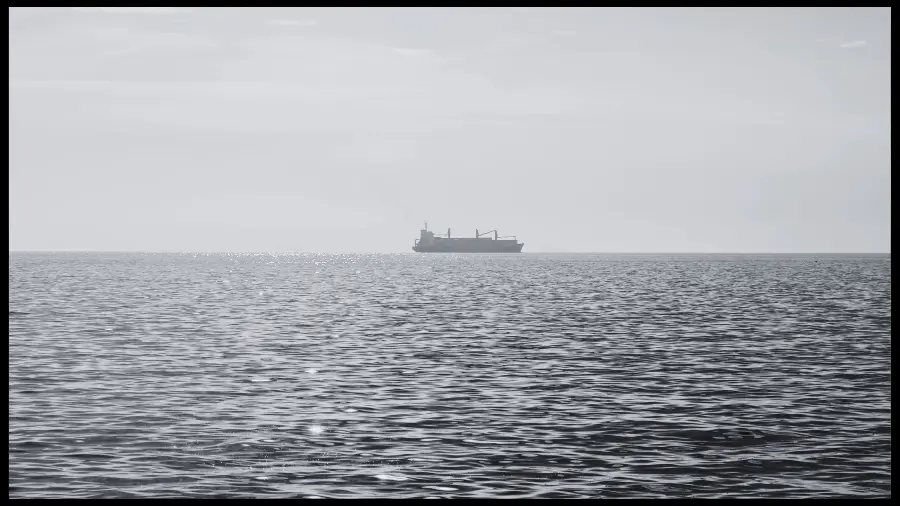
A reported drone and unmanned surface vehicle incident damaged the Suezmax Elbus while transiting the Black Sea off Turkey, with no injuries or pollution reported. Even when an event stops short of a spill, the commercial impact tends to show up quickly through higher war-risk pricing, tighter voyage instructions, and more conservative go/no-go decisions near contested corridors.
Subscribe to the Ship Universe Weekly Newsletter
Click here for 30 second summary
A Suezmax gets damaged off Türkiye, and Black Sea risk stays expensive
A drone-related incident was reported to have damaged the Suezmax Elbus about 30 miles off Türkiye’s Black Sea coast, prompting a diversion toward the shoreline and inspection activity. Initial reports said there were no injuries or pollution, but the event reinforces that near-coast Black Sea transits can still carry high-consequence risk.
-
The visible shipping effect
Diversions, anchoring for checks, and tighter voyage instructions add time risk even when the ship remains afloat and stable. -
The cost channel
War-risk quoting and counterparty scrutiny tend to move quickly after new incidents, raising all-in voyage cost and reducing scheduling confidence. -
The next confirmation points
Watch whether similar incidents repeat near Türkiye’s coastline, whether war-risk ranges drift higher, and whether more ships show longer inspection or waiting patterns in AIS tracks.
Even without a spill, a kinetic event can tighten the market through delay, uncertainty, and higher risk pricing, which is why Black Sea exposure often gets repriced faster than the physical damage suggests.
| Signal | Incident facts (reported) | Operational effects seen first | Commercial impact path |
|---|---|---|---|
| Vessel + class | Elbus, Palau-flagged Suezmax, reported ~159,062 dwt and built in 2005. | Immediate focus shifts to hull/structure check, seaworthiness, and controlled movement to inspection. | A single incident can lift friction pricing for similar voyages even before rates formally reset. |
| Where it occurred | Reported about 30 miles off Turkey’s Black Sea coast while the ship was eastbound. | Traffic often hugs more conservative tracks afterward, with heightened watch and lower tolerance for anomalies. | Risk perception rises most in the near-coast corridor where shipping expects less room for error. |
| Damage profile | Damage reported to the upper section; no injuries or pollution reported at the time of coverage. | Owners and charterers tend to add extra condition reporting and tighter incident-response workflows. | Even without a spill, the event can widen the premium between clean-chain and higher-scrutiny tonnage. |
| Immediate ship movement | Tracking described a sharp diversion toward the Turkish coastline; later reported anchored off İnebolu for inspection. | Voyage instructions typically turn more conservative: higher alert posture, tighter bridge routines, more frequent reporting. | Delays and diversions translate into missed laycans, repositioning costs, and more schedule buffer being priced in. |
| Attribution status | No official attribution in the initial reporting; responsibility not confirmed. | Uncertainty itself increases caution because counterparties cannot confidently bound where risk concentrates. | Markets often react more to repeatability than to confirmed authorship in the first cycle. |
| Cargo / destination angle | Local reporting linked the voyage to a Russian Black Sea port call (Novorossiysk referenced). | Operators become more selective about port calls, timing windows, and exposure near high-scrutiny terminals. | More checks and cautions can tighten effective supply by stretching voyage time even if fleet count is unchanged. |
| War-risk cost tail | Recent Black Sea drone incidents have been associated with higher war-risk pricing and faster underwriter review cycles. | Underwriters may shorten quote validity and request more detail on routing, port exposure, and documentation completeness. | War-risk premiums and delay buffers can raise the all-in voyage cost and encourage more conservative scheduling near contested corridors. |
Why the commercial impact shows up even when the casualty count is zero
Reporting around the Elbus incident describes damage from a drone-related attack off Türkiye’s Black Sea coast, followed by a diversion toward the coastline and inspection activity, with no injuries or pollution reported. In tanker markets, the “aftershock” is usually priced through time and insurance: more conservative routing and bridge posture, more scrutiny from counterparties, and war-risk quoting that can move quickly after fresh incidents.
The three fast channels markets use to reprice this kind of event
War-risk and quote validity get tighter
After attacks in the Black Sea, industry reporting has described additional war-risk premiums for certain calls moving higher and being revisited more frequently as conditions change.
Voyage instructions become more conservative
Even without a spill, the incident tends to trigger a “lower tolerance for anomalies” stance: tighter watchkeeping, more reporting cadence, and less willingness to accept delays close to contested corridors.
Effective supply tightens via delay risk
More time lost to diversions, inspections, and slower decision cycles reduces the number of vessels that can be confidently scheduled in the same window.
Cost lens: war-risk + delay sensitivity per voyage
Hull value proxy (USD)
$70,000,000
Additional war-risk premium for the voyage (percent)
0.80%
War-risk cover period assumed (days)
7 days
Extra delay from caution, checks, or diversion (days)
1.5 days
Daily operating + charter time value (USD/day)
$28,000/day
War-risk cost (one cover period): $0
Delay cost: $0
All-in “incident friction” proxy: $0
This lens is for scale: it translates premium percent and added days into dollars.
Cost stack (share of the total)
“Baseline ops” is shown only to keep the stack intuitive; it is not an additional charge caused by the incident.
The practical “tightening” pattern after a near-coast incident
- More conservative routing close to shore and fewer discretionary deviations near the contested corridor.
- Higher sensitivity to AIS gaps or identity ambiguity when counterparties are deciding whether to fix a ship.
- Shorter “decision windows” for chartering, because risk conditions can change and quotes can be revised.
- A wider gap between low-friction ships and vessels that require longer review cycles before nomination.
Watchboard signals that confirm whether risk stays “priced in”
- Whether additional incidents occur near Türkiye’s Black Sea coastline, not only at distant terminals.
- War-risk ranges being quoted for Black Sea calls and how quickly underwriters revisit them after new events.
- More anchorage/inspection time showing up in AIS tracks, reducing scheduling confidence for prompt windows.
- Any change in port-call patterns into Russian Black Sea terminals referenced in reporting around the ship’s voyage.
We welcome your feedback, suggestions, corrections, and ideas for enhancements. Please click here to get in touch.