Arctic Metagaz Sinks and Russia’s LNG Fleet Starts Rerouting as Risk Premium Jumps
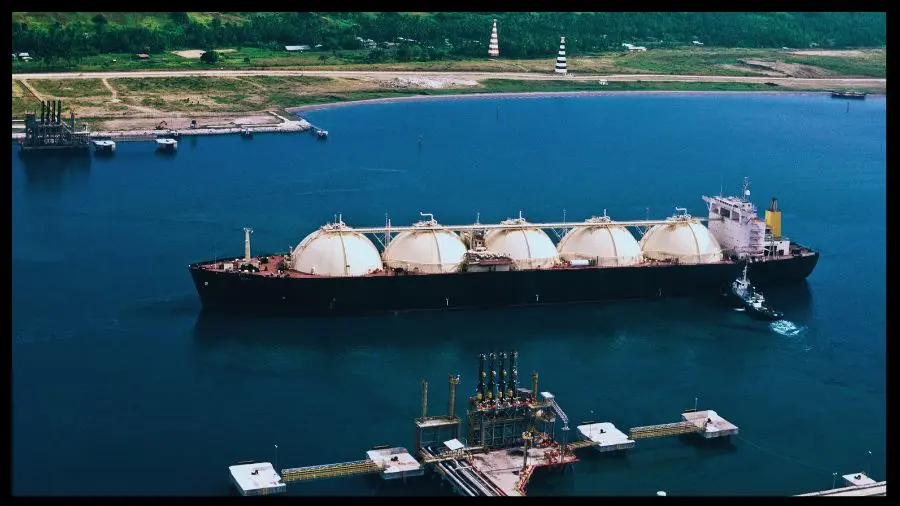
A sanctioned Russian LNG carrier, Arctic Metagaz, has now sunk after an explosion and fire in the central Mediterranean, and the immediate follow-on signal is operational: other Russian LNG tonnage is changing behavior, including route adjustments away from the Mediterranean and more cautious transits near key junction points. When a single high-profile casualty hits a thin, sanction-constrained fleet, the shipping impact shows up fast through reroutes, longer voyages, and tighter availability for compliant tonnage.
Subscribe to the Ship Universe Weekly Newsletter
Click here for 30 second summary of the full piece ▶
Sanctioned LNG carrier loss triggers reroutes and hesitation
Arctic Metagaz, a Russian-flagged LNG tanker under Western sanctions, exploded, caught fire, and later sank in the central Mediterranean, with all crew reported rescued. The casualty is already reshaping Russian LNG voyage planning, with other sanctioned-linked tonnage altering routes and reducing exposure in the same waters.
- Casualty confirmed: explosion and sinking reported near Libya, crew recovered.
- Fleet behavior shift: other Russian LNG carriers begin rerouting or idling near critical junction points after the incident.
- Shipping signal: longer routing and higher risk premium tighten effective LNG carrier supply, even if nominal vessel counts do not change.
A high-profile loss inside a sanction-constrained LNG fleet raises the cost of transit confidence: more reroutes, longer voyages, and a tighter prompt tonnage picture that can lift freight and widen delivery uncertainty.
| Fast reader take | Confirmed event | Operational reaction | Negative shipping consequence | Shows up first | Closest stakeholders |
|---|---|---|---|---|---|
| Sanctioned LNG carrier loss becomes a fleet-wide stress test |
Arctic Metagaz exploded, burned, and sank in the central Mediterranean, with crew reported rescued.
Explosion and fire
Sinking
Crew recovered
|
Owners and operators reassess route exposure, insurance posture, and willingness to accept similar voyages. | Fewer prompt ships are effectively available for certain routes, tightening supply and lifting risk premium. | Voyage holds, sudden AIS pattern changes, and schedule slippage around Mediterranean junction points. | LNG shipowners, charterers, traders, insurers, maritime security desks. |
| Rerouting begins quickly after a high-profile incident |
Other Russian LNG tonnage was reported changing routing after the sinking.
Route switch
Avoidance behavior
|
Cape routing or longer detours become the default when confidence drops for a corridor. | Longer voyages increase ton-mile demand and reduce fleet productivity, which can push freight higher. | Detour declarations, revised ETAs, and longer ballast legs. | Chartering teams, fleet schedulers, terminals, downstream buyers. |
| Sanctions status adds friction to rescue, port calls, and services |
Arctic Metagaz is listed as sanctioned by multiple Western authorities and tracked as a sanctioned vessel by ship databases.
Sanctioned tonnage
Service access risk
|
Port services, trading counterparties, and insurers tighten controls and demand more checks. | Slower execution and higher transaction friction, with more cancellations and fewer fallback options when things go wrong. | Delays in assistance coordination, uncertain port acceptance, and increased administrative lead times. | Agents, legal and compliance teams, P&I, war-risk underwriters, salvors. |
| Floating storage and idling become a visible signal |
Reporting indicates at least one Russian LNG tanker idled near Port Said after the incident period.
Idling
Junction-point hesitation
|
Ships pause while risk guidance, approvals, and route decisions catch up. | Cargo delivery uncertainty rises and supply timing becomes less predictable for receiving terminals. | AIS stops, slow steaming, and loitering close to chokepoints or staging areas. | LNG buyers, regas terminals, shipping coordinators, traders. |
Reroute economics for LNG carriers after a corridor shock
After a casualty and elevated security risk, the first practical response is often a longer route. That reduces fleet productivity. This tool sizes the operational penalty of a detour using your own assumptions for extra days, daily hire, and LNG boil-off.
Operational signals already visible after the sinking
- Confirmed loss: Arctic Metagaz sank after explosions and fire, with crew rescued.
- Route change behavior: at least one Russian LNG tanker was reported switching route after the incident, opting to avoid the Mediterranean and go around Africa.
- Junction-point hesitation: separate reporting showed sanctioned-linked LNG tonnage idling near Port Said shortly after the incident period.
LNG logistics are fleet-day constrained. Add days and you remove available trips from the same hull count, which can tighten prompt availability quickly.
Detour cost and boil-off lens
Enter the extra days versus the original route and your commercial assumptions. Outputs show incremental time cost and an estimated cargo loss from boil-off.
When sanctioned LNG tonnage reroutes, the system effect is fewer effective ship-days available. That can tighten the market quickly, lift freight, and increase delivery uncertainty, even if total LNG production remains unchanged.
We welcome your feedback, suggestions, corrections, and ideas for enhancements. Please click here to get in touch.