Antwerp Bruges Vessel Traffic Squeezed as Pilot and Control Actions Trigger Queue Build
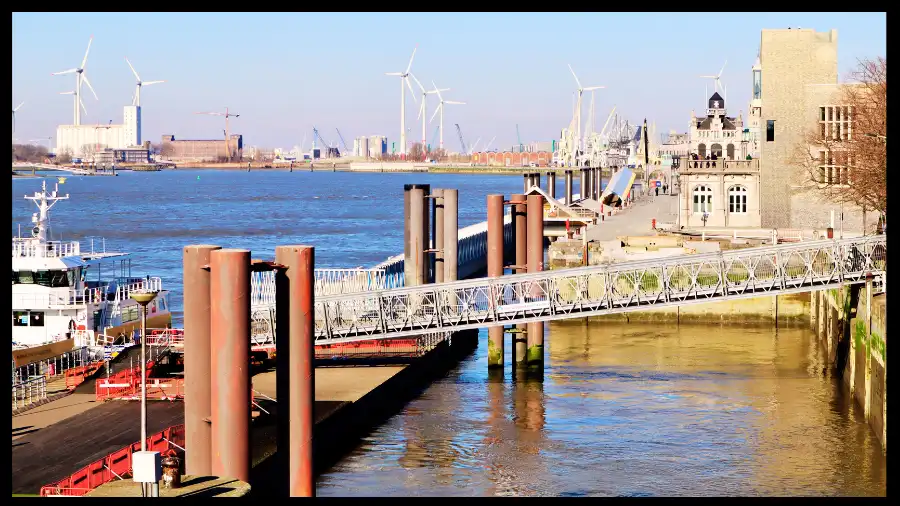
Strike-driven constraints are now showing up as a hard nautical bottleneck at Antwerp-Bruges, not just slower terminal work. With pilot availability and traffic-center coverage disrupted, seagoing inbound and outbound movements have been suspended in key windows and then partially restored under narrow conditions, leaving a growing backlog offshore and a second-wave risk for inland and terminal planning. The port’s own updates show dozens of ships waiting to enter and depart, which is the kind of queue that takes days to unwind even after movements restart.
Subscribe to the Ship Universe Weekly Newsletter
Click here for 30 second summary of the full piece ▶
Strike constraints push Antwerp Bruges into queue mode
Industrial action has constrained pilot deployment and traffic-center operations, forcing full suspensions for seagoing inbound and outbound movements in key windows and then partial reopening under limited conditions. The port’s live updates show a backlog building quickly, with dozens of vessels waiting to enter and depart.
- Operational reality: locks and dock moves can continue, but river and sea passage is the gating layer when pilot and traffic services are restricted.
- Queue signal: port updates showed 50 inbound and 33 outbound waiting for Antwerp in the latest morning update.
- Near-term risk: clearing the backlog takes time even after movements restart, creating a second wave of terminal and inland timing friction.
When nautical movement capacity is constrained, the backlog becomes the story: delays compound, schedule reliability drops, and the recovery period can last longer than the disruption window itself.
| Fast reader take | Navigation status snapshot | Binding constraint | Negative shipping consequence | Shows up first | Closest stakeholders |
|---|---|---|---|---|---|
| River and sea passage becomes the limiter |
Seagoing access can be suspended during strike windows, then partially reopened under limited pilot availability.
pilot constraint
traffic center constraint
|
Pilot deployment and traffic-center coverage control whether ships can safely transit to and from the river approaches. | Arrivals bunch, departures stall, and schedule reliability breaks quickly across multiple services. | Offshore holding lists and sudden changes to ETA confidence. | Masters, agents, carriers, port planners. |
| Backlog jumps into multi-day territory fast |
Latest morning status showed 50 inbound and 33 outbound waiting for Antwerp.
50 inbound
33 outbound
queue growth
|
Even after restart, daily movement capacity is finite, so clearing time stretches beyond the disruption period. | Extended waiting time, rolled windows, and increased knock-on delays at subsequent ports. | Anchoring time, berth window revisions, missed cutoffs. | Liner operators, tramp operators, charterers, shippers. |
| Dock and lock activity can continue but does not fix the bottleneck |
Port updates noted locks remain available and ship moves within docks can continue while river passage is constrained.
locks available
dock moves continue
|
Internal moves do not translate into export or import flow if seagoing passage is throttled. | Yard density rises and terminal planning becomes more fragile as arrivals come in waves. | Yard utilization, reefer plugs pressure, barge and rail slot disruption. | Terminals, inland operators, depot planners. |
| Draft and route limits can gate larger ships |
Advisories described draft-based restrictions and route constraints during the action window.
draft gating
route limitation
|
Larger draft vessels can be more exposed to timing constraints when routing options and pilot resources are limited. | Higher sensitivity for deep-draft arrivals and departures, increasing reschedule risk for large ships. | Tidal window changes and revised pilotage plans. | Deep-sea carriers, pilots, nautical coordinators. |
| National strike day adds another disruption risk layer |
A national strike day is scheduled for 12 March, with further disruption expected.
12 March
disruption risk
|
Recovery can be interrupted by a second wave, extending the clearing period. | Stop-start operations create the worst queue behavior because vessels keep arriving while throughput is inconsistent. | Backlog clearance rate and re-anchoring events. | Network planners, customer service, cargo owners. |
Backlog recovery is the real cost driver after a nautical constraint
Even if terminal work continues, the queue only clears when inbound and outbound movements resume at scale. This tool sizes backlog clearance time and a simple delay-cost estimate using your own assumptions.
Signals worth watching during the recovery window
- Waiting lists: the port’s live status has shown dozens of inbound and outbound vessels queued for Antwerp during the disruption window.
- Pilot availability: partial reopening conditions and pilot constraints can keep throughput below normal even after “operational again” notices.
- Second-wave risk: a national strike day scheduled for 12 March adds a stop-start risk to the clearing process.
Backlog clearance and delay cost tool
Enter current waiting counts and an expected daily clearance pace. Optional fields estimate cost of delay per vessel per day.
Once queues form at a gateway like Antwerp-Bruges, the recovery window becomes the main performance risk. Even modest stop-start interruptions can stretch clearance time and amplify downstream schedule and inventory impacts across Northern Europe networks.
We welcome your feedback, suggestions, corrections, and ideas for enhancements. Please click here to get in touch.