A Two Billion Dollar VLCC Reset for Frontline
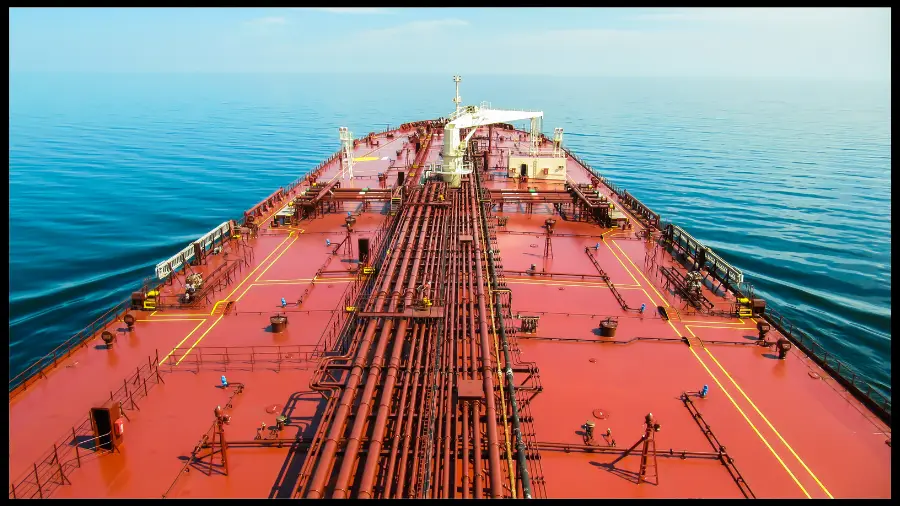
Frontline is using a sell-and-replace move to reset its VLCC cost curve: it has agreed to sell eight 2015–2016-built first-generation ECO VLCCs for $831.5m (deliveries scheduled Q1 2026) while simultaneously agreeing to acquire nine latest-generation scrubber-fitted ECO VLCC newbuilding contracts for $1.224bn, with deliveries weighted into H2 2026 through H1 2027. The trade is a clear signal that big tanker owners are prioritizing fuel economics + emissions profile without waiting for a perfect rate cycle.
Subscribe to the Ship Universe Weekly Newsletter
Click here for 30 second summary
Frontline resets its VLCC curve in one read
Frontline agreed to sell eight 2015 to 2016-built first-generation ECO VLCCs for $831.5m with deliveries in Q1 2026, and to acquire nine latest-generation scrubber-fitted ECO VLCC newbuilding contracts for $1.224bn. Seven of the newbuildings are due in 2026 starting Q3, then one in Q1 2027 and one in Q2 2027, with acquisition payments weighted toward delivery.
-
Market read
A big owner is leaning into modern, fuel-flexible VLCC tonnage at firm pricing, raising the performance reference point for the segment. -
Where the ripple shows up
Asset pricing benchmarks, charterer tender preferences, and the spread between older ECO ships and newest scrubber-fitted designs. -
Next items to watch
Execution through a clustered delivery window, plus how fuel spreads and long-haul crude patterns shape the value of scrubber optionality.
This is a fleet-quality upgrade that can move competitive behavior before the vessels arrive, because it tightens the cost curve for a major VLCC operator and reshapes what “modern” looks like in chartering comparisons.
| Signal | Deal facts (reported) | Operational effects seen first | Commercial impact path |
|---|---|---|---|
| Size of the reset | 8 VLCCs sold for $831.5m total, paired with 9 scrubber-fitted ECO VLCC newbuild contracts acquired for $1.224bn. | Fleet planning shifts from “keep tonnage working” toward “tighten fuel and emissions performance across the core segment.” | Creates a visible benchmark for modern-tonnage pricing and raises the bar for what charterers expect from top-tier VLCC supply. |
| Assets sold | Eight oldest first-generation ECO VLCCs, built 2015–2016; delivery to buyer scheduled during Q1 2026. | Frontline exits the oldest tranche of its ECO VLCC profile, lowering the probability of “fuel penalty” comparisons on long-haul routes. | Supports a wider market spread between older ECO and newest ECO + scrubber tonnage as efficiency becomes more priced-in. |
| Cash release | Net cash proceeds guided at about $486m after debt repayment; expected Q1 2026 accounting gain guided at ~$217.4m–$226.7m. | More balance-sheet flexibility for delivery instalments and debt structuring, without waiting for a multi-quarter freight upswing. | Signals that owners will recycle capital into “spec premium” assets when pricing is firm, even in a choppy rate tape. |
| Where the newbuilds sit | Six contracts under construction at Hengli and three at Dalian (China), acquired from an affiliate of Hemen Holding. | Frontline adds exposure to the newest VLCC designs without a fresh orderbook slot hunt. | Highlights how control of contracts and slots can matter as much as ordering newbuildings outright. |
| Delivery window | 7 deliveries due in 2026 starting Q3, then 1 in Q1 2027 and the last in Q2 2027 (as guided). | Capacity uplift arrives in a relatively tight window, so crewing, technical ramp-up, and commercial cover become immediate execution items. | Delivery timing can influence rate sensitivity: if rates strengthen into arrivals, modern tonnage captures upside faster. |
| Fuel and emissions edge | Acquired contracts are described as latest-generation, scrubber-fitted ECO VLCCs. | Stronger HSFO optionality under spread volatility, plus improved consumption and voyage economics relative to older ECO designs. | Charterers tend to reward predictability: tighter performance reduces “voyage model dispute” risk and improves bid competitiveness. |
| Supply optics | Company messaging frames the move as raising VLCC exposure “without adding overall vessel supply.” | The practical result is compositional, not net fleet count growth, which matters for market balance narratives. | Supports the idea that “fleet quality” competition can intensify even when headline supply growth stays constrained. |
| Post-transaction mix | Frontline guides to 81 vessels post-completion: 42 VLCC, 21 Suezmax, 18 LR2/Aframax. | VLCC weighting increases the company’s exposure to long-haul crude flows and the rate volatility that comes with them. | A more VLCC-heavy profile can amplify market signals from MEG–Asia, Atlantic basin dislocations, and geopolitically driven ton-mile shifts. |
Asset rotation moves the market even before the ships arrive
Frontline is swapping out 10-year-old first-generation ECO VLCCs for latest-generation scrubber-fitted ECO newbuilding contracts. The immediate signal is not more VLCCs tomorrow, but a higher performance reference point for the segment.
Sell 8 (2015 to 2016-built) VLCCs in Q1 2026 for $831.5m, then take delivery of 9 scrubber-fitted ECO VLCC newbuilding contracts starting Q3 2026 through Q2 2027 for $1.224bn, with most payments weighted to delivery.
The fleet curve signal
This is a clear bet that “latest generation + scrubber optionality” stays commercially relevant. Even if spot rates wobble, the competitive set shifts because modern tonnage can price freight with more confidence when fuel spreads swing.
The charterer lens
Chartering desks tend to reward predictability on long-haul crude runs. When a ship’s fuel and emissions profile is easier to model, it reduces disputes around voyage economics and supports cleaner commercial execution.
Supply optics
Frontline describes the renewal as increasing VLCC exposure without adding overall vessel supply. In practice, this is a composition shift that can still tighten competition by raising the “minimum standard” of top-tier VLCC supply.
Execution focus
Seven deliveries fall in 2026 starting Q3, then one in Q1 2027 and one in Q2 2027. A tight delivery block pushes attention to crewing, technical ramp-up, and commercial cover into a narrow window.
Timing tape and balance-sheet tape
The sales leg produces guided net cash proceeds of about $486m after debt repayment, while the acquisition leg is weighted toward delivery. That combination tends to matter because it reduces the “carry pain” between signing and arrival.
| Stakeholder | What changes first | What gets priced next | What becomes a reference point |
|---|---|---|---|
| Owners | Asset pricing benchmarks for modern VLCCs, plus sharper spreads between older ECO and latest-generation specs | Cost of capital discipline and delivery-risk discounts during clustered arrivals | Sale price levels for 2015 to 2016 ECO tonnage and replacement cost logic |
| Charterers | Preference signals in tenders when fuel spread volatility is high | Premium for predictable performance and fewer voyage-econ disputes | A more explicit “minimum spec” for long-haul crude employment |
| Shipyards and suppliers | Visibility that contract positions and resales can move quickly at scale | Execution credibility and delivery schedule reliability in 2026 to 2027 | China yard delivery pace as part of the modern VLCC story |
| Investors and lenders | Signal of capital recycling at firm pricing with guided gain and cash proceeds | Debt terms and delivery-weighted payment management | How “fleet quality” ties to cash generation across the cycle |
Fuel delta per voyage
$0
Fuel delta per year
$0
Implied edge per sea day
$0
Efficiency add-on value
$0