Sea Japan 2026 Review: Where Japan’s Shipbuilding Plans Get Real
Tokyo turns into a working shop floor for shipbuilding and fleet upgrades. Sea Japan 2026 brings owners, yards, and tech teams into one campus so you can compare retrofit paths, see real hardware, and lock dates with engineering leads. Walk the West Halls with a short list of goals and leave with trials, pricing frames, and a cleaner plan for 2026 work.
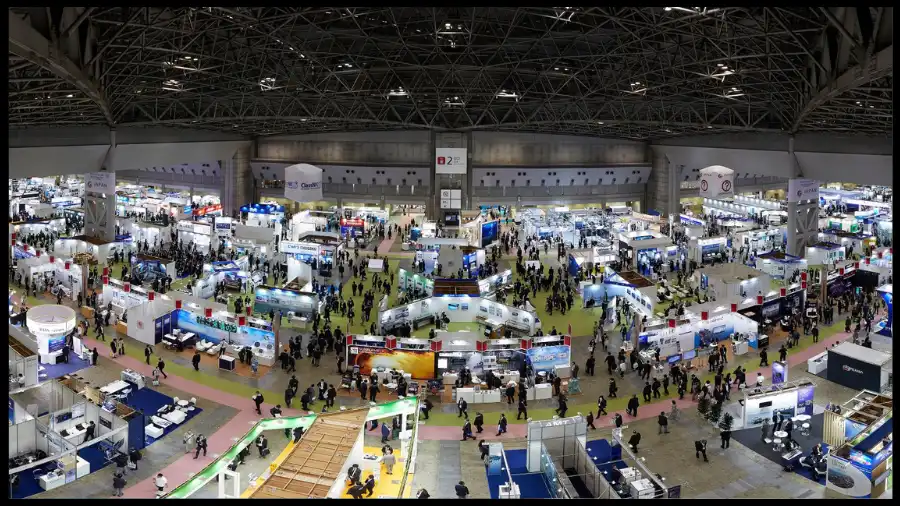
Sea Japan 2026 — Event Snapshot
What sets Sea Japan apart
Japan’s flagship maritime show brings shipbuilders, owners, and technology suppliers into one campus. Use it to compare retrofit options, validate class and regulatory pathways, and coordinate suppliers for Japan-focused projects.
Shipbuilding and yards
Discuss dock slots, method statements, warranty, and delivery windows with Japan’s major yards and suppliers.
- Hull and propulsion upgrades
- Turnaround and laydown constraints
- Class approvals and documents
Energy transition
Fuel efficiency kits, electrification for coastal and workboat segments, and port-side power solutions sized for Japan.
- Payback ranges and capex timing
- Grid and berth limitations
- Safety and HSE integration
Digital and automation
Performance platforms, sensors, satcom, and automation demos aligned with operations and reporting.
- API lists and data checks
- Alert logic and ETA guidance
- Fleet rollups and audit trails
Meetings that convert
National pavilions make it easy to target suppliers. Keep meetings short, with a clear next step and an owner.
- Trial, audit, or pricing follow-ups
- Engineering contacts and sample data
- Two-week post-show call plan
Track planner
- Dry dock windows and method statements
- OEM warranty coverage
- Spares and lead times
- Air lubrication and prop upgrades
- Hull performance and coatings
- Voyage optimisation
- Sensor stacks and connectivity
- Data quality for reporting
- Integration with PMS and noon reports
- Terminal equipment and automation
- Shore power and alternative fuels
- Safety and training solutions
Registration
Get your badge and plan West Hall walks for morning demos and afternoon comparisons.
- Exhibition access across West Halls 1–4 and Atrium
- Conference and co-located zones
- Networking lounges and pavilion showcases
Practical notes
Arrivals and access
- Rinkai Line to Kokusai-Tenjijo or Yurikamome to Tokyo Big Sight
- Badge pickup opens before 10:00; bring photo ID
- Plan buffer time on day one morning
Make the floor work
- Block 60–90 minutes daily for demos and specs
- Collect API lists, integration notes, and warranty terms
- Leave each stand with one clear next step
Owner playbook
- Carry vessel profiles and CII baselines
- List retrofit windows by ship and port
- Confirm trial or audit dates before day three
National pavilions
- Batch meetings by country to compress walk time
- Ask for engineering owners and reference installs
- Capture pricing frames and lead times
Tokyo quick guide
🧭 Essentials
- Card and contactless widely accepted
- Expect light showers; carry a compact umbrella
- English signage throughout the venue district
🚆 Getting around
- Rinkai and Yurikamome lines serve the venue
- Use taxis or rideshare for late evenings
- Covered walkways link halls and eateries
🏨 Hotel areas
- Ariake/Odaiba for walkable access
- Shimbashi/Ginza for dining and quick transit
- Tokyo Station area for airport and Shinkansen links
🍴 Dining & breaks
- Department-store food halls for fast lunches
- Waterfront walks near Odaiba in the evening
- Short breaks at nearby parks and plazas
Treat the three days like a project sprint. Prioritise two upgrades per vessel class, capture like-for-like specs at each stand, and assign an owner and next step before you exit the hall. Use mornings for demos, afternoons for comparisons, and the final day to confirm audits or dock windows. Send a one-page recap to your team on the flight home so decisions move from show floor to scheduled work.