Marine Log Tugs, Towboats and Barges 2026 Review
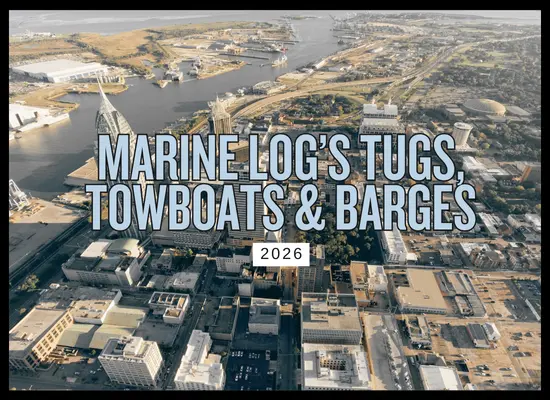
Mobile’s towing and barge market meets in one room. Marine Log’s Tugs, Towboats & Barges 2026 is built around practical operator decisions: compliance and cybersecurity posture, where automation is paying off, modernization tradeoffs, and the revenue and workforce shifts reshaping inland and coastwise operations.
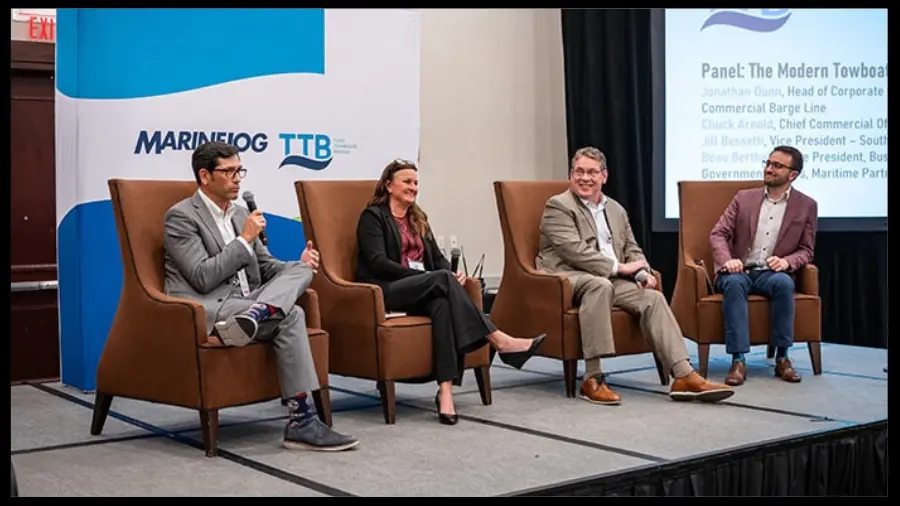
Marine Log Tugs, Towboats & Barges 2026 — Event Snapshot
March 10–11, 2026What makes it different
Tug, towboat, barge onlyThe strongest value is operational specificity. Panels and hallway conversations stay anchored in inland, harbor, and coastal towing realities, where downtime, crew workflow, and compliance exposure show up as immediate cost and scheduling impact.
- Pressure-test modernization plans against downtime, parts support, and crew training constraints.
- Benchmark cyber readiness and risk controls against what peers and regulators are expecting now.
- Validate vendor claims with operator references and deployment details, not brochure language.
2026 week game plan
March 10–11, 2026 • MobileTTB is compact and operator-focused, so the best outcomes usually come from treating it like a two-day decision sprint: confirm priorities, validate options, and leave with named owners and timelines for follow-up.
- Early-bird savings window: late pricing deadline noted for February 13, 2026
- Hotel block close: February 15, 2026 (subject to availability)
- Conference dates: March 10–11, 2026
- Top 3 operational constraints (uptime, crew, parts, dispatch, fuel)
- Current stack summary (electronics, comms, monitoring, cyber controls)
- Modernization window and constraints (drydock, downtime tolerance)
- Where does downtime originate most often and what is the real fix path?
- What does “secure enough” look like for the current operating environment?
- Which retrofit delivers the highest operational leverage in 6 to 12 months?
- What is the integration path with existing systems and crew workflow?
- What evidence exists from real deployments, not pilots?
- What does support look like when something fails at 2 a.m. on a working boat?
- Two vendor options narrowed to one shortlist with clear tradeoffs
- A retrofit or yard timeline aligned to realistic downtime
- Named owner and scheduled follow-up within two weeks
- “Great demo” but no integration or support detail
- Cyber controls unclear across vendors and remote access
- Lifecycle cost assumptions not tied to real duty cycle
- One-page “current state” shared with two suppliers
- Peer reference call scheduled for a specific solution
- Draft implementation sequence for the next quarter
Practical notes for Mobile and the downtown footprint
Renaissance Riverview PlazaThe hotel sits on the downtown waterfront, with nearby meeting-friendly spots within a short walk. The compact layout supports quick transitions and more short, high-signal conversations.
- Mobile Regional Airport (MOB): the primary commercial airport for Mobile.
- Mobile Downtown Airport (BFM): a nearby option for some operators and charter movements.
- Rideshare and taxis are the simplest downtown transfers for short schedules.
- Downtown lodging keeps transitions short and protects meeting density.
- Waterfront and central-downtown zones tend to work well for quick coffee meetings between sessions.
- Early mornings are smoother when breakfast and first meetings are kept within the venue footprint.
- Downtown’s compact grid supports short debrief dinners after the last sessions.
- Short, pre-scheduled dinners tend to preserve morning clarity for day-two decisions.
- A fixed closeout slot each night increases follow-up quality and reduces lost action items.
- Top 5 counterparties confirmed with time and location
- Vendor short list and the 3 comparison questions that matter most
- Closeout block reserved to capture decisions and owners
- One-page fleet and priorities brief ready to share
- Current system map noted (electronics, comms, monitoring, cyber)
- Follow-up calendar holds prepared for the next two weeks
We welcome your feedback, suggestions, corrections, and ideas for enhancements. Please click here to get in touch.