HomeArgus Green Marine Fuels Europe Conference 2026 Review
Argus Green Marine Fuels Europe Conference 2026 Review
February 20, 2026
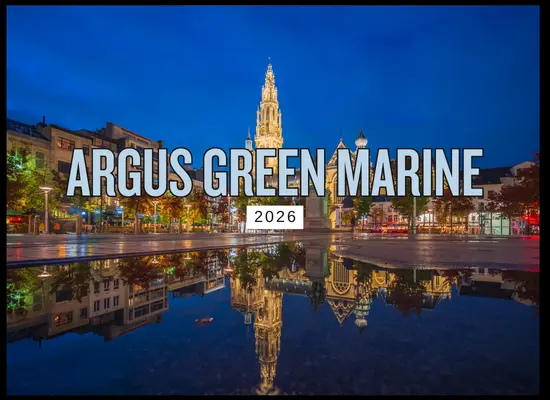
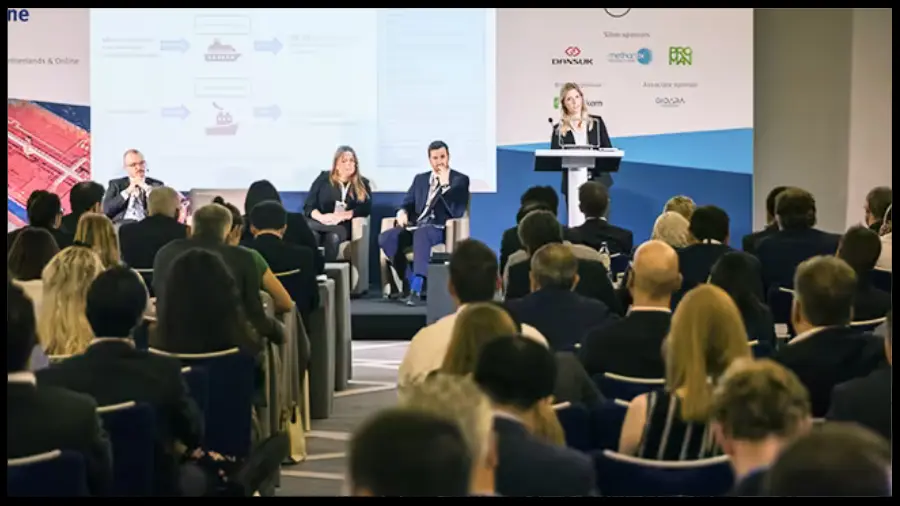
Argus Green Marine Fuels Europe is a working conference for the people trying to make low and near-zero carbon marine fuels real in Europe: specs, certification, book-and-claim mechanics, supply chains, and how port and ship operators actually execute bunkering and reporting without breaking operations. Antwerp is a strong fit for this topic because it is a major European energy and bunkering hub and the agenda is built around commercialisation, not just ambition.
⛽
Argus Green Marine Fuels Europe Conference 2026 — Event Snapshot
Apr 28–30, 2026
Dates
April 28–30, 2026
City
Antwerp, Belgium
Format
Conference plus an operator-focused workshop day and evening networking
Core focus
Commercialising green marine fuels across Europe: specifications, certification, supply chains, circular operations, and compliance alignment
Program rhythm
Workshop and welcome drinks on Apr 28; main conference sessions on Apr 29–30
Networking add-on
Optional Port of Antwerp bus tour offered as an add-on, ahead of reception windows
Antwerp is a major European energy and port hub, which fits a conference focused on fuel pathways, certification, and practical bunkering execution.
⚓
What makes it different
Commercialisation-first fuel forum
This conference is built around making marine fuel pathways bankable and executable. The strongest value comes from how it connects
fuel specs and certification, supply chain reality, and operational execution at ports and onboard, all in the same three-day arc.
📜
Specifications and certification are central
A good fit for teams trying to align fuel quality, sustainability claims, chain-of-custody, and documentation requirements so procurement and compliance can move together.
🔁
“Circular operations” perspective
Discussions tend to push beyond a single bunker stem into repeatable operating models: contracting, reporting, and continuous supply execution across voyages and fleets.
🏗️
Port reality shows up in the details
Antwerp framing and port touchpoints tend to keep the conversation grounded in bunkering, infrastructure constraints, safety, and implementation sequencing.
🤝
High-conversion networking structure
The workshop day plus receptions and optional site elements are designed to create repeated touchpoints, which helps move from introductions to next-step commitments.
🎯
Best-fit reasons to attend
Fuel buyers and ship operators aligning procurement, claims, and compliance evidence for EU-facing operations.
Suppliers and intermediaries structuring products, certification, and contracting models that scale beyond one-off stems.
Port and infrastructure stakeholders mapping practical execution steps and operational safety constraints.
🧭
2026 week game plan
Apr 28–30, 2026 • Antwerp
Treat this as a three-day alignment sprint. Day 1 is definitions and evidence. Days 2 and 3 are contracting and execution detail.
The best outcomes usually come from leaving with a concrete pathway for supply, claims, and reporting that can be repeated across voyages.
📌
Before you arrive
Write down your target fuel pathway and your acceptable alternates.
Bring your evidence expectations: chain-of-custody, sustainability claims, and audit readiness.
Prepare a simple operating scenario: vessel type, typical route, bunkering windows, and volume ranges.
🧾
Bring a one-page “fuel deal brief”
Fuel type(s), spec boundaries, and compatibility constraints.
Claims and certificates required, and who signs off internally.
Contracting preference: spot, term, options, or blended approach.
🤝
High-conversion meeting loop
Keep meetings short and structured. Aim for a binary outcome: qualified for a proposal, or not a fit.
Then capture the next step on the calendar while stakeholders are in the room.
Suggested time split across three days
Built for definitions, contracting, and execution detail
Workshops and technical alignment
34%
Commercial meetings and contracting
38%
Execution detail and reporting pathway
20%
Daily closeout and follow-up capture
8%
The highest ROI usually comes from meetings that result in a draft term sheet, a pilot stem plan, or an agreed documentation pathway.
🗓️
Three-day flow that fits Argus Green Marine Fuels
Day 1
Lock definitions and evidence. Align on claims language, chain-of-custody, certificates, and what an auditor would accept.
Good day to map gaps between procurement, compliance, and operations.
Day 2
Commercial and contracting day. Compare pricing structure, availability, and contract terms across suppliers and intermediaries.
Identify the internal approval path and what documents must be produced before commitment.
Day 3
Execution detail day. Move from concept to a repeatable operating model: bunkering workflow, scheduling, custody transfer, reporting,
and how claims travel through systems. Close out with owners and dates.
✅
Conversation prompts that fit this conference
Which certificates and claims are acceptable for our reporting needs?
What happens if there is a documentation gap after bunkering?
Who carries risk for spec variance and quality disputes?
How does the chain-of-custody show up in systems and audits?
What is the execution workflow at the port, step by step?
What is the fastest realistic pilot stem timeline?
🎯
Outcome scoreboard for the week
Green-light outcomes
Documentation pathway agreed and assigned to owners
One supplier shortlist with term and pilot options
Proposed pilot stem defined by port, window, and volume range
Watch-outs
Claims language not aligned with internal reporting needs
Unclear responsibility for disputes and audit gaps
Execution steps depend on future infrastructure with no timeline
Fast wins
One-page “evidence checklist” shared across stakeholders
Two follow-up calls scheduled with procurement and compliance present
Draft pilot scope captured while all parties are on-site
🏙️
Practical notes for Antwerp and the port city rhythm
Antwerp, Belgium
Antwerp is compact and well-connected. Short schedules work best when lodging and meetings stay near the city center and transit nodes,
while port-facing side meetings are grouped into a single block.
City map
Antwerp’s center supports quick meeting loops. Port-area side meetings work best when grouped to avoid schedule fragmentation.
Arrivals and transfers
Brussels Airport and Antwerp rail links can keep transfers predictable for tight schedules.
Antwerp Central Station is a strong anchor point for meetings and lodging selection.
Build buffer time if you are mixing city meetings with port-area site visits.
Staying close
City-center lodging protects meeting density and reduces missed slots.
Choose a base that supports early starts and easy closeouts each evening.
Keep one block per day reserved for longer supplier deep dives.
Meeting rhythm that converts
End each day with a 20-minute closeout to capture decisions and owners.
Schedule follow-ups while both sides still have the context fresh.
Keep documentation questions in the meeting, not in email later.
✅
Night-before checklist
Top meetings confirmed with a clear objective per meeting
Evidence checklist ready to share with suppliers and counterparties
One closeout slot reserved for follow-up scheduling
Draft pilot stem scenario prepared: port, window, volume, constraints
Internal sign-off path mapped: who needs to be comfortable to commit
Follow-up calendar holds staged for the next two weeks