When Tension Spikes: Key Strategies that Cruise Lines use to Reroute Fast
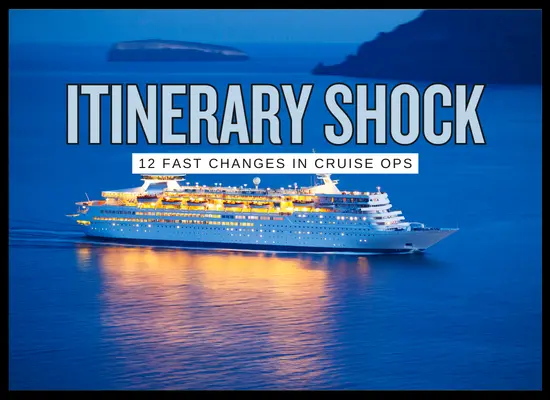
Cruise itinerary risk under Iran tension is not theoretical right now. The pattern is fast and operational: cancellations and holds happen first, then air-travel disruption forces embark changes, then insurance availability and conditions start deciding where passenger ships can and cannot comfortably operate. The result is a short list of repeatable itinerary changes that show up before the wider market has fully digested what is happening.
| # | Change happening fast | Implied Reason | Triggers in cruise ops | Stakeholder watchouts | Impact tags |
|---|---|---|---|---|---|
| 1 |
Immediate itinerary cancellations in the Middle East window
The first move is usually to pull near-term sailings that touch Gulf ports.
|
Rapidly changing security guidance and passenger-travel disruptions create a high risk of failed embarkation and operational uncertainty. | Refund and rebooking waves, redeployment discussions, and fast substitution planning for ships that cannot run their published loops. | Watch cancellation cadence and cutoff dates. Short windows create high call-center load and high reputational sensitivity if communication lags. | Schedule Demand |
| 2 |
Ships held alongside instead of sailing
A conservative “wait posture” while guidance and coverage clarify.
|
Operators avoid transits when risk posture rises and when official guidance points to keeping vessels in safer port positions. | Port stay extensions, onboard schedule reshuffles, guest compensation decisions, and cascading slot conflicts at the next ports in the loop. | Holding costs show up in port charges, supplies, and crew planning. The bigger risk is the domino effect on subsequent port reservations. | Operational Risk posture |
| 3 |
Embarkation and disembarkation logistics disrupted by airspace closures
Flights fail first, then cruise check-in fails.
|
Airspace closures and flight cancellations strand passengers and delay crews, which undermines the basic mechanics of getting people onto ships. | Homeport swaps, delayed departures, shortened port calls, and emergency hotel and transfer arrangements for guests who cannot reach the ship. | The itinerary might still be safe, but becomes commercially unworkable if guests cannot reliably arrive. Watch which hubs stay closed longest. | Air travel Disruption |
| 4 |
Refund and free rebooking policies go broad
A quick trust move to prevent brand damage.
|
Operators reduce friction when disruption is outside passenger control. It is also a pressure valve for call centers. | Yield reshaping as bookings move to other itineraries, plus inventory management challenges as the line tries to refill displaced capacity. | Watch the rebooking mix: moving guests to higher-demand sailings can create compensation costs or dilution if the line must discount to place volume. | Customer Yield |
| 5 |
War-risk insurance withdrawal creates no-go zones
Coverage availability becomes an operational gate.
|
Underwriters can cancel war-risk cover for specific waters. Without cover, transiting or calling becomes far harder to justify for passenger operations. | Faster port-call removal, avoidance of certain corridors, and more conservative sailing decisions even before any official closure. | The key is dates and scope of cancellation. Watch effective dates and which waters are named, because that drives immediate schedule decisions. | Insurance Coverage |
| 6 |
Insurance repricing and tighter conditions even where cover exists
The cost and paperwork rise before the route is fully abandoned.
|
As incidents rise, premiums and conditions typically tighten. Even if a ship can still operate, the economics and approvals can turn unfriendly fast. | Higher voyage cost, stricter routing approvals, extra reporting, and pressure to reroute or redeploy ships to reduce exposure. | If costs jump quickly, lines may prefer redeployment rather than price increases mid-season. Watch whether ports become optional add-ons rather than guaranteed calls. | Cost Underwriting |
| 7 |
Gulf port calls become “most likely to be swapped”
Operators keep the sailing if they can, but remove the highest-friction calls.
|
When air access is unreliable and regional risk posture tightens, the lowest-regret move is to preserve the cruise product by substituting ports outside the risk zone. | Rapid port substitutions, longer sea days, or shifting to ports that can absorb volume on short notice. Shore excursion programs get rebuilt quickly around new calls. | The biggest constraint is berth availability elsewhere. When multiple operators do the same swap, alternative ports can fill fast and limit options. | Port swaps Capacity |
| 8 |
Operational “do not transit” posture spreads beyond one itinerary
Risk guidance and insurance terms start shaping fleet rules.
|
Once guidance and war-risk coverage tighten for specific waters, operators tend to standardize a conservative posture across similar deployments rather than treat each voyage as a one-off. | Route avoidance, avoidance of specific corridors, and a shift to ports that do not require transiting higher-risk waters. | Watch whether “avoidance” becomes formal policy. That is when schedule planning locks in a different geography for weeks, not days. | Coverage gate Routing |
| 9 |
Shore excursions tighten first
Even when a call remains, the shore product is often narrowed.
|
Elevated regional risk typically triggers a more conservative duty-of-care posture. The fastest controllable lever is the excursion footprint and time ashore rules. | Shorter tours, limited zones, revised meeting points, more security briefings, and greater reliance on vetted operators and routes. | The commercial drag is that top-selling tours can be pulled, reducing onboard satisfaction and excursion revenue even if the ship still calls. | Shore product Duty of care |
| 10 |
Redeployment ripple effects start within days
A short regional pause can reshuffle weeks of future sailings.
|
Cruise calendars are interlocked. A hold, cancellation, or missed turnaround port quickly collides with the next port reservations, provisioning windows, and crew-change plans. | Ships reposition to different regions, partial-season schedule edits, and knock-on changes to drydock timing and charter blocks. | Watch for “temporary pause” language to shift into “season update” language. That is the signal redeployment is moving from contingency to plan. | Fleet planning Domino effect |
| 11 |
Fuel price volatility starts feeding itinerary economics
Not just higher cost, but higher uncertainty and hedging stress.
|
Middle East disruption risk has already moved crude and gas pricing sharply. Cruise feels this as bunker cost volatility and less confidence in forecast margins. | Faster scrutiny of longer sea-day segments, more conservative speed policies, and tighter focus on at-berth energy practices to protect margin. | The near-term question is not only “fuel is higher” but “fuel can move again quickly,” which changes how aggressively lines price last-minute inventory. | Margin Volatility |
| 12 |
Passenger communications cadence becomes part of operations
The comms tempo rises because uncertainty stays high.
|
When flights, ports, and routing are all moving targets, operators have to update guests more frequently to reduce panic, cancellations, and onboard friction. | More frequent itinerary advisories, clearer refund/rebooking framing, and tighter onboard briefings aligned to security guidance. | Watch whether messaging stays consistent across channels (ship announcements, email, app, agents). Inconsistency is what turns disruption into reputational damage. | Trust Reputation |
When Iran tension spikes, cruise itinerary disruption is rarely one single trigger. It is usually a stack: air access becomes unreliable, insurance terms tighten, port-call feasibility changes berth by berth, and the line is forced into a decision loop that either preserves the sailing with swaps or pauses the program. The interactive scorecard below is designed for that reality.
Score is weighted by your inputs. Use it as a structured checklist for operational posture, not as a prediction.
Scenario settings
These weights tune the score toward your operational reality.
Score and recommended posture
Outputs update instantly as you toggle items.
Weighted score across the 12 change signals.
A practical ops stance based on score and time-to-departure.
The categories most likely to hit first under your weights.
A short list of the next moves that usually reduce operational risk.
High scores usually reflect insurance gating and passenger logistics risk rather than “the ship cannot sail.” That is why port swaps and redeployments show up early.
| # | Signal (toggle) | Category | Default severity | Your weight (0-10) | What to watch |
|---|
The point of this scorecard is not to predict headlines, it is to force clarity on the real gating items that break cruise itineraries first: passenger logistics, insurance coverage, and the ability to substitute ports without collapsing the product. When those inputs move, the right response is usually a controlled swap or a short pause with tight communication, not a last-minute scramble. Used consistently, the scorecard becomes a simple discipline tool: it helps teams act earlier, explain decisions more clearly, and reduce the operational and reputational cost of uncertainty.
We welcome your feedback, suggestions, corrections, and ideas for enhancements. Please click here to get in touch.