OpenTug Review: A single operating system for barge moves
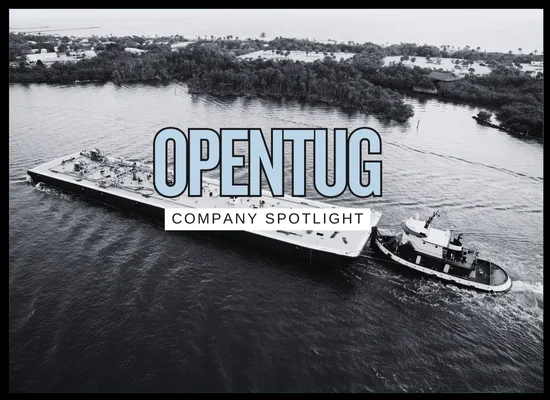
OpenTug is built for a very specific pain point in U.S. inland and coastal shipping: barge freight still runs on a lot of phone calls, emails, and spreadsheets, which is fine until you need faster quoting, cleaner visibility, and fewer “surprise” costs at the terminal. Their focus has shifted toward BargeOS, positioned as a cloud operating system for barge logistics that helps teams quote, schedule, track, and reconcile voyages in one place.
Seattle, WA 98112, USA
- Getting out of “email logistics” and into workflow: When requests, quotes, approvals, and execution steps live in one system, teams spend less time hunting threads and more time moving cargo.
- Improving voyage visibility across the whole move: A common problem in barge transport is fragmented status updates across terminals, operators, and shippers. One shared view reduces confusion and misalignment.
- Reducing cost surprises with better forecasting: Predictive cost thinking matters in barge moves because waiting, delays, and schedule slippage can quietly become real money.
- Cleaning up the quote-to-book cycle: Faster quote turnaround and cleaner handoffs can reduce missed windows and “we’ll catch the next slot” outcomes.
- Lowering reconciliation friction at the back end: The end of the voyage is where many teams lose time, matching what happened versus what was billed. A tighter voyage record helps reduce disputes.
- Making performance measurable: Once moves are consistently captured, it becomes easier to track what’s driving delays, rework, and avoidable spend.
- Supporting both inland and coastal barge logistics: OpenTug’s public positioning emphasizes inland and coastal waterways, which is valuable for teams managing mixed corridors and multiple terminals.
-
Investment coverage tied to barge logistics software WorkBoatTrade coverage discussing OpenTug’s funding and its product focus for barge logistics. Open WorkBoat coverage.
-
Marine logistics traction and network growth FreightWavesCoverage focused on OpenTug’s growth narrative in U.S. marine highways and operator participation. Read on FreightWaves.
-
Product direction for BargeOS and AI-driven upgrades Marine LogMarine Log coverage summarizing OpenTug’s stated product roadmap emphasis for BargeOS. Open Marine Log.
-
Startup and funding context GeekWireRegional tech press coverage describing OpenTug as a Seattle-based marine logistics software startup and summarizing a funding round. Open GeekWire.
-
Industry write-up on BargeOS as an operating system Offshore Engineer (Maritime Magazines)Longer-form industry profile describing BargeOS positioning around quoting, scheduling, tracking, and reconciliation. Open Offshore Engineer profile.
-
Video interview on inland waterways challenges Marine Log (video)Marine Log video interview discussing inland waterways shipping challenges and how technology can improve operations. Watch the interview.
• If delay cost is your biggest number, focus on visibility, ETA discipline, and exception handling.
• If admin cost is your biggest number, focus on quote-to-book workflows and a single source of truth.
• If reconciliation is painful, focus on voyage records and fewer invoice disputes.
OpenTug’s story is essentially about reducing friction in barge moves by putting quoting, scheduling, visibility, and reconciliation into one operating workflow. If you are evaluating fit, the cleanest approach is to pick one repeating corridor and measure baseline time and delay costs for a month, then compare performance after process standardization. The goal is not “more software,” it’s fewer surprises, faster decisions, and a cleaner record of what happened on each move.