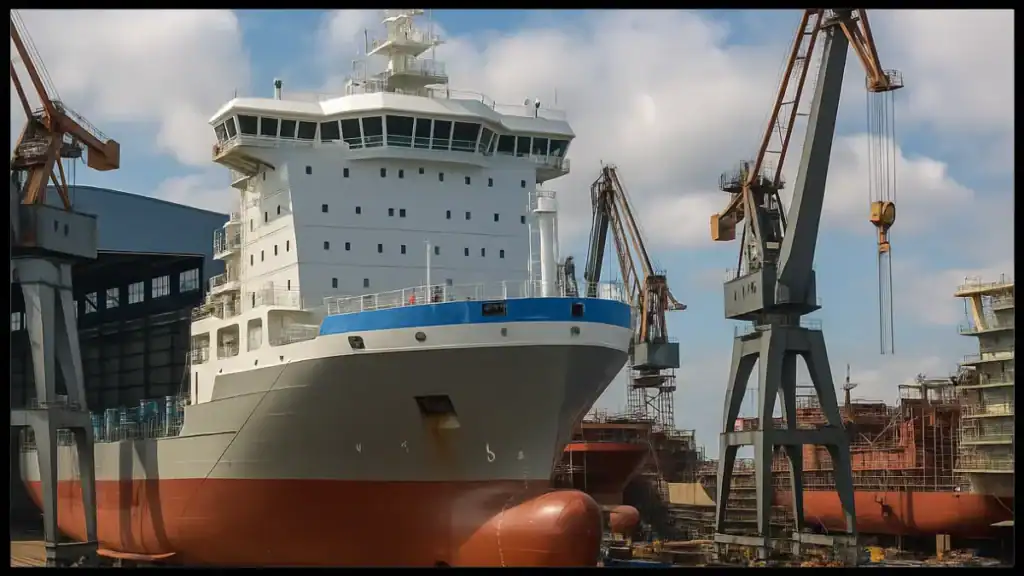
This past week brought a flurry of high-value deals across the maritime world, from crewboat charters and FSO awards to next-gen electric ferries and military shipbuilding expansions. While some focus on offshore energy and renewables, others reflect defense priorities and port modernization.
Recent Major Maritime Contracts & Charter Deals
Company / Parties
Project / Asset
Estimated Value / Duration
Contract Date & Region
Yinson & PTSC
Chartering of FSO for Block B field (Vietnam)
$600 million / 12 years
July 25, 2025 – Southeast Asia
Bourbon ↔ Eni Congo
Charter of six hybrid S200X-G2 crewboats
Undisclosed (multi-million) / 5 years
July 24–28, 2025 – West Africa
Sapura Energy
Subsea engineering for Chevron & PTTEP
> $118 million combined
July 25, 2025 – Gulf of Thailand
Incat Tasmania ↔ Molslinjen
Construction of two 129m battery-electric ferries
Undisclosed (likely $200M+ total)
July 22–23, 2025 – Denmark
VARD (Fincantieri)
Design/build of two CSOVs for offshore wind
€100–200 million (combined)
July 18, 2025 – Client undisclosed
Ventyr ↔ DNV
Design certification of Sørlige Nordsjø II wind farm
Not disclosed
July 10 (reported late July) – Norway
Hawaii DOT
Removal & disposal of historic *Falls of Clyde*
$4.9–5 million
July 14–18, 2025 – Honolulu
U.S. DoD / General Dynamics
Submarine production contract extension
$1.85 billion
July 25, 2025 – USA
Note: This table reflects confirmed contracts reported. Data gathered from government releases, company disclosures, and verified industry portals.
Industry Impact Overview:
The latest contract wave in the maritime sector reveals a parallel trend that’s often overlooked: talent, timelines, and logistics strain. As shipyards and offshore operators commit to new builds and major charters, many are contending with workforce shortages, squeezed equipment supply chains, and scheduling bottlenecks—especially in emerging regions and green-tech segments.
Key Impacts:
Shipyard Backlogs Widen: Increased demand for hybrid and specialty vessels is putting pressure on available build slots through 2026–2027.
Workforce Gaps Emerging: Engineering, electrical, and marine crew roles are hard to fill fast enough to meet delivery and operational targets.
Project Lead Times Expanding: Procurement delays (e.g., battery systems, subsea connectors) are extending delivery schedules.
Regional Skill Imbalances: Developing maritime hubs like Vietnam and parts of Africa face gaps in high-tech fabrication capacity.
Operational Ramp-up Costs Rising: Charterers are investing in training, spare inventory, and fleet digitalization just to keep pace with tech-heavy asset requirements.