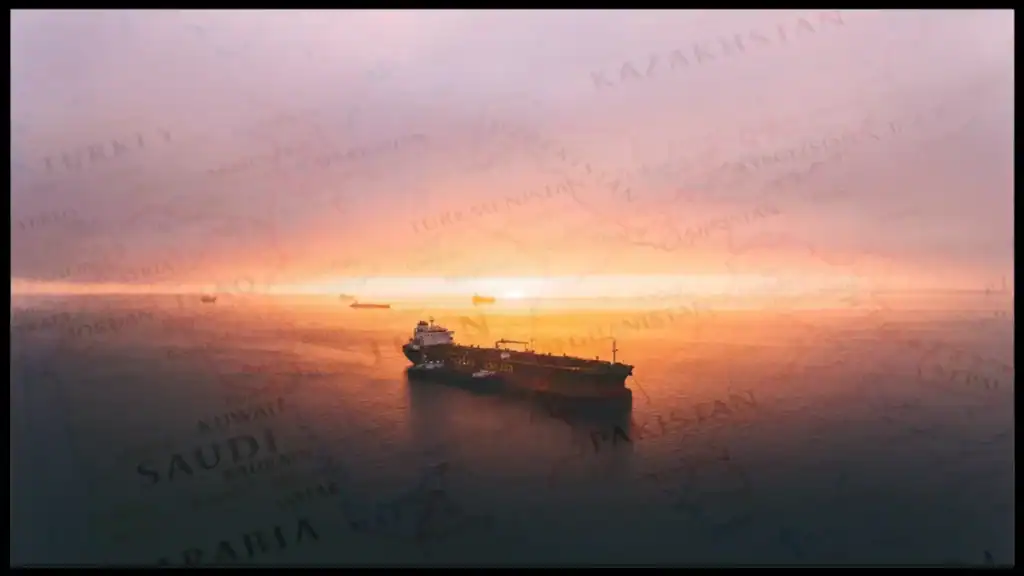
Maritime flashpoints are heating up, with recent attacks and near-misses underscoring rising global instability. From deadly explosions on inland trade routes to drone strikes on Middle Eastern ports, commercial vessels are once again caught in the geopolitical crossfire.
Recent Maritime Security Incidents
Event
Location
Security Context
Operational Impact
Gunfire Hits Livestock Carrier
Red Sea, near Yemen
Likely linked to Houthi maritime threats. Region remains a high-risk area with unpredictable security incidents.
Operators may reroute or require naval escort. Increased insurance premiums and threat response advisories expected.
Explosion Sinks Ukrainian Dredger
Danube Canal, Ukraine
Part of ongoing maritime fallout from Russia-Ukraine conflict. Points to growing risks on inland and Black Sea routes.
European shipping firms may alter Danube transit plans. Crewing protocols and cargo risk audits likely to increase.
Greek Salvage Tug Sent to Assist
Bab el-Mandeb Strait
Part of growing international maritime response to Red Sea threats. Reflects Greece's role in global maritime safety.
Availability of rescue assets may reduce some risk exposure, but transits still face delays and rerouting uncertainty.
Iran Warns U.S. Navy Destroyer
Strait of Hormuz
Iranian forces reportedly told U.S. warship to retreat from monitored waters. Tensions rising in Persian Gulf corridor.
Shipping firms may experience stricter monitoring, escort restrictions, or detours through alternative fuel hubs.
Drone Strike on Hodeidah Port
Hodeidah, Yemen
Alleged Israeli strike on Houthi port infrastructure. Risks of retaliatory attacks and broader Red Sea disruption rising.
Delays or bans for vessels previously calling Hodeidah. Some operators may suspend service entirely in region.
Livestock Carrier Detained Near Yemen
Southern Red Sea
Temporary detainment of vessel transiting near conflict zone. Highlights risks of inspections and delayed clearances.
Vessel operators may factor in longer ETAs. Heightened vetting and customs complications at adjacent port calls likely.
Note: Based on verified maritime security alerts and open-source naval monitoring as of July 25, 2025.
Industry Impact Overview
Recent maritime security incidents, including armed attacks in the Red Sea, an explosion on the Danube, and strategic military responses by Greece and Israel are intensifying concerns over the safety of major sea lanes. These flashpoints are not just localized disruptions; they ripple across global shipping, insurance underwriting, crew management, and cargo rerouting strategies. As geopolitical tensions remain high, industry stakeholders are recalibrating their approach to vessel routing, risk premiums, and maritime resilience.
Key Impacts:
Higher War Risk Premiums: Insurers are raising premiums for voyages near Yemen and the Black Sea, increasing voyage costs.
Route Diversions Becoming Routine: Operators are altering vessel itineraries to avoid chokepoints like the Red Sea, Suez, and northern Black Sea entries.
Naval Escorts & Coordination: Governments (e.g. Greece, U.S.) are deploying salvage and escort ships, signaling a return to coalition-style protection.
Freight Rate Fluctuations: Tensions have triggered rate surges for safe-lane transits and container shortages due to longer routes.
Crew Safety Protocols Intensify: Companies are updating safety procedures and providing hazard pay for voyages in red zones.
Operational Delays at Key Ports: Events like the Danube blast and Hodeidah attacks slow port activity, affecting scheduling and inland logistics.
Heightened Inspection & Detainment Risk: Increased scrutiny in high-risk waters is leading to vessel detainments and delayed clearances.
Industry Responses to Rising Maritime Security Threats
Response
Who’s Involved
Details
Security Implications
Rerouting via Cape of Good Hope
Maersk, Hapag-Lloyd, Evergreen
Several carriers have diverted from the Red Sea to the longer Cape route due to missile/drone threats near Yemen.
Longer transit times but reduced exposure to active conflict zones.
Fleet Tracking Enhancements
FleetMon, Pole Star, Windward
Intelligence providers are deploying enhanced monitoring of ship movements in high-risk zones like the Bab el-Mandeb and Danube.
Improves early-warning and threat detection for operators and insurers.
Heightened Naval Escort Activity
U.S. Navy, French Navy, EUNAVFOR
Coalition naval forces have increased their visible presence and protection protocols for commercial convoys near conflict zones.
Boosts deterrence and reduces the likelihood of unprovoked attacks.
Insurance Risk Premium Adjustments
Lloyd's, Gard, Britannia
War risk premiums have increased 25–40% for routes passing near Yemen and the eastern Mediterranean.
Raises operational costs and can shift market competitiveness.
Rapid Response Tug & Salvage Readiness
Greece, Saudi Arabia, UAE fleets
Regional governments have strategically positioned tugs and salvage ships closer to contested waters for faster reaction.
Minimizes loss escalation during attacks or vessel disablements.
Note: Data sourced from verified reports by industry agencies, military communications, fleet operators, and shipping insurers.
🛰️ Shipping Route Risk Tool
Planning a voyage through high-risk waters? Use our Shipping Route Risk Tool to assess piracy threats, geopolitical tensions, and real-time maritime hazards across major global shipping lanes.