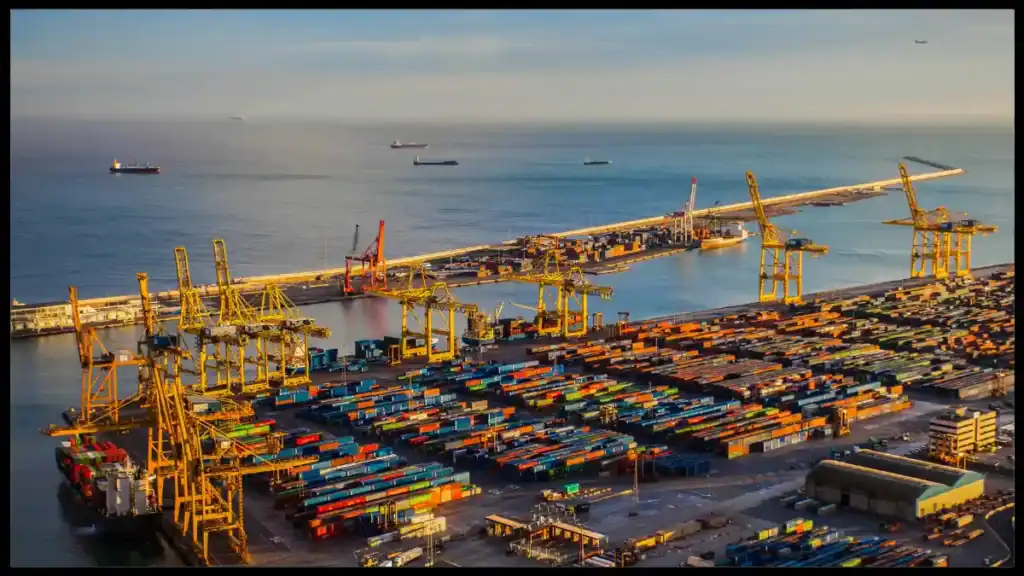
Maritime stakeholders have seen both stark improvement and persistent congestion in port operations. India’s major ports now average less than 24-hour vessel turnaround, a game-changing shift driven by policy reforms and capacity upgrades. Elsewhere, delayed berthing and cargo dwell times continue to plague ports across Africa, West Africa, and the global trade heartlands, highlighting uneven recovery and infrastructure gaps amid fluctuating demand.
Port Turnaround & Congestion News
Port / Region
Turnaround or Waiting Time
Notable Factors & Trends
India (Major Ports)
Under 24 hours (down from ~4 days)
Major digital reforms, increased port automation, and terminal expansion have dramatically reduced vessel turnaround time. India now ranks among the most efficient developing countries in port processing speed.
Abidjan, Côte D’Ivoire
Up to 7 days waiting
Heavy yard congestion and insufficient berth availability are causing extended delays, especially for bulk and reefer vessels. Export surge and vessel bunching worsen peak-period traffic.
Casablanca & Tanger Med, Morocco
~4–5 days average, up to 6 days
Morocco's busiest ports are experiencing congestion tied to surging North-South transshipment volumes, limited truck gate fluidity, and overlapping vessel schedules.
Mombasa, Kenya
Improved; several ships still waiting
Although port digitization and yard reorganization have improved flow, ship queuing remains common due to hinterland clearance delays and weather-related interruptions.
China (Qingdao, Shanghai‑Ningbo)
Multiple days in holding anchorage
Persistent fog, typhoon precautions, and high TEU throughput strain port infrastructure. Delays are especially severe for vessels arriving outside fixed berthing windows.
Note: Table derived from verified port performance data and weekly shipping operations updates.
Industry Impact Overview
The global shipping industry is witnessing major shifts in port performance, with significant disparities in turnaround times across regions. While ports in India have dramatically improved vessel processing speeds through policy reform and investment, several African and Asian ports continue to face congestion from yard density, weather, or rising cargo volume. These discrepancies are shaping route planning, carrier schedules, and supply chain reliability worldwide.
Key Impacts
Carrier Scheduling Disruption: Prolonged anchorage delays in regions like West Africa and China are forcing carriers to revise schedules and implement buffer times.
Infrastructure Investment Priorities: India’s success is driving interest in replicating digitalization and capacity expansion strategies elsewhere.
Cargo Flow Rerouting: Persistent delays in key transshipment hubs are causing cargo diversions to secondary ports.
Regional Performance Gaps Widening: While Asia shows mixed signals, African ports lag behind due to limited yard automation and crane capacity.
Operational Costs Rising: Delays at congested ports lead to increased fuel consumption, demurrage, and idle time.
Recent Port Development & Reform Highlights
Port / Region
Development
Strategic Relevance
Jawaharlal Nehru Port, India
Advanced digital twin systems & faster customs integration rolled out
Model for reducing turnaround time; supports India’s global export push
Lagos, Nigeria
Public-private dredging and dry port development launched
Effort to ease congestion and create hinterland cargo channels
Tanger Med, Morocco
Expansion of container terminals with automation upgrades