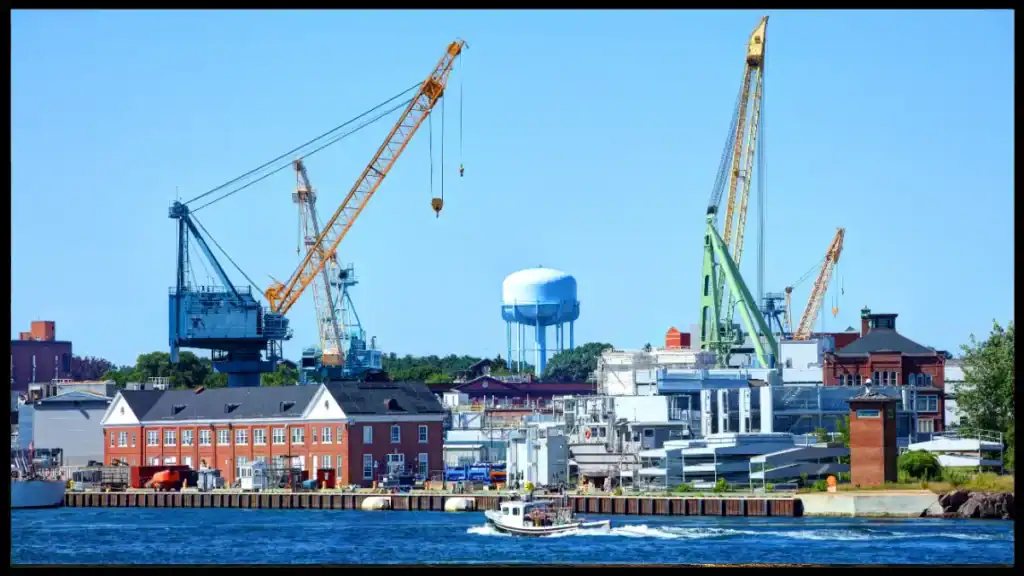
As maritime tensions rise and trade dynamics shift, the United States is doubling down on its seafaring strategy. From expanded sanctions on Houthi petroleum smugglers to bipartisan backing for Arctic icebreakers and grants to small U.S. shipyards, recent moves signal Washington’s push to secure sea lanes, strengthen domestic infrastructure, and project power in contested waters.
U.S. Maritime Moves
Development
Details
Sector Impact
Outlook
Houthi Sanctions Expansion
U.S. Treasury sanctioned individuals/entities aiding Houthi oil smuggling; aim is to disrupt funding channels behind Red Sea attacks.
Raises enforcement stakes in maritime conflict zones and affects vessel operators with Middle East exposure.
Expect tighter maritime financial scrutiny and shipping insurer compliance mandates.
$8.75M MARAD Small Shipyard Grants
17 U.S. shipyards awarded federal grants to modernize equipment, improve training, and boost local employment.
Reinforces domestic shipbuilding capacity and supports regional economic resilience.
Grants likely to translate into near-term infrastructure upgrades and long-term competitiveness.
Great Lakes Icebreaker Act Advances
House committee approved bipartisan legislation to fund modern U.S. icebreaking fleet in the Great Lakes.
Improves winter shipping continuity and port access for northern U.S. industries.
Bill expected to pass with bipartisan support, accelerating procurement timelines.
$8.6B Coast Guard Arctic Icebreaker Plan
Revived Trump-era funding package to expand U.S. icebreaking capability in the Arctic and secure polar routes.
Strategic play against Russian and Chinese polar ambitions; boosts Coast Guard readiness.
Implementation could stretch to 2030s, but signals long-term U.S. maritime positioning.
Note: All developments verified via public records and maritime reports, MARAD, and Congressional news outlets.
Industry Impact Overview:
Recent U.S. maritime actions are reverberating through the global shipping industry. From sanctions targeting oil smuggling networks to funding aimed at revitalizing shipyards and expanding icebreaker capabilities, these moves represent a coordinated push to reinforce domestic maritime strength, enhance strategic reach, and ensure security across critical corridors. The ripple effects are already shaping decision-making in finance, logistics, shipbuilding, and policy planning.
Key Impacts:
Sanctions Enforcement: Maritime insurers and financial institutions are updating risk protocols tied to Red Sea and Middle East shipping activity.
Infrastructure Revitalization: Small U.S. shipyards are beginning procurement and facility upgrades funded by the MARAD grant program.
Arctic & Great Lakes Strategy: Icebreaker funding is prompting port authorities and bulk carriers to reassess seasonal logistics planning.
Defense Sector Readiness: Contractors are positioning for a long-term buildout of U.S. Coast Guard icebreaking capabilities.
Geopolitical Signal: These maritime initiatives collectively project U.S. intent to maintain shipping influence across polar and conflict-prone regions.
How the Maritime Industry Is Reacting
Stakeholder
Reaction / Adjustment
Sector Focus
Timeline
Marine Insurers
Conducting renewed compliance checks and updating policies on vessel exposure to sanctioned entities.
Middle East routes / global underwriting
Immediate to Q4 2025
Regional Shipyards (U.S.)
Ramping up procurement of welding robots, workforce upskilling, and drydock refurbishments via MARAD grants.
Small to mid-size commercial shipbuilding
Q3 2025 – mid 2026
Shipping Alliances
Re-evaluating winter routes through the Great Lakes and planning cold-weather tonnage adjustments.
Domestic bulk cargo & intermodal
Winter 2025/26
Defense Contractors
Positioning for bids related to U.S. Coast Guard icebreaker modernization efforts under $8.6B package.
Arctic & polar operations
2026 – 2032
Global Port Authorities
Monitoring Arctic funding as a signal of potential cargo flow shifts and future geopolitical reroutes.
Global trade / route planning
Q4 2025 onward
Note: Table compiled using public statements, MARAD grant recipient data, insurance advisories, and industry sourcing.