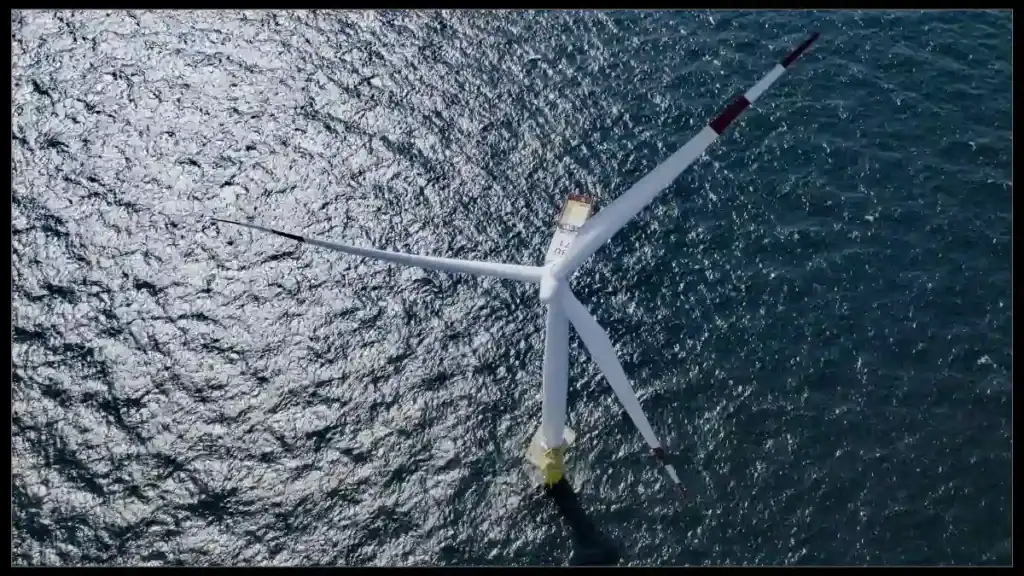
China has recently unveiled a game‑changing 17 MW floating wind turbine, the most powerful single‑unit ever built, while OSV (Offshore Support Vessel) demand rockets worldwide. The shift toward deep‑sea renewables and offshore oil/gas projects is breathing new life into supply, anchor‑handling, and Service Operation Vessel (SOV) fleets.
Projects Powering OSV Demand into H2 2025
Project / Region
Offshore Scope
OSV Role
Strategic Significance
China’s 17 MW Floating Turbine (Fujian)
Prototype floating turbine with 262 m rotor; withstands typhoon‑level seas
Towing, installation, maintenance, stability support craft
Sets global benchmark; triggers specialized OSV deployment and retrofits
CRRC Qihang 20 MW Turbine (Prototype)
260 m rotor, 151 m hub, deep‑sea installation demo site
Heavy‑lift support, anchoring, subsea cable lay
Boosts demand for AHTS and SOV vessels tailored to ultra‑large turbines
Asia‑Pacific OSV Services Expansion
Ongoing oil/gas and renewables offshore build‑outs
10–12% annual growth; Asia‑Pacific leads global OSV utilization
First Chinese SOVs Delivered (Zhi Zhen & Zhi Cheng)
Dedicated wind farm service/maintenance platforms
Crew transfer, maintenance, emergency standby
Local content fulfillment; foundation for domestic offshore wind service chains
Note: Table highlights how new energy projects are directly driving specific OSV demand segments, beyond general market growth.
Industry Impact Overview
As offshore wind turbines scale beyond 15 MW and move further into deep water, the OSV industry faces a transformation, not just in demand but in design, strategy, and ownership. The industry isn't simply reviving; it's being repurposed for a new generation of marine infrastructure.
🔍 Key Industry Impacts:
Design Upgrades Required: Traditional PSVs and AHTS vessels need refits or redesigns to handle wind turbine installation, dynamic positioning, and subsea connectivity.
Yard and Retrofit Boom: Chinese, Southeast Asian, and even European yards are seeing new orders and conversions tied directly to floating wind support.
SOV Investment Accelerates: Operators are prioritizing SOVs (Service Operation Vessels) with hotel-style amenities, motion-compensated gangways, and hybrid propulsion systems.
New Operator Classes Emerging: Local wind farm operators and government-linked developers are investing in support fleets, shifting vessel ownership models.
Margin Shift to Lifecycle Services: OSVs aren’t just for install anymore—long-term O&M (Operations & Maintenance) support is becoming the main value driver.
OSV Role Evolution for Floating Wind
Vessel Type
Traditional Role
New Floating Wind Role
Key Modifications/Upgrades
Platform Supply Vessel (PSV)
Crew/cargo transport to oil platforms
Tooling & crew transfer for turbine installation
DP2 retrofit, motion-compensated cranes, fuel system hybridization
Anchor Handling Tug Supply (AHTS)
Tow rigs, anchor platforms
Tow-out and anchoring of floating turbine platforms
Winch system upgrades, greater bollard pull, improved hull stability
Service Operation Vessel (SOV)
N/A (relatively new category)
Wind farm O&M platform with onboard tech crew
Walk-to-work gangway, DP2/3, onboard living quarters, data systems
Multipurpose Support Vessel (MPSV)
Flexible roles (cable laying, ROV ops)
Subsea cabling, sonar, and survey support for wind fields
Cable tanks, sonar array integration, electric ROV bays
Note: Functional shifts reflect increasing OSV involvement in floating wind lifecycles—installation, operation, and long-term support.