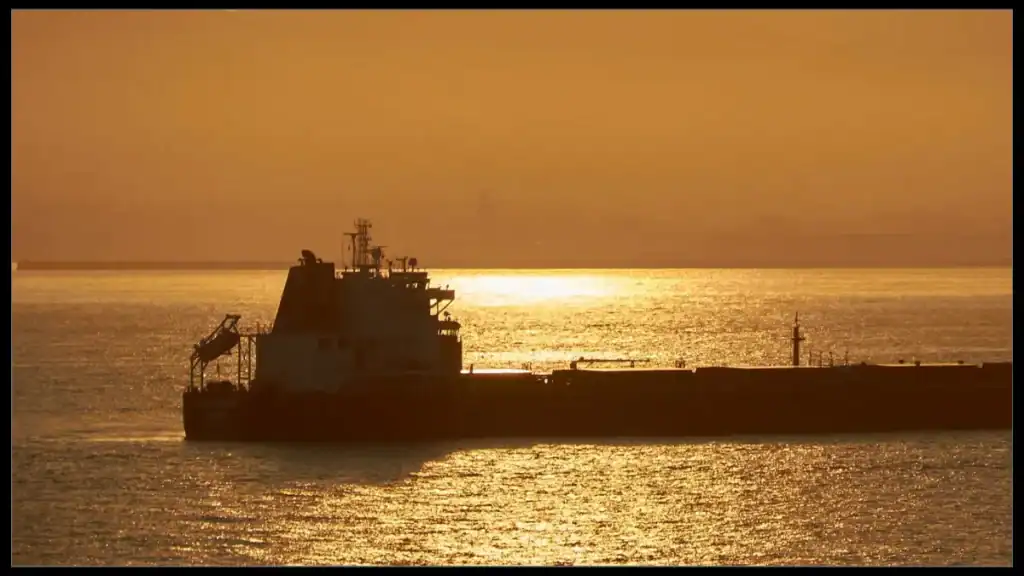
After a brief period of relative calm, Houthi maritime threats have re-emerged as a serious risk factor for Red Sea transit. Multiple commercial vessels were struck in early July using drone boats, missiles, and RPGs. These incidents have resulted in vessel losses, casualties, and hostage situations. The international response includes extended UN oversight and growing pressure on EU naval capacity.
Red Sea Maritime Security Snapshot
Event
Details
Tactics Used
Impact
Magic Seas (July 6)
Bulk carrier struck by multiple projectiles in Red Sea
Drone boats, missiles, fast attack craft
Vessel sunk, crew evacuated; escalation of post-ceasefire activity
Eternity C (July 7)
Attacked and set ablaze near Bab el-Mandeb
RPGs, sea drones, boarding
4 killed, 15 missing, 6 abducted; vessel total loss
UN Security Council (July 16)
Extended monitoring of Red Sea attacks through January 2026
Diplomatic resolution and oversight mandate
Continued global focus; enables monthly reporting and analysis
EU Naval Escorts
Operation Aspides remains active but under-resourced
Voluntary naval escorts, limited fleet
Coverage gaps remain; most targeted ships were not escorted
Crew Repatriation
Survivors from Eternity C undergoing treatment and interviews
Rescue and medical coordination
Ongoing humanitarian and diplomatic response efforts
Note: Table summarizes confirmed activity and international responses as of mid-July 2025. Designed for maritime situational awareness.
Industry Impact Overview
The recent surge in Red Sea insecurity has broad implications for global shipping, supply chain resilience, and regional naval strategy. While the attacks themselves are isolated events, their ripple effects are already reshaping how fleets operate, how insurers price risk, and how cargo owners think about routing and timing.
🔍 Key Industry Impacts:
Insurance Premium Spike – Red Sea risk premiums have doubled or tripled for non-escorted vessels, sometimes hitting 0.7%–1.2% of cargo value.
Cape Route Congestion Growing – Rerouted traffic around Africa is adding 10–14 days to transit times and putting pressure on bunkering, port slots, and crew endurance.
Operational Behavior Shift – Many carriers now avoid transiting unless armed escorts are confirmed; others travel under "All Crew Muslim" banners to avoid targeting.
Naval Resource Mismatch – The EU's limited naval commitment contrasts sharply with escalating threats, exposing a gap between policy and real protection.
Strategic Realignment – Shippers are reassessing supply chain architecture to reduce dependency on chokepoints like Bab el-Mandeb, Suez, and Strait of Hormuz.