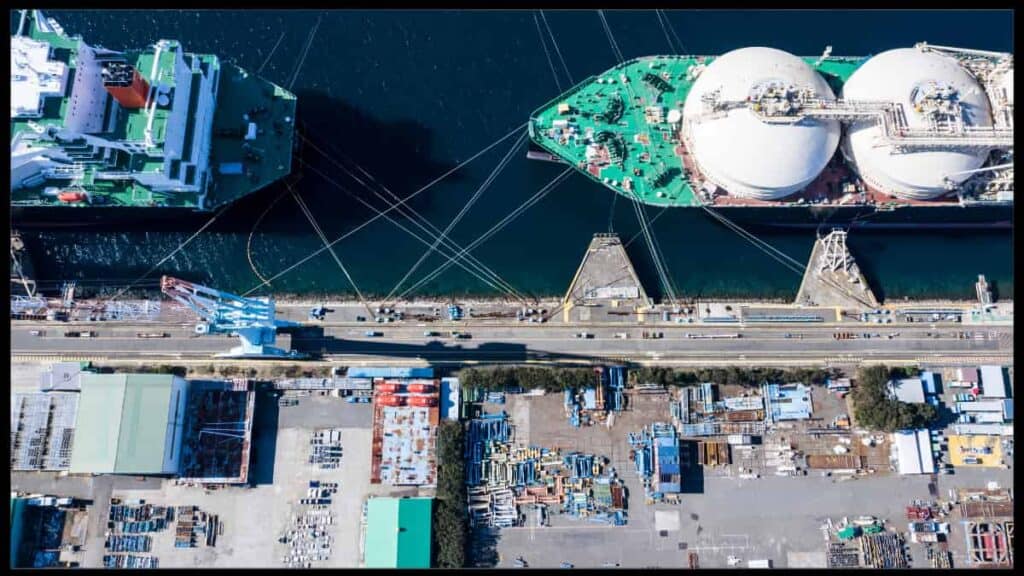
Daily bunker rates have remained relatively stable in recent days. However, the outlook is shifting as global regulatory changes, especially in the European Union are poised to reshape the cost dynamics of marine fuel for shippers.
ShipUniverse: Maritime Fuel Market Focus 2025
Factor
Current Trend
Near-Term Outlook
Implications for Shipping
Spot Fuel Prices
Moderate softness across VLSFO, HSFO, MGO
Stable, with downside risk tied to oil-range moves
Fuel cost forecasting; flexible bunker strategy
EU-Driven Compliance Costs
Rising due to emissions pricing and FuelEU mandates
Premiums sustained until alternative fuels expand
Higher voyage pricing; fuel sourcing strategies in EU trade lanes
Port Dependencies
Variable lead times and availability in key hubs
Region-specific disruptions possible
Inventory buffer planning; charter scheduling
Fuel Mix Shift
LNG gaining share in key ports
More dual-fuel capacity in coming months
Need for LNG availability readiness and logistics alignment
Long-Term Demand
Demand plateau at ~5M barrels/day projected
Steady usage with limited growth unless policy changes
Note: While spot prices stay subdued, shipping costs are being reshaped by regulatory frameworks, fuel type transitions, and regional supply dynamics.
Industry Impact Overview
Recent stability in maritime fuel prices offers both relief and uncertainty for shipowners, charterers, and logistics operators. While price movements have been relatively calm over the past week, market signals suggest that macroeconomic factors and regional conflicts could still prompt sharp changes. This creates a mixed environment of short-term predictability and long-term caution.
Key Impacts:
Fleet Operating Margins: Flat bunker prices allow for easier voyage cost forecasting, which benefits operators on tight budgets or fixed-rate charters.
Fuel Procurement Strategy: Buyers may delay hedging or bulk orders, expecting price clarity before Q3 contracts.
Carbon Credit Planning: Stable fuel costs help shipping companies model EU ETS surcharge implications more accurately.
Decarbonization Window: Some operators are using the relative cost stability to invest in alternative fuels or upgrade fuel efficiency systems.
Geopolitical Risk: Ongoing Red Sea and Russia-Ukraine disruptions still hold the potential to shock fuel logistics, especially for certain grades.
Key Maritime Fuel Price Dynamics
Factor
Current Status
Short-Term Impact
Long-Term Watch
Bunker Fuel Prices
Stable across key hubs
Improved cost forecasting
Volatility if crude surges
Crude Oil Trends
Moderate with upward pressure
No major impact yet
Q3 demand and OPEC decisions
Geopolitical Factors
Elevated risk zones (Red Sea, Ukraine)
Selective supply disruptions
Potential routing or insurance shifts
Alternative Fuel Premiums
Still high vs. VLSFO
Limits early adoption
Demand could rise with incentives
ETS & Carbon Pricing
EU ETS price near €70/ton CO₂
Stable modeling for surcharge costs
Watch for global expansion beyond EU
Note: Data reflects trends as of early July 2025. Spot prices may vary by region, fuel type, and ship class.