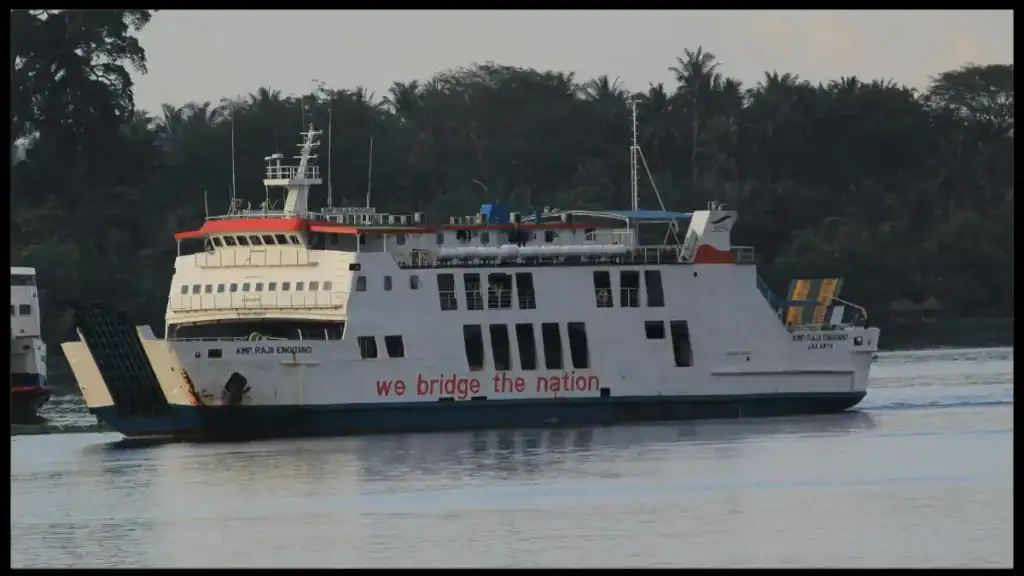
A routine overnight crossing turned deadly off the coast of Bali this week, as a roll-on/roll-off passenger ferry capsized in the narrow strait between Java and Bali. The vessel, identified as KMP Tunu Pratama Jaya, sank within an hour of departure, sparking a frantic rescue effort involving over 160 personnel, naval assets, helicopters, and local authorities. The tragedy has left at least six confirmed dead and nearly 30 people still missing as search teams continue combing the area for survivors and wreckage.
Bali Ferry Sinking Incident Summary
Date
Vessel
Incident Summary
Casualties & Response
July 2, 2025
KMP Tunu Pratama Jaya
Passenger and vehicle ferry capsized roughly 30–40 minutes after departing Ketapang port (East Java) en route to Gilimanuk, Bali
6 confirmed dead, 30 rescued, 29 still missing; search ongoing with Indonesian Navy and local rescue teams
Passenger Manifest
Estimated 65–70 persons aboard including passengers, crew, and vehicle drivers; 22 vehicles onboard
Wreck Location
Suspected at 40–60 meters depth off Bali coast; sonar contact confirmed by Indonesian Navy vessel KRI Pulau Fanildo
Rescue Effort
Over 160 personnel, boats, and helicopters deployed; poor visibility and rough conditions slowed progress
Possible Causes
Investigation underway; weather, vessel stability, and liferaft failures are all being reviewed by Indonesian transport safety agency (KNKT)
Note: Data compiled from Indonesian SAR reports and verified news outlets.
Safety Oversight Under Scrutiny After Bali Ferry Disaster
While Indonesia operates one of the largest ferry networks in the world, the latest incident raises renewed concern over vessel stability protocols, crew preparedness, and enforcement of maritime safety standards, especially across short-haul inter-island routes. With dozens of lives lost or missing, the tragedy may accelerate safety audits and policy tightening, particularly for aging ro-ro vessels frequently used in busy straits like the Bali–Java corridor.
Ferry Transport Context Across Indonesian Archipelago
Factor
Current State
Risks
Potential Reforms
Fleet Age
Many ferries >25 years old; limited retrofitting
Stability concerns, outdated safety gear
Accelerated phase-out and modernization incentives
Route Volume
Thousands of daily inter-island sailings
Congestion and scheduling pressure
Automated vessel tracking and tighter departure checks
Weather Monitoring
Often limited to port-level forecasts
Sudden squalls and poor visibility common
Expanded satellite-based alerts and radar feeds
Crew Training
Standards vary by operator
Uneven emergency response performance
Mandatory drills and centralized training programs
Inspection Regime
Annual inspections required, enforcement varies
Compliance gaps and corruption risk
Digitalized oversight and anonymous reporting channels
Note: Based on compiled regulatory, operator, and safety records for ferry routes across Indonesia, with emphasis on Java–Bali corridor risks.