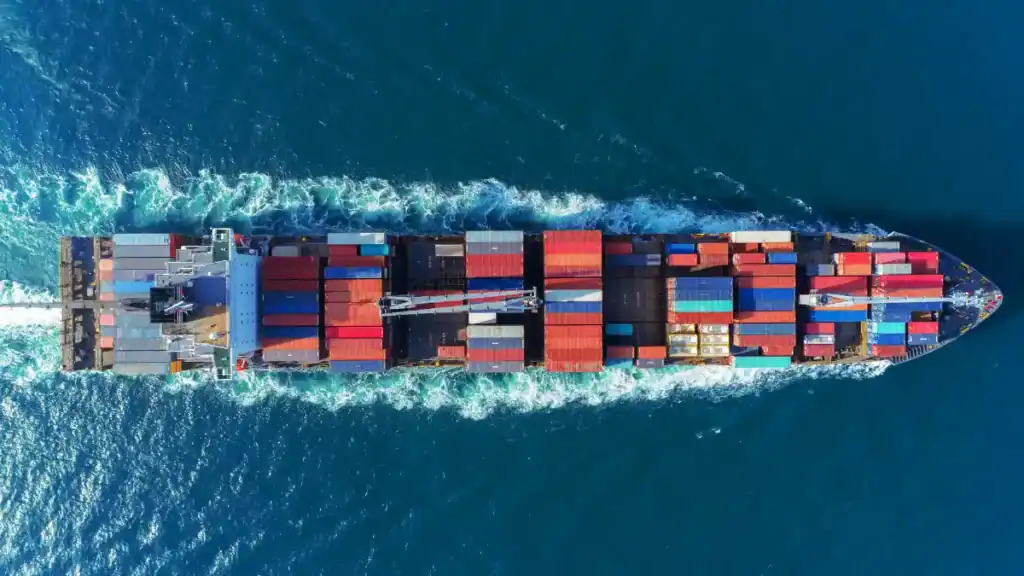
Container shipping is navigating a volatile new chapter, as soaring freight rates, inland congestion, and shifting trade lanes reshape global logistics. With post-pandemic demand surges giving way to geopolitical rifts, tariff realignments, and unpredictable chokepoints, carriers and shippers alike are rethinking their long-term strategies in a market that’s anything but stable.
Container Shipping Snapshot
Theme
Observation
Geography / Route
Impact
Future Outlook
Spot Rate Collapse
Rates halved from early June levels on Shanghai–U.S. trade lane
Asia → U.S. West Coast
Demand slowdown and tariff-related uncertainty
Expect further softening if demand remains weak
Tariff-Driven Spike
70% lift in freight index mid-May
Global benchmark trades
Front-loading before U.S. tariff hike deadlines
Temporary boost, likely to reverse
Port Congestion
Longest barge wait times since pandemic
Rotterdam, Antwerp, Hamburg, Rhine inland
Delays, extra costs, inventory build-up
Infrastructure investments needed
Oversupply Risk
30% of active fleet capacity on order
Global fleet
Potential rate collapse if disruptions subside
Fleet rationalization may be required
Booking Patterns
300% surge in China–U.S. bookings; route cancellations
Asia ↔ U.S.
Unpredictable service schedules; front-loading behavior
More volatility ahead; scheduling uncertainty
Volatility Pressures
FBX index highly unstable across lanes
North Asia → Europe/U.S.
Red Sea threats; rerouting; risk adjustments
Continued unpredictability; increased hedging
Note: Data as of early July 2025 based on broker freight indices, Reuters and FT coverage, cargo booking analytics, and shipping capacity reports.
Current Challenges and Trends
Tariff Turbulence and Demand Swings
U.S. container rates have plummeted by over 50% from early June, with Shanghai–West Coast freight dropping from ~$6,000 to $2,500 per 40-ft container, reflecting weakening demand despite a temporary restocking surge before tariffs. The World Container Index has shown weekly volatility with 9% declines over consecutive weeks.
In May, container spot rates soared: Drewry’s index jumped 41% week‑on‑week to $3,527/FEU, up 70% over four weeks, triggered by the tariff rollback to 30% from the previous 145% on Chinese goods.
Port Congestion and Inland Disruptions
European ports, particularly Rotterdam, Hamburg, and Antwerp are facing the worst operational congestion since the pandemic. Barges now wait up to 66‑77 hours to load containers, disrupting supply chains. Contributing factors include diverted trade flows, low Rhine water levels, and strained terminal capacity.
Low river levels, capacity mismatch, dry bulk priority
Basel (Trimodal Gateway)
36–44 hours
Cross-border delays
Customs inspections, overflow reroutes from Germany
Note: Estimates based on mid-June to early July 2025 inland freight data and logistics platform tracking. Includes wait time fluctuations during peak weekly windows.
Shipping Lines Facing Oversupply Risk
Shipping giants such as MSC and Maersk continue to expand their fleet, but scrapping of older vessels has not kept pace. Approximately 30% of the active container fleet is backlogged order book capacity, which raises concerns about sustainability if market disruptions fade.
Route Cuts and Seasonal Rushes
Several China–U.S. container routes have been suspended amid weak trade, with major carriers cancelling up to six weekly sailings. This reflects a sharp slowdown in bilateral volumes.
Ahead of tariff expiration deadlines, China, U.S. bookings surged nearly 300%, especially in full-container-load trade, as importers front-loaded cargo. However, as tariffs loom, demand is expected to taper off again.
Volatility and Forward Planning
Rising conflict in the Middle East, Houthi attacks threatening Red Sea passage, and spillover supply chain disruption are amplifying route uncertainty. The Baltic Index (FBX) remains volatile, particularly from North Asia to Europe and North America.
Many shippers are redefining inventory and transit strategies, shifting from lean models toward buffer stocks amid unpredictable rate environments.
Shipper Strategy Shifts Amid Global Route Disruptions
Strategic Area
Recent Shift
Driving Factor
Example Implementation
Inventory Management
Shift from lean to buffer stock
Frequent transit delays, rerouting risks
Retailers building 2–4 weeks of extra inventory
Route Planning
Increased use of Cape of Good Hope
Red Sea risk, Suez surcharges
North Asia–EU routing adds 10–12 days transit
Booking Strategies
Multiple forward bookings to hedge delays
Rate volatility, tight vessel supply
Mid-size exporters placing double space bookings
Geographic Sourcing
Diversification from China to ASEAN and LATAM
Geopolitical tension, tariff risks
Electronics brands increasing sourcing from Vietnam
Modal Shift
Use of rail and air for critical goods
Extended ocean freight transit and delays
Automotive parts shipped via air from Japan to EU
Note: Data reflects logistics adjustments reported by freight forwarders and regional shippers. Realignment varies by commodity class and route intensity.
Despite strong pockets of demand and moments of rate escalation, container shipping remains in a state of flux. Unpredictable tariffs, port congestion, shifting sourcing patterns, and overcapacity concerns continue to test the resilience of global supply chains. As operators recalibrate and shippers hedge their strategies, the months ahead are likely to be shaped by agility, route diversification, and how well the industry balances short-term volatility with long-term structural shifts.
News Summary
Category
Event or Trend
Geographic Focus
Impact
Strategic Implications
Rate Volatility
Freight rates spiked on Asia–Europe and transpacific routes
Asia, Europe, North America
FBX up 20–30% month-over-month on key lanes
Shippers renegotiate contracts; reliance on spot rates increases
Port Congestion
Barge delays and container backlogs strain inland hubs
Antwerp, Rotterdam, Hamburg
Wait times up to 77 hours; berth queues rising
Shippers shift to alternative routes or ports
Fleet Oversupply
Order books remain full despite weak demand outlook
Global
30% of fleet capacity tied up in backlog orders
Concerns grow over idle tonnage and vessel scrapping rates