Insurance Pressures Build as Maritime Risks Shift in 2025
🔔 Subscribe to ShipUniverse Weekly →
The maritime sector is seeing a noticeable shift in premium levels, particularly around war-risk zones and high-tension corridors. While some markets are still experiencing rate softening, others have seen abrupt surges in costs due to geopolitical tensions, electronic interference, and incidents at sea.
From the Strait of Hormuz to European oversight of sanctioned fleets, the space is seeing realignment in pricing, coverage terms, and operational strategy. Here's an overview of the most significant developments shaping maritime insurance this month.
War Risk Premiums Spike in Gulf and Eastern Med
One of the most significant shifts has occurred in the Gulf of Oman and the Strait of Hormuz, where a recent oil tanker collision has highlighted the growing risk profile of the region.
- Hull and machinery insurance premiums for transiting vessels have jumped more than 60 percent over the past week.
- Vessels valued at $100 million are now seeing per-voyage premiums increase from $125,000 to roughly $200,000.
- These changes follow several navigation and GPS disruption reports, as well as mounting political tensions.
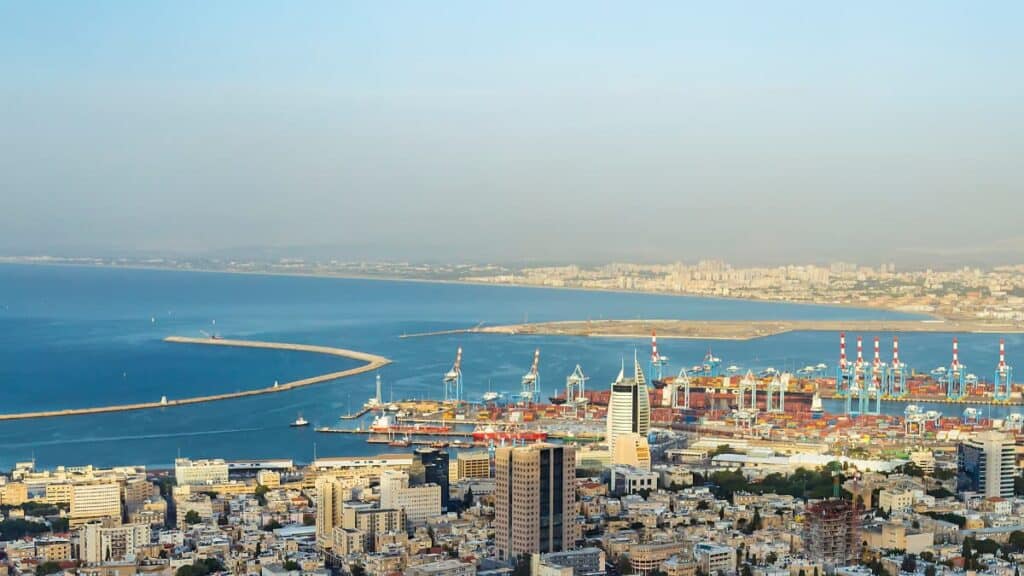
Coverage into Israeli ports has also tightened. War-risk premiums for vessels calling on Israeli terminals have tripled in recent days, reflecting concerns about potential retaliation by non-state actors operating from neighboring territories.
Market Reactions and Routing Adjustments
Shipowners and operators are beginning to respond to this rising cost environment.
- Major tanker firms have paused new bookings for high-risk Gulf transits and are redirecting voyages to avoid exposure.
- Routes through the Red Sea, East Mediterranean, and parts of the Arabian Sea are now under close watch by both insurers and underwriters.
- Some carriers are requesting naval escort options or longer detour routes to satisfy coverage conditions.
These changes are impacting not only premiums but also voyage planning and schedule flexibility. Ports previously considered routine are now triggering additional risk disclosures and documentation requirements.
Premium Softening Elsewhere
While war-risk corridors have seen sharp increases, other lines of coverage are still experiencing moderate rate decreases.
- Global hull insurance rates have softened between 4 and 7.5 percent since the start of the year due to favorable loss ratios and market competition.
- Cargo coverage in stable lanes is showing lower premiums as well, particularly for dry bulk and manufactured goods.
However, insurers caution that this softening may be temporary, especially if conflict exposure continues to spread or loss activity picks up in emerging markets.
Shadow Fleet Scrutiny Grows
Regulators in Europe are increasing oversight of so-called shadow fleet operations, particularly those tied to oil shipments under sanctions. This has led to a tightening of permissible coverage terms.
- Vessels carrying sanctioned cargo or lacking clear ownership history are being excluded from P&I club protection or denied claims.
- London-based brokers are reporting growing compliance burdens for underwriting fleets with opaque charter arrangements.
Insurers are aligning more closely with regional enforcement frameworks and are expected to take a more conservative stance through the second half of the year.
Cyber and Liability Cover Under Review
Maritime insurance providers are also shifting how they evaluate risk in light of growing electronic interference and cyber-related incidents.
- Several leading insurers have begun offering specific endorsements tied to GPS spoofing, cyber sabotage, or electronic bridge interference.
- Operators transiting digitally sensitive zones are now encouraged to review exclusions related to systems compromise, data loss, or navigation override.
There is also movement toward expanding protection for environmental and cargo liability, particularly in the context of dual-fuel and LNG-powered vessels. These ships often require tailored underwriting due to evolving fuel storage and transfer risks.
Strategic Shifts and Underwriting Innovation
Marine underwriters are gradually expanding capacity in Asia-Pacific and Africa, where port infrastructure is improving and regional trade is growing.
- New offerings include hybrid war/cyber policies and flexible voyage-based cover for small and mid-size operators.
- Insurers are also beginning to bundle risk analysis tools with policy packages, allowing operators to dynamically adjust coverage as voyage risk evolves.
As shipping patterns realign globally and political uncertainty lingers, these developments are signaling a more responsive and segmented maritime insurance model.
The insurance landscape in mid-2025 is no longer defined by static premiums or generalized coverage. It is adapting to a shipping world that is increasingly exposed to regional tension, cyber interference, cargo complexity, and visibility challenges.
The cost of navigating risky waters is becoming clearer. For insurers, the challenge lies in building responsive products that manage exposure without stalling trade. Flexibility, compliance, and real-time risk tracking are becoming core pillars of maritime insurance strategy moving forward.