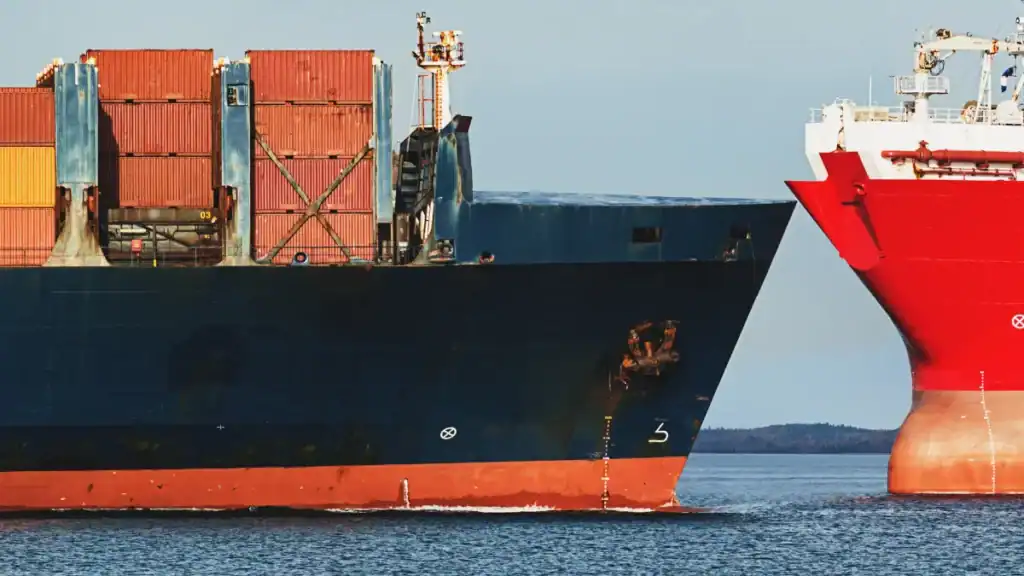
A string of serious maritime accidents over the past several days has put global shipping safety back in the spotlight. From collisions in critical chokepoints to fires aboard large vessels and unusual GPS disruptions, the pattern suggests a growing level of operational and environmental risk across multiple regions.
While no fatalities have been reported in these recent events, the volume and frequency of incidents have raised urgent questions about navigational security, cyber interference, and route resilience.
Major Collision Near Strait of Hormuz Prompts Emergency Response
One of the most serious events occurred early on June 17, when two oil tankers collided in the Gulf of Oman, east of the Strait of Hormuz.
The vessels involved were a large crude carrier and a product tanker operating under international flags.
The collision led to fires aboard both vessels.
The UAE coast guard evacuated 24 crew members from one vessel, while the second ship’s crew managed the onboard fire with external support.
Early assessments indicate there was no significant oil spill, and firefighting efforts were completed within hours.
Maritime authorities are investigating the cause of the accident, including whether navigational anomalies were involved.
This incident occurred in one of the world’s most critical shipping lanes, responsible for nearly 20% of global oil shipments. Tankers transiting this region are increasingly vulnerable to both physical hazards and geopolitical tension.
Key Maritime Accidents
Date
Location
Incident Type
Vessel Type(s)
Impact
June 17
Gulf of Oman (Strait of Hormuz)
Collision + fire
Two oil tankers
Both ships ignited; 24 crew evacuated; temporary route concern in critical energy corridor
June 11
Off Kerala Coast, India
Cargo deck fire
Vehicle carrier
Fire contained; raised EV cargo safety concerns; vessel returned under tow
June 10
Sentosa Channel, Malaysia
Grounding
Bulk carrier
Grounded during approach; no cargo damage; refloated same day with tug support
Ongoing
Strait of Hormuz & Gulf waters
GPS spoofing & jamming
Multiple commercial ships
Navigation systems affected; positional errors; raised cyber risk concerns for bridge teams
March (under review)
North Sea (Dutch waters)
Collision + onboard fire
Container ship & oil tanker
One crew member missing; damage investigations ongoing; focus on AIS coordination failures
Data compiled from official reports and verified maritime incident tracking sources. Table includes confirmed vessel events from June and recent unresolved investigations.
GPS Spoofing and Navigational Disruption Reported in the Region
Just days before the collision, multiple vessels transiting the Hormuz Strait and nearby Gulf waters reported unusual GPS behavior. These included:
Position spoofing, where ships’ navigation systems temporarily displayed false locations—sometimes hundreds of miles off course.
Signal blackouts or jamming, disrupting satellite navigation tools at critical moments.
Several vessels submitted incident reports detailing “erratic heading adjustments” and autopilot overrides. These kinds of cyber disruptions—while not definitively linked to the June 17 collision—have become more frequent near high-tension zones.
Vessel operators are being advised to cross-check satellite data with radar, AIS, and visual bearings.
Authorities are exploring the potential for deliberate interference, as well as the limitations of current navigation redundancies.
If confirmed as coordinated spoofing or jamming, this raises significant implications for vessel safety, insurance liability, and maritime cybersecurity strategy.
Fire Erupts on Vehicle Carrier Off India’s Coast
Another notable incident occurred on June 11, when a vehicle carrier experienced a fire off the Kerala coast.
The vessel was reportedly carrying automobiles and machinery.
Flames were confined to the upper vehicle decks, and crew members were able to contain the fire before significant spread.
The ship was escorted back to port under tow for inspection and offloading.
While the fire did not result in major damage or loss of life, it followed a similar event last month where a cargo vessel experienced a battery-related fire—again involving electric vehicles in transport.
This has renewed discussion over cargo-specific fire risks, particularly involving lithium-ion batteries and chemical shipments.
Bulk Carrier Grounds off Malaysia
On June 10, a bulk carrier ran aground near Sentosa Island, Malaysia. Local tugboats assisted in refloating the vessel within 24 hours.
No structural damage or cargo loss was reported.
Initial reports suggest the grounding may have involved a navigation error during low tide.
Though minor, this adds to a pattern of shoreline incidents in Southeast Asia in recent weeks—raising questions around harbor approach protocols and local tide monitoring systems.
North Sea Collision Still Under Investigation
Earlier this spring, a collision between the Solong, a container ship, and the Stena Immaculate, a tanker, in the North Sea resulted in multiple onboard fires and one missing crew member. Though not recent, this incident remains relevant due to:
Continued investigation into crew response times and communication gaps.
Ongoing salvage and wreck removal operations.
Increased emphasis on AIS coordination and pilotage in congested shipping corridors.
With more vessels shifting to alternative routes to avoid conflict zones, traffic has increased in European coastal waters, creating tighter maneuvering margins and increasing the potential for errors.
Emerging Risk Factors Across Regions
Together, these incidents underscore how converging risk factors are putting pressure on maritime operations worldwide. Some of the key contributors include:
Geopolitical tension and its impact on routing decisions and vessel exposure.
Cyber-related interference, particularly GPS spoofing and AIS tampering in sensitive zones.
Cargo volatility, including the transport of flammable or reactive materials like electric vehicles.
Tide and draft miscalculations, especially in congested or under-monitored port zones.
Surge in regional traffic, as vessels reroute around Red Sea disruptions and Middle East tensions.
Regional Navigation Risk
Region
Risk Level (1–10)
Recent Events
Primary Risk Factors
Advisory Status
Strait of Hormuz
9.5
Tanker collision, GPS spoofing reports
Geopolitical tension, electronic interference, high tanker traffic
High alert recommended; verify positions using radar and AIS
Adjust transit timing; confirm lock clearance slots in advance
Note: Index values are based on confirmed incidents, risk advisories, and operational data. Scale reflects both severity and frequency of navigation-related threats.
Industry Response and Preparedness
In light of these events, industry bodies and port authorities are advising operators to:
Conduct redundant navigation checks on all bridge systems during passage through high-risk zones.
Install or update electronic chart systems with anomaly alerts tied to vessel positioning.
Review fire detection and suppression protocols specific to cargo type.
Collaborate more closely with insurance providers to ensure incident reporting and rapid response readiness.
Additionally, port state control inspections may increase in frequency for vessels operating in and out of the Gulf, the South China Sea, and Northern Europe.
Recommended Safety Measures for High-Risk Transits
Risk Factor
Recommended Measure
Implementation Details
Applies To
GPS spoofing / jamming
Use radar, AIS, and visual bearings to cross-verify position
Disable autopilot when location discrepancies appear; switch to manual mode and use radar overlays
Gulf of Oman, Red Sea, Eastern Mediterranean
Cargo fires (e.g., EVs, batteries)
Enhance onboard fire suppression systems and monitoring protocols
Install thermal imaging or heat sensors in high-risk holds; train crew on early battery fire detection
Vehicle carriers, container ships with lithium cargo
Navigational congestion
Appoint dual navigation watch and pre-chart risk zones
Split bridge duties during entry/exit in high-traffic straits; plot alternate anchorage options
Singapore Strait, Bosporus, Dover Strait
Grounding risk
Verify ECDIS accuracy and confirm tide levels manually
Use updated ENC charts; avoid narrow channels during spring tide or heavy rain periods
Bulk carriers, tankers approaching minor ports
AIS blackouts / spoofed targets
Track static contacts using visual and radar echo, not just AIS targets
Reconcile radar plots against AIS feeds; be alert for “ghost vessels” on AIS not visible by radar
All commercial vessels operating in conflict zones or piracy corridors
Firefighting delays
Run live drills for CO₂ and foam suppression zones monthly
Reinforce access to fire suits, breathing gear, and emergency lighting in cargo spaces
Older vessels, long-haul cargo ships
Communication failures
Maintain open VHF on international and port control channels
In high-alert zones, perform hourly position broadcasts and confirm with fleet managers when possible
All vessels entering military-patrolled or restricted areas
Note: Safety recommendations compiled from fleet advisories, maritime insurance guidance, and risk assessments issued.
While not all recent maritime accidents have been severe, the clustering of these events across different regions and vessel types paints a clear picture: vigilance is essential. Navigational discipline, cyber awareness, cargo handling procedures, and port collaboration will all play larger roles in ensuring maritime safety in the months ahead.
Maritime professionals, insurers, and policymakers will be watching carefully to determine whether this is a temporary spike or the beginning of a new normal for operational risk at sea.
News Summary
Incident Summary
Location
Vessel(s) Involved
Primary Cause or Factor
Immediate Impact
Broader Implications
Tanker Collision and Fires (June 17)
Gulf of Oman, near Strait of Hormuz
Two large oil tankers
Unclear navigational error, possible GPS spoofing or communication lapse
Both vessels caught fire; 24 crew evacuated; traffic temporarily diverted
Raised security alerts at a major oil transit chokepoint; triggered insurance and routing reviews
Persistent GPS Interference Reports
Strait of Hormuz, Gulf Region
Multiple merchant vessels
Suspected electronic jamming or spoofing disrupting satellite signals
Erratic vessel positioning, navigation anomalies, reliance on manual watch
Prompted alerts from operators to disable autopilot, recheck ECDIS inputs, and shift to radar tracking
Vehicle Carrier Fire (June 11)
Off Kerala coast, India
Ro-Ro vehicle carrier
Possible battery ignition from EV cargo on upper decks
Deck fire contained by crew; vessel returned to port for inspection
Reinforced safety concerns around electric vehicle transport and thermal runaway risk at sea
Bulk Carrier Grounding (June 10)
Sentosa Channel, Malaysia
Handymax bulk carrier
Miscalculated turn radius during port approach at low tide
Grounded for several hours before being refloated by tug support
Triggered port-state review of ECDIS accuracy and anchorage procedures for bulkers in shallow channels
North Sea Collision (March, under investigation)
Dutch waters, North Sea
Container ship and oil tanker
Bridge coordination failure and limited visibility in congested shipping lane
Crew member missing; onboard fires damaged multiple holds
Ongoing investigation spurred AIS regulation discussions and traffic separation scheme audits in the region
Cluster of Incidents Suggesting Risk Trend
Multiple global transit corridors
Tankers, container ships, Ro-Ros, bulkers
Combination of navigational challenges, cyber risk, cargo volatility, and weather
No single incident fatal, but volume and proximity of events indicate broader trend
Pushed regulators and insurers to reevaluate high-risk corridors and increase scrutiny on onboard systems
Proactive Safety Guidance Issued
Singapore, Rotterdam, Middle East ports
All commercial ship categories
Issued voluntary safety enhancements and updated watchkeeping protocols
Drills, bridge team redundancy, and manual nav checks emphasized
Shows growing awareness of clustered risk and a shift toward preventive operations management
Note: Table reflects global maritime safety developments tracked. Incidents span chokepoints, open sea, and port approaches. Risk data derived from official incident reports and maritime intelligence.