Top 12 Hidden Costs That Kill Fleet Profits
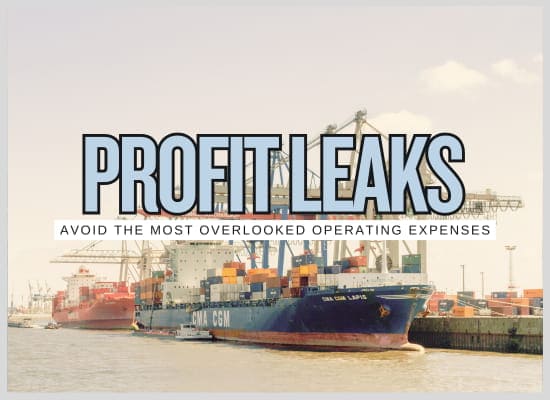
Running a commercial fleet is already a high-stakes operation, but many shipowners are bleeding cash in ways they don’t even realize. Beyond the obvious costs like fuel and crew salaries, there’s a web of hidden expenses that quietly eat away at your bottom line.
Some are buried in port operations, others in outdated systems, and a few are so routine they’ve become invisible. But make no mistake: these silent profit killers add up fast and could mean the difference between a lean operation and a money pit.
In this report, we uncover the top 12 hidden costs that are draining profits from fleets around the world and what you can do about them.

We welcome your feedback, suggestions, corrections, and ideas for enhancements. Please click here to get in touch.
- Demurrage and detention charges escalate quickly beyond free time.
- Idle crew time and vessel standby costs bleed cash silently.
- Late delivery penalties from clients or charter parties.
- In heavily congested ports, delays can cost $20,000–$50,000+ per vessel per day.
- Chronic issues at high-volume terminals like Los Angeles, Rotterdam, or Chittagong can disrupt entire sailing schedules.
- Use dynamic routing and port call optimization software to avoid hotspots.
- Negotiate better SLAs with terminals and bunker suppliers.
- Leverage AIS tracking tools to time arrivals more precisely.
Bottom line: Even a well-run ship can lose profits sitting idle at berth. Cutting port delays by just 10% can significantly increase annual fleet ROI.
- Even light fouling can increase fuel consumption by 10–15%.
- Heavy biofouling can raise resistance by over 60%, slashing speed and increasing fuel costs.
- Undetected fouling over months leads to inefficient voyages and higher emissions penalties.
- Annual added fuel cost per vessel can range from $150,000 to $500,000+ depending on trade lanes and vessel type.
- Ships may fall out of CII compliance, leading to regulatory and reputational risk.
- Schedule regular underwater ROV hull inspections to detect early-stage fouling.
- Use high-performance antifouling coatings during drydock to extend intervals between cleanings.
- Incorporate hull-cleaning programs in ports with approved in-water cleaning services.
Bottom line: Hull fouling doesn’t just slow you down—it quietly burns through your fuel budget. Staying ahead of it is one of the smartest fuel-saving strategies in commercial shipping.
- Delays extend time at berth, increasing port fees and delaying next port arrivals.
- Crews remain on duty longer, inflating labor costs and OPEX.
- Late departures may result in slot fines or contract penalties.
- Each extra hour spent bunkering can cost $1,500–$5,000 depending on port fees and vessel type.
- In high-traffic hubs, missing a departure slot can cause delays of 12–24 hours.
- Pre-vet bunker suppliers based on average pump-out rates and reliability.
- Negotiate contracts with time clauses and penalties for slow bunkering.
- Use bunker planning software to optimize fueling location and timing.
Bottom line: Bunker speed matters. A slow transfer at a single port can ripple through your schedule and profit margins—especially on tight voyage rotations.
- Longer-than-necessary routes increase fuel consumption and emissions.
- Failure to avoid storms or adverse currents can delay arrivals and damage cargo.
- Passing through high-risk regions (e.g., piracy zones, war zones) can raise insurance costs.
- Rerouting around the Red Sea or Suez adds $300,000–$1 million per trip in fuel and time costs.
- Voyage optimization systems can cut fuel use by 5–15% per leg.
- Implement AI-powered routing software that accounts for fuel pricing, weather, and risk zones.
- Regularly update routing policies based on global developments.
- Use risk analysis tools to avoid unnecessary exposure to high-risk areas.
Bottom line: Your route affects your bottom line. Smart routing isn't just faster—it's safer, cheaper, and better for compliance and crew morale.
- Poor visibility results in overfueling, route delays, and reactive decisions.
- Manual paperwork increases human error and slows compliance reporting.
- Lack of integration between systems (crew, cargo, weather, maintenance) leads to data silos and operational blind spots.
- Modernizing fleet systems can reduce fuel waste and maintenance costs by 10–20%.
- Outdated systems contribute to lost revenue opportunities from missed alerts, billing errors, or suboptimal routing.
- Invest in cloud-based TMS or fleet platforms with predictive analytics.
- Ensure systems are compatible across departments—bridge, engine room, and shore office.
- Use platforms that integrate AIS, weather, fuel tracking, and compliance into a single dashboard.
Bottom line: Yesterday’s tech leads to today’s lost profits. Upgrading your fleet’s digital backbone is one of the fastest ways to boost efficiency and reduce long-term operating costs.
- Missing or outdated certificates can trigger claim denials or raise premiums.
- Failure to follow IMO/SOLAS safety regulations can result in fines or detainment.
- Operating in sanctioned regions or gray zones without proper disclosure leads to surcharge hikes or blacklisting.
- Insurance premiums can increase by 10–25% due to poor safety scores or unresolved survey findings.
- Non-compliance with MARPOL or ballast water rules can result in fines from $10,000 to over $100,000 per incident.
- Conduct internal audits and keep all compliance certificates current and accessible.
- Use digital platforms to track safety records and upcoming renewals.
- Work with insurers who reward transparency and safety improvements with lower rates.
Bottom line: Insurance isn’t just protection—it’s a reflection of your operational discipline. Staying compliant lowers your risk profile and gives you leverage in premium negotiations.
- Costs include recruitment, background checks, onboarding, and safety training.
- Temporary understaffing reduces operational efficiency and increases risk.
- Experienced crew often leave for better contracts, forcing fleets to rely on less seasoned replacements.
- Replacing a single officer can cost $8,000–$20,000 depending on role and geography.
- Frequent turnover lowers safety compliance ratings, impacting insurance and chartering opportunities.
- Offer competitive compensation packages and scheduled rotations to retain skilled crew.
- Invest in digital training platforms to reduce onboarding time and cost.
- Build a reliable crew pool and track performance history for fast redeployment.
Bottom line: A stable, experienced crew is one of the most cost-effective assets a fleet can have. Reducing turnover boosts safety, saves money, and improves operational continuity.
- Buying during peak price periods or high-demand ports increases per-ton costs.
- Lack of negotiated contracts or spot buying eliminates volume discounts.
- Emergency top-offs due to poor planning can lead to supplier surcharges.
- Even a $50/MT price difference on a 1,000 MT bunkering can cost $50,000 extra.
- Annual fuel overspend from poor procurement can easily exceed $500,000 per vessel.
- Use bunker procurement platforms that provide market forecasting and price benchmarking.
- Negotiate fuel contracts with trusted suppliers in low-cost ports along regular routes.
- Plan fueling schedules ahead of time using voyage and port cost analysis tools.
Bottom line: Fuel prices fluctuate by port, day, and demand. Locking in fuel at the right time isn’t just smart—it’s essential to protecting your margins.
- Failure to claim environmental grants or credits tied to alternative fuels or retrofits.
- Overlooking VAT or import duty rebates on international provisioning or spare parts.
- Missing government or port authority subsidies tied to clean shipping or local hiring.
- Many shipowners lose $100,000+ per year in unclaimed rebates and incentives.
- Energy-efficiency subsidies (like EU ETS credits or ballast water incentives) can reduce upgrade costs by 20–50%.
- Work with a maritime tax specialist or firm familiar with multi-jurisdictional shipping rules.
- Create an internal checklist of eligible subsidies based on each ship’s operating region.
- Use digital tools or subscription services that alert you to incentive program deadlines and eligibility changes.
Bottom line: Tax breaks and shipping subsidies aren’t loopholes—they’re opportunities. If you’re not claiming what’s available, you’re leaving money on the table every single year.
- Increased drag due to incorrect trim and draft profiles leads to fuel inefficiency.
- Uneven weight distribution causes stress on the hull and propulsion systems.
- Unsecured or shifted cargo may result in damage claims, delays, or compliance violations.
- Improper trim alone can increase fuel consumption by 2–5% on long voyages.
- Insurance claims from cargo damage due to poor stowage can exceed $100,000 per incident.
- Use digital load calculators and ballast management tools to optimize vessel trim.
- Train cargo planners on safe and efficient stowage practices, especially for mixed or oversized loads.
- Conduct regular audits of loading procedures, particularly for chartered vessels or frequent port calls.
Bottom line: Smart stowage saves fuel, prevents damage, and protects your ship’s long-term health. Poor balance decisions can quietly turn a profitable run into a loss.
- Unscheduled downtime disrupts voyage plans and delays cargo delivery.
- Emergency parts and repairs often cost 2–3× more than planned maintenance.
- Breakdowns at sea may trigger tow fees, off-hire penalties, or even vessel detainment.
- Unplanned maintenance costs fleets an average of 10–15% more annually than proactive programs.
- Downtime from a single engine failure can cost $25,000–$100,000+ depending on location and charter status.
- Implement condition-based or predictive maintenance using IoT sensors and diagnostic software.
- Track component lifecycle data across your fleet and schedule drydock time proactively.
- Bundle maintenance tasks to reduce service intervals and labor overlap.
Bottom line: You can pay a little now—or a lot later. Smart maintenance planning protects your margins, reputation, and ship reliability.
- Empty container repositioning adds fuel, labor, and handling costs.
- Detention and demurrage fees from late returns or overuse of leased equipment.
- Missed bookings or rerouting due to container unavailability at origin ports.
- Global container imbalance costs the shipping industry billions annually.
- Repositioning just one empty container from Europe to Asia can cost $500–$1,000+.
- Extended detention fees can exceed $100 per container per day after free time expires.
- Use digital equipment management systems to monitor container flows in real time.
- Collaborate with container-sharing platforms or third-party repositioning services.
- Negotiate flexible leasing terms with equipment providers based on season and region.
Bottom line: Containers are assets—when they’re where they need to be. Imbalances may seem like a logistics issue, but they quickly become a financial one if left unmanaged.
Hidden costs are often the most dangerous because they go unnoticed—until profit margins shrink and operational headaches pile up. The good news is that most of these issues are avoidable with the right strategy, tools, and awareness.
By taking a closer look at these 12 areas, shipowners and fleet managers can uncover serious savings and reduce unnecessary risk. Whether it’s optimizing bunker timing, tightening maintenance schedules, or rethinking crew retention, every improvement adds up over the course of a year.
In today’s competitive shipping environment, the fleets that succeed won’t just sail faster—they’ll run leaner, smarter, and with far fewer hidden drains on profitability.