12 Weak Points Hackers Exploit on Modern Ships in 2025
🔔 Subscribe to ShipUniverse Weekly →
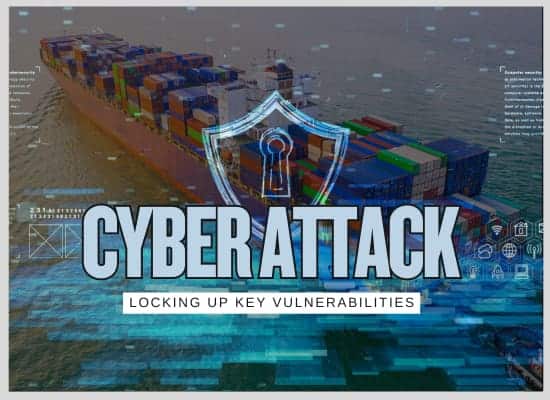
As ships become more connected, they also become more exposed. From bridge navigation systems and satellite communications to crew networks and IoT-based cargo sensors, modern vessels rely heavily on digital infrastructure. While these systems improve efficiency and performance, they also introduce new cybersecurity risks—some of which are still widely overlooked across the industry.
Cyberattacks on maritime assets are no longer rare. Ports have been disrupted, cargo tracking systems have been locked down, and in several cases, onboard systems have been compromised while underway.
This report outlines 12 common—and often underestimated—vulnerabilities found on modern ships in 2025. For shipowners, operators, and technical managers, identifying and addressing these weak points is critical for both safety and business continuity.

We welcome your feedback, suggestions, corrections, and ideas for enhancements. Please click here to get in touch.
ECDIS (Electronic Chart Display and Information System) has become a core navigation tool on modern ships—but its complexity and connectivity also make it a prime target for cyber threats. From outdated software to poor access controls, vulnerabilities in ECDIS can directly compromise vessel navigation and safety.
🔍 The Exposure:- Many ECDIS units run on outdated or unsupported operating systems.
- Charts and updates are often loaded manually via USB, introducing malware risk.
- Improper user access control can allow unauthorized changes to navigational data.
- Manipulated chart data could lead to grounding or unsafe routing.
- Malware infection may disable or freeze ECDIS mid-voyage.
- Lack of alerts for unauthorized access can delay detection of breaches.
- Ensure ECDIS software and operating systems are regularly updated.
- Use dedicated, scanned devices for chart uploads—no open-use USBs.
- Restrict user access based on role and log all activity for auditing.
AIS (Automatic Identification System) is essential for vessel tracking and collision avoidance—but it can also be manipulated. Spoofing attacks can falsify a ship’s identity, location, or route, allowing bad actors to hide movements, evade enforcement, or create navigational confusion for nearby vessels.
🔍 The Exposure:- Vessels can broadcast false positions or identities to evade tracking.
- Attackers may mimic another vessel’s AIS signature, causing confusion.
- AIS data is often trusted without verification, increasing risk.
- Navigation teams may base decisions on false traffic data.
- Vessels may unknowingly enter high-risk zones due to spoofed surroundings.
- Authorities may lose visibility on illegal activity like sanctions evasion or smuggling.
- Validate AIS data against radar, satellite imagery, and other sources.
- Install anomaly detection tools to flag unrealistic vessel movements.
- Update AIS firmware regularly and monitor for tampering attempts.
- Train crew to report discrepancies between visual and AIS data.
Satellite communication (Satcom) systems are essential for modern maritime operations, providing connectivity for navigation, weather updates, and crew welfare. However, the increasing reliance on Satcom has introduced significant cybersecurity vulnerabilities. Threat actors can exploit these systems to intercept communications, deploy malware, or disrupt services, potentially compromising vessel safety and operations.
🔍 The Exposure:- Unsecured Satcom terminals can be accessed remotely by attackers.
- Phishing attacks targeting crew members can lead to malware installation via Satcom links.
- Inadequate segmentation between Satcom and operational networks increases risk.
- Loss of critical communications affecting navigation and safety.
- Unauthorized access to sensitive vessel data.
- Potential for ransomware attacks disrupting operations.
- Implement robust firewalls and intrusion detection systems for Satcom networks.
- Regularly update and patch Satcom system software to address vulnerabilities.
- Conduct crew training on cybersecurity best practices to prevent phishing attacks.
- Ensure proper network segmentation between Satcom and operational systems.
Crew members often use personal devices onboard for communication, entertainment, or work-related tasks. However, these devices can inadvertently introduce malware into the ship's network, especially when connected via USB drives or unsecured Wi-Fi connections. Such vulnerabilities can compromise critical systems and pose significant risks to vessel operations.
🔍 The Exposure:- Use of infected USB drives on ship systems can introduce malware.
- Connecting personal devices to unsecured Wi-Fi networks increases vulnerability.
- Lack of proper cybersecurity protocols for personal device usage onboard.
- Potential disruption of navigation and communication systems.
- Unauthorized access to sensitive vessel data.
- Propagation of malware across ship and shore-based networks.
- Implement strict policies regulating the use of personal devices onboard.
- Ensure all USB devices are scanned for malware before use.
- Provide secure Wi-Fi networks with proper encryption and access controls.
- Conduct regular cybersecurity training for crew members.
Remote access solutions, including Virtual Private Networks (VPNs), are integral to modern maritime operations, enabling off-site monitoring, diagnostics, and updates. However, if these access points are not properly secured, they can become gateways for cyber attackers. Exploiting vulnerabilities in remote access systems can lead to unauthorized control over critical ship functions, posing significant risks to vessel safety and operations.
🔍 The Exposure:- Use of default or weak passwords on remote access systems.
- Unpatched vulnerabilities in VPN software or remote access tools.
- Inadequate network segmentation allowing lateral movement post-breach.
- Unauthorized access to navigation and propulsion systems.
- Deployment of ransomware or other malicious software disrupting operations.
- Data breaches compromising sensitive vessel and cargo information.
- Implement multi-factor authentication (MFA) for all remote access points.
- Regularly update and patch all remote access and VPN software.
- Conduct routine security audits and penetration testing to identify vulnerabilities.
- Ensure proper network segmentation to isolate critical systems from remote access points.
Many modern ships continue to operate using outdated or unpatched operating systems and software. These legacy systems often lack the latest security updates, leaving them vulnerable to known exploits. The maritime industry's reliance on such systems, combined with the challenges of updating software at sea, increases the risk of cyberattacks that can compromise critical vessel operations.
🔍 The Exposure:- Unsupported operating systems no longer receive security patches, exposing known vulnerabilities.
- Outdated software may be incompatible with modern security tools, hindering threat detection.
- Limited connectivity at sea can delay the application of essential updates and patches.
- Increased susceptibility to malware, ransomware, and other cyber threats.
- Potential for system failures affecting navigation, propulsion, or cargo management.
- Compliance issues with international cybersecurity regulations and standards.
- Implement a robust patch management strategy to ensure timely updates.
- Schedule regular maintenance periods to update systems when in port.
- Utilize network segmentation to isolate outdated systems from critical operations.
- Invest in modernizing IT infrastructure to support current security protocols.
Weak or default passwords on critical ship systems pose a significant cybersecurity risk. These easily guessable credentials can be exploited by attackers to gain unauthorized access, potentially compromising navigation, propulsion, and communication systems. The maritime industry's reliance on default settings and lack of stringent password policies make vessels vulnerable to such threats.
🔍 The Exposure:- Use of factory-default passwords that are widely known and easily accessible.
- Weak password policies lacking complexity requirements.
- Infrequent password changes and lack of multi-factor authentication.
- Unauthorized access to critical systems leading to potential control over vessel operations.
- Data breaches compromising sensitive information.
- Increased susceptibility to ransomware and other cyberattacks.
- Implement strong password policies enforcing complexity and regular changes.
- Replace default credentials on all systems before deployment.
- Utilize multi-factor authentication for accessing critical systems.
- Conduct regular audits to identify and rectify weak password practices.
The convergence of Information Technology (IT) and Operational Technology (OT) networks on modern vessels enhances operational efficiency but also introduces significant cybersecurity risks. Without proper segmentation, a breach in the IT network can provide attackers with a pathway to access critical OT systems, potentially disrupting essential ship functions.
🔍 The Exposure:- Flat network architectures allow unrestricted communication between IT and OT systems.
- Lack of access controls enables unauthorized lateral movement across networks.
- Shared credentials and insufficient authentication mechanisms compromise network integrity.
- Cyberattacks originating from IT systems can infiltrate and disrupt OT operations.
- Malware can propagate across networks, affecting navigation, propulsion, and safety systems.
- Difficulty in isolating and containing cyber incidents due to interconnected networks.
- Implement strict network segmentation to isolate IT and OT environments.
- Deploy firewalls and intrusion detection systems to monitor and control inter-network traffic.
- Establish demilitarized zones (DMZs) to manage and secure data exchange between networks.
- Enforce role-based access controls and multi-factor authentication to restrict unauthorized access.
- Conduct regular audits and vulnerability assessments to identify and remediate security gaps.
Phishing attacks remain one of the most prevalent cyber threats in the maritime industry. Cybercriminals craft deceptive emails or messages that appear to originate from trusted sources, aiming to trick crew members and shore-based staff into divulging sensitive information, clicking on malicious links, or downloading harmful attachments. These attacks can lead to unauthorized access to critical systems, data breaches, and significant operational disruptions.
🔍 The Exposure:- Use of social engineering tactics to impersonate executives, vendors, or regulatory authorities.
- Distribution of emails with malicious attachments or links leading to credential theft or malware installation.
- Exploitation of human error due to lack of awareness or training on cybersecurity best practices.
- Compromise of sensitive information, including crew data, cargo manifests, and operational details.
- Unauthorized access to shipboard or shore-based systems, potentially leading to system outages or manipulation.
- Financial losses resulting from fraudulent transactions or ransom payments.
- Implement comprehensive cybersecurity awareness training programs for all personnel.
- Deploy advanced email filtering and threat detection solutions to identify and block phishing attempts.
- Establish clear protocols for verifying the authenticity of unexpected or unusual communications.
- Conduct regular phishing simulation exercises to assess and improve staff readiness.
- Encourage a culture of vigilance, where employees feel empowered to report suspicious activities without fear of reprisal.
The integration of Internet of Things (IoT) devices and sensors into maritime operations has enhanced efficiency and real-time monitoring. However, many of these devices are deployed with minimal security measures, making them vulnerable entry points for cyber attackers. Unsecured IoT components can be exploited to disrupt critical ship functions, compromise data integrity, and facilitate unauthorized access to broader network systems.
🔍 The Exposure:- Deployment of IoT devices with default or weak passwords.
- Outdated firmware lacking necessary security patches.
- Lack of encryption protocols for data transmission.
- Direct integration with operational networks without proper segmentation.
- Unauthorized control over essential systems like cargo management or navigation aids.
- Data breaches leading to loss of sensitive operational information.
- Potential for IoT devices to be co-opted into botnets, facilitating larger cyber attacks.
- Change default credentials and enforce strong password policies for all IoT devices.
- Regularly update device firmware to address known vulnerabilities.
- Implement network segmentation to isolate IoT devices from critical operational systems.
- Employ intrusion detection systems to monitor IoT network traffic for anomalies.
- Conduct periodic security assessments and audits of all connected devices.
Many modern vessels operate without continuous cybersecurity monitoring or intrusion detection systems (IDS), leaving them vulnerable to undetected cyber threats. Without real-time surveillance, malicious activities can persist unnoticed, potentially compromising critical ship systems and data.
🔍 The Exposure:- Absence of real-time monitoring tools to detect unauthorized access or anomalies.
- Limited visibility into network traffic and system activities, hindering threat detection.
- Delayed response to cyber incidents due to lack of immediate alerts.
- Prolonged exposure to cyber threats, increasing potential damage.
- Compromise of navigation, propulsion, or communication systems without timely detection.
- Non-compliance with emerging cybersecurity regulations requiring active monitoring.
- Implement real-time intrusion detection systems tailored for maritime environments.
- Establish a Security Operations Center (SOC) to monitor and respond to threats continuously.
- Integrate anomaly detection tools to identify unusual patterns in network behavior.
- Conduct regular audits and drills to ensure readiness against cyber incidents.
Inadequate cybersecurity training and awareness among crew members pose significant risks to maritime operations. Without proper understanding of cyber threats and best practices, crew members may inadvertently become the weakest link in the ship's cybersecurity defenses, leading to potential breaches and operational disruptions.
🔍 The Exposure:- Lack of regular training programs tailored to maritime cybersecurity challenges.
- Limited awareness of common cyber threats such as phishing, malware, and social engineering.
- Absence of clear protocols for identifying and reporting suspicious activities.
- Increased vulnerability to cyber attacks due to human error or negligence.
- Delayed response to cyber incidents, exacerbating their impact.
- Potential non-compliance with international cybersecurity regulations and standards.
- Implement comprehensive cybersecurity training programs for all crew members, emphasizing real-world scenarios and practical responses.
- Conduct regular drills and simulations to reinforce awareness and preparedness.
- Establish clear communication channels for reporting and addressing cybersecurity concerns.
- Integrate cybersecurity responsibilities into the ship's safety management system (SMS) to ensure accountability.