Iranian Gunboats Challenge U.S.-Flagged Stena Imperative in Strait of Hormuz
February 4, 2026
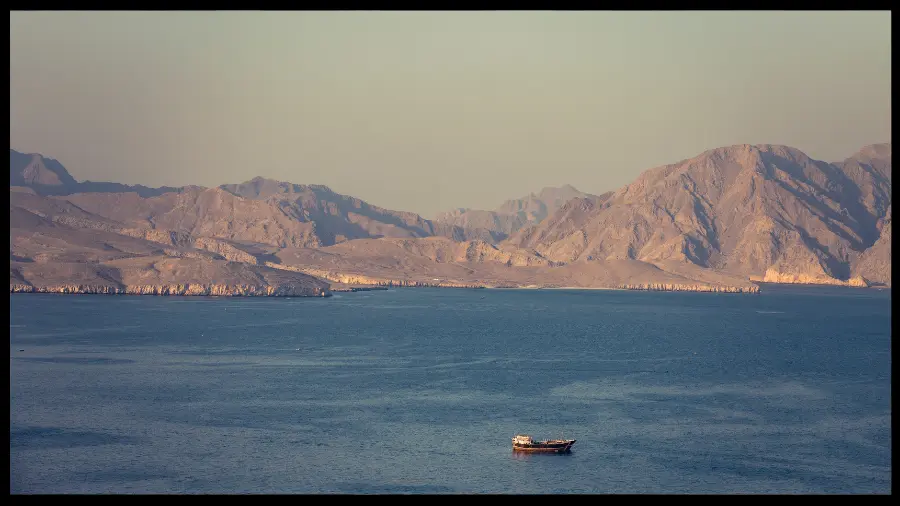
A U.S.-flagged tanker, Stena Imperative, was approached by Iranian fast craft while transiting the Strait of Hormuz north of Oman, according to maritime and security reporting. The encounter included demands to stop and the threat of boarding, and the tanker continued onward with U.S. naval support/escort reported during the incident.
Click here for 30 second summary
Hormuz contact incident in one read
A U.S.-flagged tanker, Stena Imperative, was approached by Iranian small craft during a Strait of Hormuz transit north of Oman. Reporting describes radio instructions to stop engines and prepare for boarding. The tanker continued on course and a U.S. warship was reported to escort it through the encounter window.
- Who and where
U.S.-flagged Stena Imperative, Strait of Hormuz north of Oman. - What was reported
Iranian craft challenged the vessel and threatened boarding; no boarding was reported. -
Bottom Line Impact
Contact events in Hormuz can raise operational caution and tighten risk review cycles for Gulf transits, with escort posture and rendezvous timing becoming practical variables even when voyages are not physically interrupted.
Strait of Hormuz incident update
U.S.-flagged Stena Imperative was approached by Iranian craft and continued transit with U.S. naval support reported
| Fast reader take | Incident details on record | Immediate execution effects | Risk posture signals | Closest stakeholders |
|---|---|---|---|---|
| Approach and challenge |
Iranian fast craft approached the U.S.-flagged tanker Stena Imperative during a Hormuz transit, with reporting describing demands to stop and threats of boarding.
Multiple outlets cite maritime/security sources for the interaction.
|
Bridge teams tend to move to heightened watch routines, tighter communications discipline, and more conservative speed and spacing during the encounter window. | The event reinforces that “contact risk” remains active in the strait even absent a boarding or damage report. | Tanker operators, charterers with Gulf liftings, and ship security managers running Gulf transits. |
| U.S. support reported |
Reporting indicates the tanker continued onward and was supported or escorted by a U.S. warship during the incident.
Escorted transit is framed as a protective posture rather than routine.
|
Escort availability and rendezvous timing can become a practical planning variable for future sailings if the posture persists. | Increases perceived probability of further naval “presence management” around sensitive transits. | Owners with U.S.-flag exposure, U.S.-linked cargoes, and those enrolled in security-related programs. |
| Geography matters |
The approach was reported in the Strait of Hormuz north of Oman, a corridor handling a large share of seaborne oil and refined product flows.
The tight sea room amplifies consequence of any close-quarters maneuvering.
|
Operators may build larger schedule buffers for strait transits and avoid “just-in-time” arrival assumptions at loadports/discharge ports. | Raises sensitivity to any follow-on advisories from naval forces and maritime security reporting channels. | Traders with time-sensitive cargo chains, terminals planning berth windows, and bunkering planners in the region. |
| What to watch next |
Whether additional approaches are reported in the next 24–72 hours and whether formal advisories update recommended practices for Hormuz transits.
The pattern matters more than a single contact event.
|
Repeated incidents can normalize higher-alert transits and increase the frequency of ship-specific security measures and checklists. | A persistent pattern typically pulls war-risk and operational scrutiny forward in the voyage planning cycle. | Underwriters, P&I and war-risk brokers, and commercial ops teams managing Gulf itineraries. |
Incident chronology
Incident chronology in plain terms
Reported sequence from maritime and security monitoring.
-
1Approach
Multiple Iranian small craft approached the tanker in the strait, north of Oman. -
2Radio challenge
The master was reportedly instructed to stop engines and prepare for boarding. -
3Continuation
The tanker reportedly did not stop and continued on course. -
4Escort posture
A U.S. warship was reported to escort the tanker through the encounter window.
vessel: Stena Imperative
U.S.-flagged
north of Oman
no boarding reported
Reports also noted the vessel did not enter Iranian internal territorial waters during the interaction.
Why this stays high on watchlists
The Strait of Hormuz concentrates high volumes of energy trade into a narrow operating area, so even short contact events can elevate caution for nearby transits.
Bars are a visual cue for operating sensitivity, not a measured index.
Event brief generator
Interactive
Outputs are based on the reported facts of this incident and the immediate planning questions it raises, not a broader advisory.
Brief
Bottom Line Impact
A live contact event in the Strait of Hormuz reinforces chokepoint execution risk for tankers. Even without a boarding, it can push more conservative bridge routines, increase sensitivity to escort posture and rendezvous timing, and shorten risk review cycles for nearby Gulf transits.
A live contact event in the Strait of Hormuz reinforces chokepoint execution risk for tankers. Even without a boarding, it can push more conservative bridge routines, increase sensitivity to escort posture and rendezvous timing, and shorten risk review cycles for nearby Gulf transits.
We welcome your feedback, suggestions, corrections, and ideas for enhancements. Please click here to get in touch.