Container Shipping 2026 Downcycle Warning: Newbuild Deliveries, Normalizing Demand, and Rate Pressure
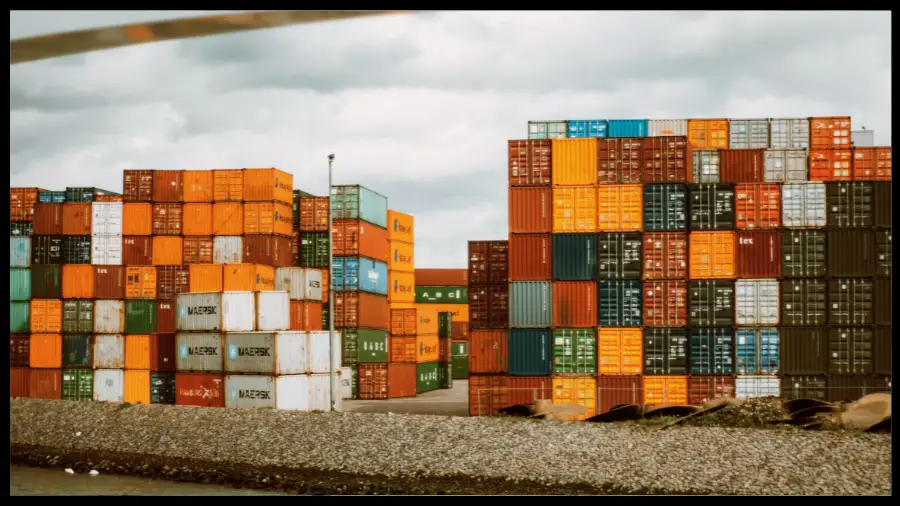
Fresh 2026 market commentary is increasingly framing container shipping as a post-boom downcycle setup: an elevated orderbook and heavy delivery schedule colliding with more modest demand growth and softer benchmark pricing after the 2021 to 2022 spike years. Rate indices are already showing volatility around a lower base, while analysts continue to flag the gap between expected fleet growth and demand growth as the core driver of the year’s negotiating tone.
Click here for 30 second summary
Container market warning in one read
Current 2026 market analysis is increasingly framing a post-boom downcycle setup in container shipping. The core logic is straightforward: heavy newbuild deliveries and a historically large orderbook meet more normalized demand growth, creating persistent sensitivity around utilization and pricing.
-
Structural driver
Fleet supply growth is expected to outpace demand growth in 2026 in several published outlooks, keeping overcapacity risk in play. -
Market expression
Spot benchmarks have been volatile but are being discussed against a lower baseline than the boom-era bands. -
Bottom Line Impact
The 2026 signal is a capacity-led warning: delivery cadence plus normalized demand can widen rate dispersion, accelerate redeployment, and increase schedule and call-pattern variability even without a single dramatic shock event.
| Reader shortcut | 2026 setup | Impact | Industry Shifts |
|---|---|---|---|
| Delivery wave pressure |
A heavy newbuild delivery schedule is the dominant downcycle driver cited in current analysis.
Orderbook levels have been reported near 9.8 to 10.4m TEU, depending on data provider and counting rules.
|
Liner networks with the most late-decade intake, plus regional operators that receive cascaded ships. | More active capacity management signals (blanks, service trims, slow steaming) as supply rises into demand. |
| Demand normalization |
Forecasts broadly point to modest demand growth rather than boom conditions.
Several outlooks put demand growth around low single digits for 2026.
|
Trade lanes where tender season locks in contract levels and where inventory cycles soften. | Negotiations shift toward rate floors, service reliability clauses, and tighter accessorial control. |
| Rate benchmark tone |
Spot indices remain volatile, but commentary increasingly frames the baseline as lower than the boom era.
Example: Drewry WCI was reported at $2,107 per 40ft on 29 Jan 2026.
|
Carriers setting FAK levels, shippers benchmarking spot versus contract, and NVOs pricing commitments. | Wider gap between short-lived spikes and the level shippers target for longer contracts. |
| Charter market squeeze risk | The downcycle setup increases the risk of softer charter terms as more ships deliver into the market. | Charter owners, lessors, and operators with near-term rechartering or open exposure. | Shorter charter durations and more rate sensitivity by size band as re-fixing becomes more frequent. |
| Cascading and redeployment | As larger ships deliver, mid-size and feeder tonnage can be pushed into secondary trades. | Regional carriers, feeder networks, and ports that compete for relay volume and hub calls. | More frequent service reshuffles, with intensity rising where port limits constrain the biggest ships. |
| Port and inland spillovers | Volume can shift between gateways as services are redesigned and hubs reposition. | Terminals planning berth windows and yard density, plus rail and drayage operators tied to major gateways. | More variability in peak-day stacks and call bunching as carriers re-time strings to protect utilization. |
Benchmark indices have been moving lower from recent highs, reinforcing a softer starting point for 2026 rate conversations.
Multiple outlooks highlight fleet growth outpacing demand growth as a core 2026 pressure point.
The orderbook remains historically large, keeping forward capacity availability in focus for carriers, charter owners, and ports.
More slots chase steady demand
New deliveries increase available capacity, and utilization becomes harder to protect without active capacity management.
Bigger ships push down the ladder
As large ships enter core trades, mid-size and regional tonnage can be displaced into secondary lanes, shifting competitive intensity.
Call patterns and peaks get choppier
Service redesigns can change which gateways win calls, and can increase bunching risk even if annual volume is stable.
We welcome your feedback, suggestions, corrections, and ideas for enhancements. Please click here to get in touch.