India Budget 2026 funds ₹10,000 crore container manufacturing scheme
February 2, 2026
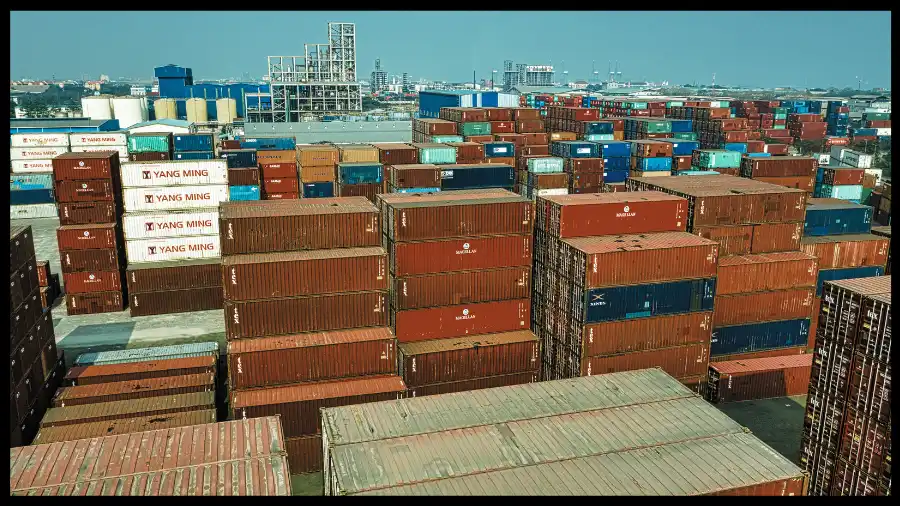
India’s Union Budget 2026-27 announced a new multi-year container manufacturing scheme, budgeting ₹10,000 crore (₹100 billion) over five years to build a globally competitive domestic container production ecosystem. The policy intent is to reduce import reliance and improve availability resilience after the shortage cycles seen in recent years.
Click here for 30 second summary
India container manufacturing scheme in one read
India’s Union Budget 2026-27 speech announced a Scheme for Container Manufacturing, framed as a multi-year push to create a globally competitive domestic container manufacturing ecosystem.
- Budgeted allocation
₹10,000 crore announced for the scheme. - Program window
Allocation stated as spread over a five-year period. -
Bottom Line Impact
The key shipping relevance is longer-cycle: if output scales and is accepted in leasing and interchange channels, domestic manufacturing can influence availability and sourcing assumptions over time.
India container manufacturing scheme
Budgeted ₹10,000 crore over five years to scale domestic container production
| Reader shortcut | Scheme signal | Execution path | Shipping read-through | Key watchpoints |
|---|---|---|---|---|
| Money and runway |
₹10,000 crore is earmarked for a container manufacturing scheme, structured as a multi-year push.
Budget framing emphasizes global competitiveness and ecosystem-building.
|
Guidelines, eligibility rules, and incentive mechanics are expected to follow the budget announcement, then project approvals and build-out. | If executed, domestic supply can reduce container scarcity risk during demand spikes and repositioning shocks. | Speed from policy to plant decisions, and the first confirmed production lines. |
| Import reliance lever | Policy intent is to reduce dependence on imported containers by expanding local manufacturing capacity. | Incentives may be structured around capex support, throughput-linked benefits, or supply-chain localization, depending on final design. | Over time, this can influence leasing lead times, pricing, and regional availability assumptions. | Whether Indian-built boxes achieve cost parity and consistent quality at scale. |
| Acceptance is the gate |
Container manufacturing only “counts” commercially when major lessors and large shippers accept boxes without friction.
Auditability and certification matter as much as production.
|
Expect early focus on standard dry boxes first (20’/40’) before specialty units, as acceptance pipelines mature. | Faster acceptance widens liquidity: easier leasing, resale, and interchange improves utilization and reduces idle. | Certification, inspection regimes, and who places the first large purchase orders. |
| Realistic timeline | This is a structural initiative, not a spot-market shock; impact ramps as factories come online and output clears leasing channels. | Watch for tenders, factory announcements, steel input contracts, and first-batch deliveries. | A steady domestic stream can reduce long repositioning loops and support smoother inland equipment handoffs in South Asia. | First “real volume” milestones and repeat-order behavior. |
Allocation
₹10,000 crore total budgeted for the scheme.
₹10,000 crore
multi-year
Time horizon
Five-year budget window as stated in the budget speech.
5 years
program ramp
Stated intent
Create a globally competitive container manufacturing ecosystem in India.
domestic supply
ecosystem focus
Where this touches shipping and logistics first
Availability
Potential to add an additional supply lane for standard boxes over time.
Relevance shows up when production is consistent and widely accepted in leasing channels.
Leasing
Lessors and large users are the commercial gate for widespread adoption.
Quality, auditability, and interchange behavior drive acceptance more than announcements.
Imports
Policy framing signals an intent to reduce reliance on imported containers.
Net impact depends on pricing, steel inputs, and steady order flow.
Timing
This is a build-and-scale initiative, not an immediate spot-market shift.
Near-term indicators are guidelines, plant commitments, and first batch deliveries.
Budget per container quick tool
Use your assumed annual output to translate the program allocation into an implied support intensity.
Result
Enter an assumed annual TEU output (and optionally an FX rate), then click Calculate.
Enter an assumed annual TEU output (and optionally an FX rate), then click Calculate.
Bottom Line Impact
The budgeted five-year scheme is a strategic supply initiative that can change container sourcing and availability assumptions if domestic output scales and is broadly accepted by leasing and interchange channels.
The budgeted five-year scheme is a strategic supply initiative that can change container sourcing and availability assumptions if domestic output scales and is broadly accepted by leasing and interchange channels.
We welcome your feedback, suggestions, corrections, and ideas for enhancements. Please click here to get in touch.