Sinokor’s VLCC Shopping Spree: Concentration Risk Creeps Into the Crude Market
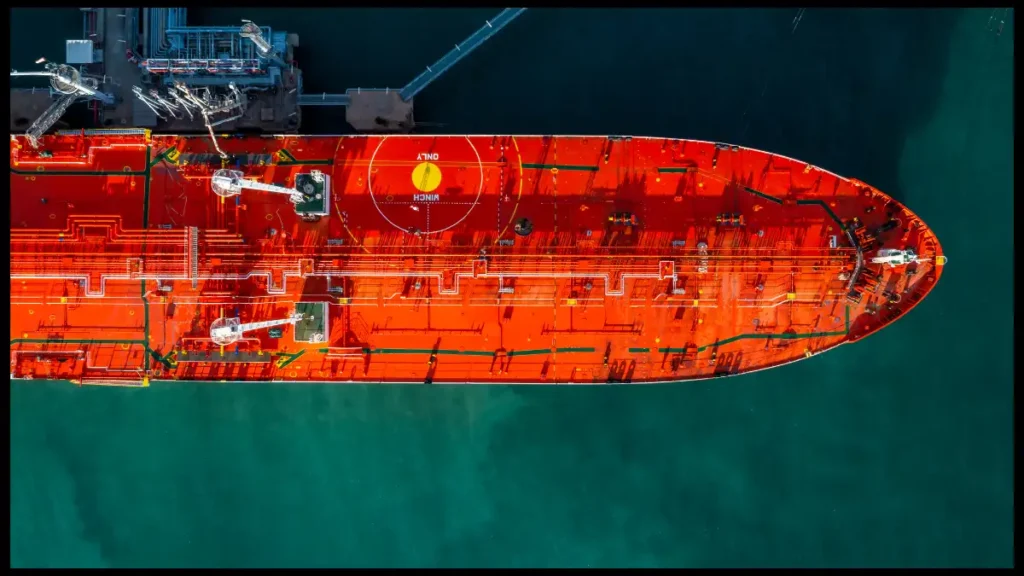
Sinokor’s fast accumulation of VLCC tonnage has become the kind of S&P cycle that changes behavior beyond the ships actually sold: secondhand price talk firms up, pool and chartering lineups get reshuffled, and “clean, easy-to-fix” crude liftings become more sensitive to which owners control prompt availability. Multiple industry reports tie Sinokor to a very large batch of VLCC purchases and charters, including a confirmed en-bloc VLCC sale by Frontline, with broker estimates putting the broader haul at roughly the high-20s to around 30 ships depending on what ultimately closes.
Get the maritime stories operators are watching.
Stay ahead of vessel markets, port disruption, maritime technology, and more.
Click here for 30 second summary
VLCC control is concentrating, and the market is reacting through benchmarks and a thinner prompt list
Recent reporting links Sinokor to a very large batch of VLCC purchases and charter control, and a key disclosed reference point is Frontline’s sale of eight VLCCs for about $831.5 million. The shipping impact is not a single “rate call.” It shows up as faster repricing in secondhand expectations and wider dispersion between ships that clear quickly and ships that come with more friction.
-
Benchmark reset
Big, visible en-bloc deals become new reference points and tend to lift seller expectations for comparable tonnage. -
Prompt list effect
When ships move under longer cover or change trading programs, they stop behaving like open spot supply in the weeks that matter. -
Freight dispersion
In tighter screening conditions, the most tradable ships clear faster and can earn a premium even when other ships lag.
This is an S&P-driven shift that can still move spot behavior: concentration changes who controls prompt availability, and that is why the market feels tighter in windows even before demand changes.
| Market lever | Deal reality | Shipping mechanics | Practical impact |
|---|---|---|---|
| Scale signal | Industry reporting links Sinokor to a very large VLCC haul across purchases and time-charter style control, with estimates often clustering around the high-20s to about 30 ships if all components conclude. | Control matters as much as ownership: if ships are tied up under long cover, they are effectively removed from the prompt spot list. | Availability becomes less “market wide” and more “who controls which hulls,” especially in tight windows. |
| Confirmed benchmark sale | Frontline disclosed an en-bloc sale of eight older VLCCs for about $831.5m, a deal widely associated with the broader Sinokor-driven S&P wave. | Large en-bloc deals create instant repricing points for brokers and valuers, then ripple into the next negotiations. | Secondhand price expectations firm quickly and buyers who want prompt tonnage face less negotiating leverage. |
| Price floor effect | Valuation commentary has described VLCC secondhand values firming as the buying spree sets new reference points. | Once one player repeatedly clears ships above “last done,” sellers anchor higher and the market re-calibrates. | Asset prices can run ahead of spot earnings for a period, changing the risk profile for late entrants. |
| Pool and program reshuffle | Coverage suggests some VLCCs may rotate out of pooling arrangements if sales conclude, changing the trading program mix for pools and managers. | Pools balance earnings and employment by aggregating ships; losing ships alters voyage options and negotiating posture. | Counterparties may see fewer “pool” options and more “single-controller” options, affecting fixture dynamics. |
| “Clean tonnage” scarcity | In a higher-screening environment, charterers and traders often pay up for ships with uncomplicated histories and stable cover. | When risk screens tighten, not all VLCCs are equally usable, even if technically available. | Rate dispersion can widen: a clean ship clears quickly while higher-friction ships sit idle or trade at a discount. |
| Prompt positioning power | Concentrating control over multiple VLCCs can influence where ships ballast next and how quickly a basin “tightens” in a specific week. | Ballast decisions determine who shows up for next stems; a coordinated repositioning can change local supply conditions. | Short-term volatility increases, especially around MEG load windows and long-haul fixtures. |
| Liquidity and optionality | When one buyer absorbs a large share of the sale list, the remaining market can feel thinner, with fewer comparable “alternatives” on offer. | Lower liquidity raises execution risk for both buyers and sellers and can stretch negotiation time. | Charterers may face fewer last-minute substitutes, making replacement cover harder during disruptions. |
| Strategic capital rotation | Some reporting frames the tanker buying spree alongside broader fleet strategy changes, including discussion of asset rotation out of other segments. | When capital pivots aggressively into crude, it can amplify cycles by concentrating money where sentiment is already improving. | The market starts watching Sinokor’s next move as a signal for the secondhand direction. |
When control concentrates, the freight signal is dispersion, not a single number
A rapid accumulation of VLCC exposure changes the market in two ways at once: it tightens the prompt list in specific windows, and it widens the gap between fast-clearing ships and high-friction ships. That is why this story reads through to spot behavior even though it starts in S&P.
Market mechanics in three moves
The sale list dries up and benchmarks jump
Once a single buyer keeps clearing multiple ships, sellers anchor higher and “last done” levels reset quickly for similar vintage tonnage.
The prompt list narrows in the weeks that matter
Ships that shift into longer cover, pool exits, or different trading programs stop behaving like free-floating spot supply.
Rates do not move evenly
In higher screening environments, the most tradable ships clear fastest and earn a premium, while less tradable ships can lag even in the same basin.
Hard benchmark that the market can price off
Disclosed reference point
Frontline sale: eight VLCCs for about $831.5 million
Multiple industry outlets reported the buyer was reputed to be Sinokor, with delivery expected in early 2026.
Why this matters beyond those hulls
En-bloc pricing becomes the new “phone call level”
Once a block sale is public, the next negotiation often starts at or above that level for comparable ships, and it can spill into time-charter expectations too.
Near-term pressure points (qualitative dashboard)
Secondhand price firmness
Elevated
Prompt-list tightness (specific windows)
Elevated → High
Rate dispersion (clean vs high-friction ships)
High
Re-positioning influence (ballast decisions)
Medium
This panel visualizes the typical market reaction described in recent coverage: faster repricing in S&P, tighter prompt availability in certain weeks, and wider rate dispersion.
Prompt List Tightness Lens (interactive, scenario-based)
This is a scenario tool for how “control” can reduce tradable prompt supply by tying ships up in longer cover or higher-friction execution. It does not assume a specific route or rate.
VLCCs controlled by one buyer (scenario)
80 ships
Share tied up in longer cover (percent)
45%
Share that is higher-friction to clear (percent)
20%
Extra days consumed per “friction” voyage (days)
2.0 days
Assumed sea days per ship per month (days)
22 days
Tradable prompt ships (scenario): 0
Effective ship-days removed (scenario): 0 days/month
Interpretation: 0
Low tightnessUse this to frame why the market can feel tighter even without a headline change in crude demand. Time and eligibility move first.
Signals that confirm it is spreading beyond S&P
- More “last done” references in fixtures and time charters pointing back to the same sale benchmarks.
- Wider spread between ships that clear quickly and ships that trigger longer internal checks.
- More frequent repositioning waves that tighten a basin for a week, then release it as ships arrive.
With a large share of VLCC exposure reportedly consolidating under a single controller, the market impact is being felt through benchmark-setting in secondhand pricing and a thinner prompt list in specific windows, rather than a uniform move across all ships. Attention now shifts to which hulls actually change trading patterns after delivery and re-fixing, and whether the rate spread between fast-clearing ships and higher-friction ships continues to widen as counterparties tighten screening.
We welcome your feedback, suggestions, corrections, and ideas for enhancements. Please click here to get in touch.