Court Orders Put Offshore Wind Back on the Water and Shipping Feels It First
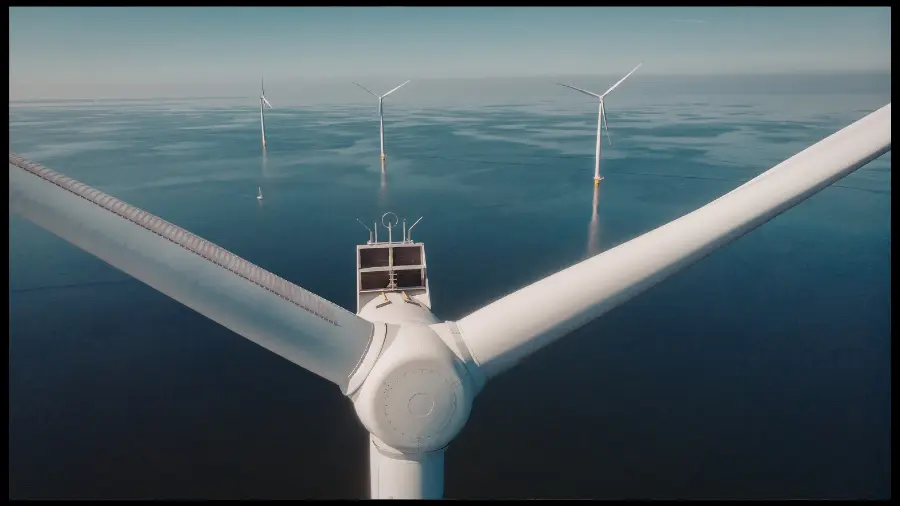
A string of court moves is reopening offshore wind construction just as winter calendars and vessel availability get tight. Equinor’s Empire Wind has been cleared to restart work after a judge weighed “irreparable harm” tied in part to the time-sensitive use of scarce installation assets, and another ruling on Dominion’s request to restart Virginia’s flagship project is next on the calendar. For maritime stakeholders, the immediate story is not politics. It is dayrate pressure, vessel scheduling, and the knock-on squeeze across cable-layers, PSVs, tugs, crew transfer, and port-side marine logistics when large wind jobs switch back on quickly.
Get the maritime stories operators are watching.
Stay ahead of vessel markets, port disruption, maritime technology, and more.
Click here for 30 second summary
Offshore wind restarts in one read
Court rulings are reopening offshore wind construction that was recently paused, starting with Equinor’s Empire Wind being cleared to resume work while litigation continues. Another decision is pending on Dominion’s request to restart Coastal Virginia Offshore Wind. For shipping, the immediate effect is not policy debate, it is vessel scheduling: high-spec installation spreads are scarce and seasonal windows remain fixed.
-
Maritime Impact
Installation and cable spreads are the constraint. When construction restarts, these assets get locked into time blocks that are hard to replace or reschedule. -
How the knock-on spreads
Once the anchor vessels are committed, support tonnage and port staging tighten around them, pulling in PSVs, tugs, crew transfer, guard craft, and component logistics. -
Watching
Additional court decisions can stack projects into overlapping windows, increasing urgency pricing, tougher cancellation language, and tighter availability across the regional charter market.
The return of construction activity can quickly firm marine service demand and terms because time-sensitive vessel access and seasonal execution windows make “lost days” expensive and hard to recover.
| Pressure point | Court and project snapshot | Vessel and schedule effects | Commercial knock-on for shipping |
|---|---|---|---|
| Empire Wind restart | A federal judge allowed Equinor to resume work on Empire Wind after a federal suspension tied to stated national security concerns. | Restart decisions tend to lock in scarce installation and heavy-lift time blocks, because crews, spreads, and port staging have to be reassembled fast. | When a large project flips back on, the “available pool” of specialist tonnage shrinks and dayrate confidence firms for comparable spreads. |
| Why timing mattered in court | Reuters reported the judge weighed “irreparable harm,” linked in part to the time-sensitive use of rare construction vessels and the risk of viability loss from delay. | Seasonal windows become a hard constraint: delays do not just shift dates, they compress the workable weather and regulatory execution period. | Compression pushes owners and contractors to price higher urgency into mobilization, standby, and late-stage scope changes. |
| Dominion ruling next | Reuters reported a judge is set to decide whether Dominion can resume construction on the Coastal Virginia Offshore Wind project after a federal halt. | A restart at this scale can pull additional specialist assets into the region, tightening the “bench depth” for surge work and replacements. | The market effect shows up in availability first, then in dayrate tone and stricter commercial terms for vessel options and change orders. |
| Scarce tonnage channel | Offshore wind depends on a limited set of high-spec installation vessels and supporting spreads that are not easily substituted. | Once these ships are committed, the rest of the marine supply chain has to match their cadence: feeders, PSVs, tugs, crew transfer, and guard craft. | Even operators outside wind feel it through tighter local charter markets and reduced ability to source “quick lift” capacity. |
| Port and logistics pull | Restart work forces an immediate refresh of port calls for staging, crew rotation, spares, and heavy components. | Ports supporting wind campaigns can see sudden berth and yard pressure, with higher sensitivity to weather delays and rescheduling. | Marine logistics providers often gain pricing power when restart timing is non-negotiable and the project is chasing a calendar. |
| Contracting friction point | Stop work then restart typically triggers contract mechanics around demobilization, remobilization, standby, and schedule relief. | Vessel owners and contractors prioritize clarity on who pays for idle time and reassembly, which can slow restart unless paperwork moves fast. | Expect sharper terms around cancellation windows, stand-by rates, and documentation requirements for any “on-call” marine assets. |
| Forward market read-through | Multiple projects receiving temporary relief through court orders can shift sentiment from “pause risk” to “restart wave.” | That read-through matters because it supports longer booking horizons and reduces the willingness to discount forward availability. | A restart wave can harden pricing across adjacent offshore construction work as owners re-rate utilization expectations. |
When a large offshore wind project restarts, it does not restart alone. It pulls an entire marine “spread” back into a tight window: installation vessels, cable-lay, feeders, tugs, PSVs, crew transfer, guard craft, and port staging. The commercial shock arrives as availability and terms tighten, not as a single headline dayrate.
Empire Wind restart brings back a committed spread
The judge allowing construction to resume placed weight on time sensitivity tied to rare construction vessels. In practice, that means booked blocks are harder to unwind, and contractors move quickly to rebuild cadence.
More rulings create a regional scheduling squeeze
With another decision expected on Dominion’s request, the market has to price the possibility of two major jobs competing for time, crews, and port logistics within overlapping windows.
“Pause then restart” changes commercial terms
Stop work periods tend to pull contracting focus toward standby rules, demobilization and remobilization mechanics, and tighter cancellation language for support tonnage.
Spillover is broad across the local charter market
Even operators outside offshore wind can feel it when local marine services are pulled into wind campaigns, especially when work has to be executed in narrow seasonal lanes.
The vessel stack that gets tight first
Offshore wind does not “use ships,” it uses coordinated spreads. When a restart happens, the pressure shows up in this order.
WTIV and heavy lift time blocks
These are the highest constraint items because substitutes are limited and schedules are built around them. Once booked, the rest of the chain moves to match.
Cable-lay and trenching spreads
Cable work is schedule-sensitive, weather-sensitive, and tightly integrated with component readiness. Delays tend to compress into fewer workable days.
PSVs, tugs, guard craft, crew transfer
These are more numerous than anchor assets, but they tighten quickly when multiple projects pull from the same regional pool.
Berths, laydown yards, component handling
Restarts often require fast reassembly of staging operations. Yard capacity and berth windows become a quiet constraint that drives schedule volatility.
Near-term shipping friction profile
These bars illustrate how quickly a restart decision can translate into tighter terms and availability in the marine supply chain. They are directional, not a forecast.
Anchor vessel cost for lost days
$0
Support spread cost for lost days
$0
Total squeeze cost estimate
$0
With court-ordered restarts now on the table and more decisions pending, the offshore wind story is becoming a scheduling story for shipping: the nearer-term shifts are likely to show up as tighter spread availability and sharper commercial terms before they show up as any long-term structural change in vessel supply.
We welcome your feedback, suggestions, corrections, and ideas for enhancements. Please click here to get in touch.