CargoKite Review: Wind-first shipping, built as a new ship class
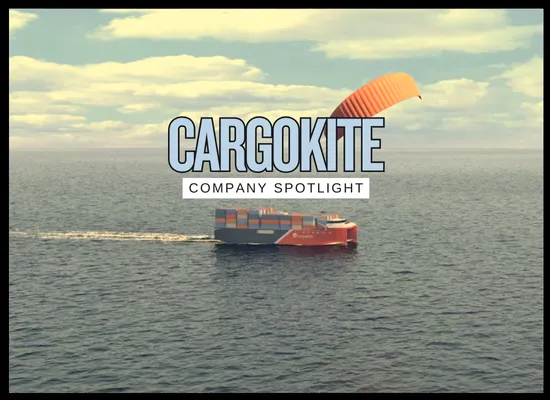
CargoKite is betting that the next big step-change in shipping will not come from a slightly better fuel, but from a different ship concept: smaller, wind-driven “micro-ships” that use large kites as primary propulsion, paired with automation to run predictable cargo loops with dramatically lower fuel burn. If you move feeder / shortsea-style cargo and care about emissions, fuel exposure, and schedule resilience, this is one of the more interesting “new hull class” plays to watch.
81929 München, Germany
- Breaking the fuel dependency loop: A wind-first propulsion concept can reduce exposure to bunker price shocks and help decouple voyage economics from fuel volatility on suitable routes.
- Lower-emission capacity without waiting for perfect fuel supply chains: If the main propulsion energy is wind, you are less dependent on new-fuel availability at every port, which matters in early decarb years.
- More flexible “right-sized” ocean freight: A smaller ship class is positioned for feeder and shortsea-style cargo patterns where frequency and routing flexibility matter as much as raw scale.
- Route planning that treats weather as a lever: Wind-driven concepts live or die by routing. When routing is integrated into the operating model, weather becomes a planning input rather than just a disruption.
- A clearer pathway to meet tightening carbon intensity expectations: For owners thinking about CII pressure and charterer scrutiny, a fundamentally lower-emission operating profile can improve commercial conversations.
- New service patterns for time-sensitive “in-between” cargo: Not everything needs a megaship schedule. A differentiated ship class can open niche services where reliability and frequency win business.
-
Partnership: Lomarlabs collaboration (micro-ships + kite propulsion + autonomy) LomarlabsLomarlabs announcement covering the collaboration agreement with CargoKite around a new micro-ship class using large kites and autonomous operation. Open the announcement.
-
Trade media pickup: partnership coverage + timeline notes MarineLinkMarineLink coverage of the Lomarlabs–CargoKite collaboration and the broader decarbonization framing. Open MarineLink.
-
Industry write-up: wind-assisted concept progression RivieraRiviera coverage highlighting the collaboration to advance wind-assisted kite propulsion and autonomous operations in a micro-ship concept. Open Riviera.
-
Mainstream tech coverage: “autonomous kite boats” explainer The Next WebThe Next Web overview explaining the CargoKite idea and why small, wind-driven vessels could change certain trade patterns. Open TNW.
-
Business / design angle: kite-powered shipping profile Fast CompanyFast Company profile describing the “micro ship + kite” approach and the strategic rationale for nimble, lower-emission freight. Open Fast Company.
-
Engineering ecosystem: simulation / digital engineering case study SiemensSiemens case study describing CargoKite’s engineering workflow and simulation setup as they develop a wind-powered shortsea / feeder concept. Open the case study.
-
Climate-tech portfolio listing and concept snapshot Third DerivativeThird Derivative portfolio page summarizing the CargoKite concept and the “small + autonomous + wind-powered” framing. Open Third Derivative.
• Keep fuel burn conservative. The goal is directional insight, not a marketing number.
• If your value is mostly “fuel cost,” the business case tracks bunker volatility.
• If your value is mostly “carbon cost,” the business case tracks policy and customer pressure.
CargoKite is best viewed as a “new service pattern” bet: smaller, wind-driven ships that aim to unlock different frequency, routing, and emissions economics than conventional feeder tonnage. If you’re evaluating it, the clean next step is to pick one corridor, define the cargo pattern (frequency, payload, ports), and pressure-test three things: schedule reliability under weather routing, total delivered cost versus your current feeder option, and how the emissions profile changes your commercial positioning with customers and regulators.
We welcome your feedback, suggestions, corrections, and ideas for enhancements. Please click here to get in touch.