Iran Pulls Commercial Shipping Into the Target Picture
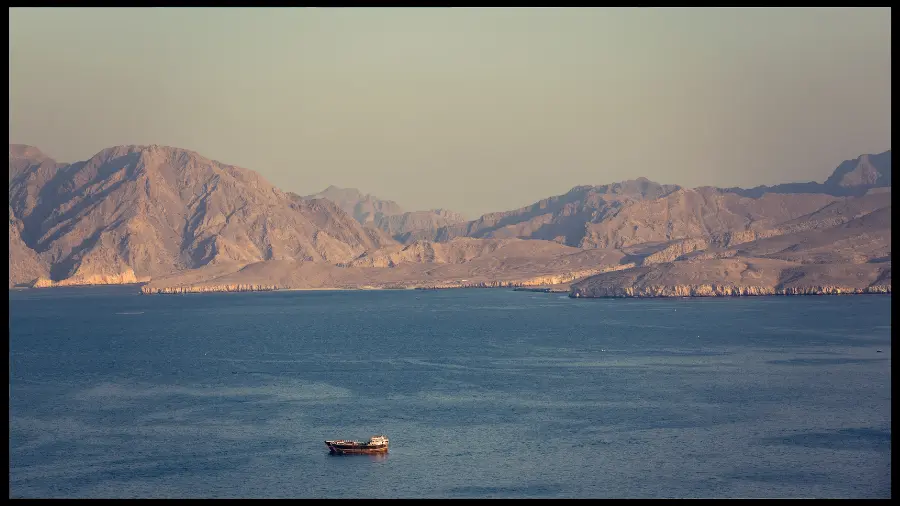
Iran has pushed the shipping risk conversation into the open: senior Iranian messaging now frames U.S. ships and shipping-linked nodes as potential targets if Washington launches a military attack, widening the perceived exposure from “military retaliation” to the commercial maritime layer that moves energy and cargo. Even without a kinetic event, language like this typically tightens how quickly underwriters quote, how conservative routing guidance becomes, and how much documentation chartering teams demand before confirming a voyage.
Click here for 30 second summary
Iran’s shipping risk in one read
Iranian leadership messaging warns that if the U.S. attacks, retaliation would not be limited to military sites. The language explicitly pulls “shipping” and maritime-linked infrastructure into the stated target set. Even without an incident, that kind of statement can reprice the region through insurance and commercial friction.
-
First visible effect
War-risk and security review cycles tighten, with more questions and shorter quote windows. -
How costs show up
Time becomes expensive: delays, holds for approval, and routing conservatism can add to the voyage bill as much as premiums. -
Spillover pattern
Screening widens to linked counterparties and adjacent routes, reducing optionality for fixtures near the confrontation footprint.
The key shipping impact is regional repricing driven by process friction and risk posture, not a single chokepoint headline.
| Attention | What is being Reported | Changes at the shipping desk | Cost Impact |
|---|---|---|---|
| Target set expands | Messaging frames U.S. ships and shipping-linked nodes, plus commercial shipping and maritime infrastructure, as potential targets in a strike scenario. | Risk teams shift from “theoretical” to “document and defend routing,” with higher sensitivity to any linkage to U.S. or allied naval presence. | War-risk quote cycles shorten and buffers rise, lifting all-in voyage cost even before any incident. |
| Trigger condition | Conditional threat tied to a U.S. military attack against Iran, rather than a day-to-day escalation announcement. | Counterparties ask “what would change tomorrow” and start scenario-planning for rapid guidance updates. | The market price effect often comes through optionality loss: fewer acceptable routes, fewer acceptable ports, fewer acceptable counterparties. |
| Geography of concern | Not limited to a single chokepoint in the wording; the signal is “regional maritime layer” exposure in the confrontation footprint. | Routing and port-call choices get more conservative, especially around sensitive terminals and military-adjacent waters. | Higher probability of diversion and delay becomes priced as time, not just a premium line item. |
| Insurance posture | Escalatory language is a common catalyst for insurers to request more voyage detail and tighten quote validity windows. | More questions on ports, timings, AIS discipline, and contingency planning, with faster escalation to senior approval. | Premiums, deductibles, and exclusions can re-rate quickly, and even “no change” outcomes take longer to obtain. |
| Chartering friction | Charterers and owners become more cautious about exposure narratives and “who bears delay and deviation” under stress scenarios. | Negotiations tighten around off-hire, deviations, termination rights, and clarity on security instructions. | Commercial impact emerges as slower fixture velocity and higher demurrage or missed-window risk. |
| Operational discipline | When threat language broadens, operators tend to lift watch routines, reporting cadence, and contingency readiness. | Higher admin load for masters and ops teams, plus higher threshold for accepting last-minute voyage changes. | Added cost appears as longer port time, extra standby, and reduced scheduling efficiency across a fleet. |
| Second-order spread | Once a threat is framed around “shipping” broadly, screening teams often widen review scope beyond the single headline scenario. | More voyages get flagged for extra checks, including “nearby” trades and linked counterparties. | Friction spreads as a time tax across multiple voyages, tightening effective supply without changing fleet count. |
When “shipping centers” enter the language, friction spreads beyond one voyage
The practical impact is usually not a single new fee. It is the compounding effect of tighter quoting windows, more questions per fixture, and a higher probability of delay or rerouting costs in a region that supports major energy and cargo flows.
Escalatory political language can move markets before any incident because it changes underwriting posture and commercial decision velocity. The first visible shift is often time: slower approvals, shorter quote validity, and broader screening scope.
Friction points illustrated as intensity, not prediction
These bars show where the market typically reacts first when political language expands the perceived target set. They are a visualization of process friction, not a forecast of an incident.
War-risk premium cost
$0
Delay time cost
$0
Demurrage portion
$0
Combined voyage add-on
$0
We welcome your feedback, suggestions, corrections, and ideas for enhancements. Please click here to get in touch.