Denmark detains Iran linked boxship Nora amid registration doubts
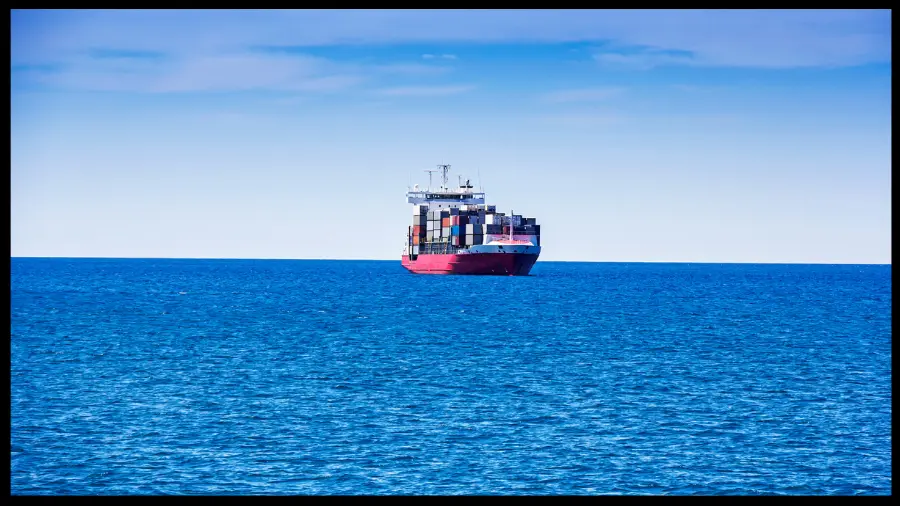
A detained container ship off northern Jutland is turning into a clean case study of how “paper risk” becomes operational risk. Denmark’s maritime authority held the vessel after the flag it declared could not verify it in the registry, triggering a process to confirm lawful registration before onward movement and clearance.
Subscribe to the Ship Universe Weekly Newsletter
Click here for 30 second summary
Denmark detention in one read
Denmark detained a container ship reported as “Nora” after the ship’s declared flag state indicated the vessel was not on its registry. The ship remains held while lawful registration is clarified and inspection clearance steps are satisfied.
- Detention trigger
A registry mismatch was reported as the reason the vessel was held. - Identity sensitivity
Industry reporting links the ship to sanctions related scrutiny and an identity trail that elevates documentation checking. - Practical effect
The release gate is proof of registration, then clearance, which can add delay and re-approval cycles for counterparties.
| Reader shortcut | Detention trigger | Identity and flag trail | Authority pathway | What it changes in practice |
|---|---|---|---|---|
| Registry mismatch |
The vessel was held after the declared flag state advised it was not found on that registry.
This converts into a documentation and status problem, not a seamanship problem.
|
The ship is widely reported as operating under the name “Nora” and later flying an Iranian flag after earlier flag representations. | Confirm lawful registration first, then clear any required port state and certification checks before departure. | Delays can occur even at anchor because paperwork validation becomes the gating item for onward movement. |
| Sanctions linkage | The ship is described as being on U.S. sanctions lists tied to Iran linked networks. | Prior identity references include “Cerus” in multiple industry reports, with later name and flag representations discussed publicly. | A detention tied to registration questions also forces a deeper “who owns or controls what” scrutiny cycle. | Counterparties tend to pause until identity, control, and compliance status are cleanly documented. |
| Port state control angle | Denmark indicated inspection steps would be performed as part of allowing the ship to proceed. | When a vessel’s identity chain is contested, certificates and vessel history tend to be rechecked more aggressively. | The vessel remains held while the registration question is resolved and inspection requirements are satisfied. | Even if safety findings are limited, the release trigger is still documentation and status proof. |
| Location matters | The detention was reported while the ship was anchored off northern Denmark near Ålbæk. | Anchored status reduces immediate navigation risk but increases exposure to administrative holds and boarding style checks. | Authorities can hold, question, and validate without the ship being alongside a terminal. | This is the pattern that creates schedule unreliability for higher risk voyages even without port congestion. |
| Behavior signal | A “stateless or mis-flagged” question is a bright line issue that regulators treat differently than routine compliance gaps. | Rapid changes in name, flag claims, or registry representations are the specific pattern that tends to trigger escalation. | The process becomes: verify flag, validate papers, then decide whether movement is permitted. | This is an execution risk amplifier for any voyage that relies on low scrutiny routing assumptions. |
Denmark’s detention of the container ship reported as “Nora” follows a registry verification breakdown: the flag represented to authorities reportedly could not confirm the vessel in its registry, prompting detention until lawful registration is established and clearance steps are satisfied.
We welcome your feedback, suggestions, corrections, and ideas for enhancements. Please click here to get in touch.